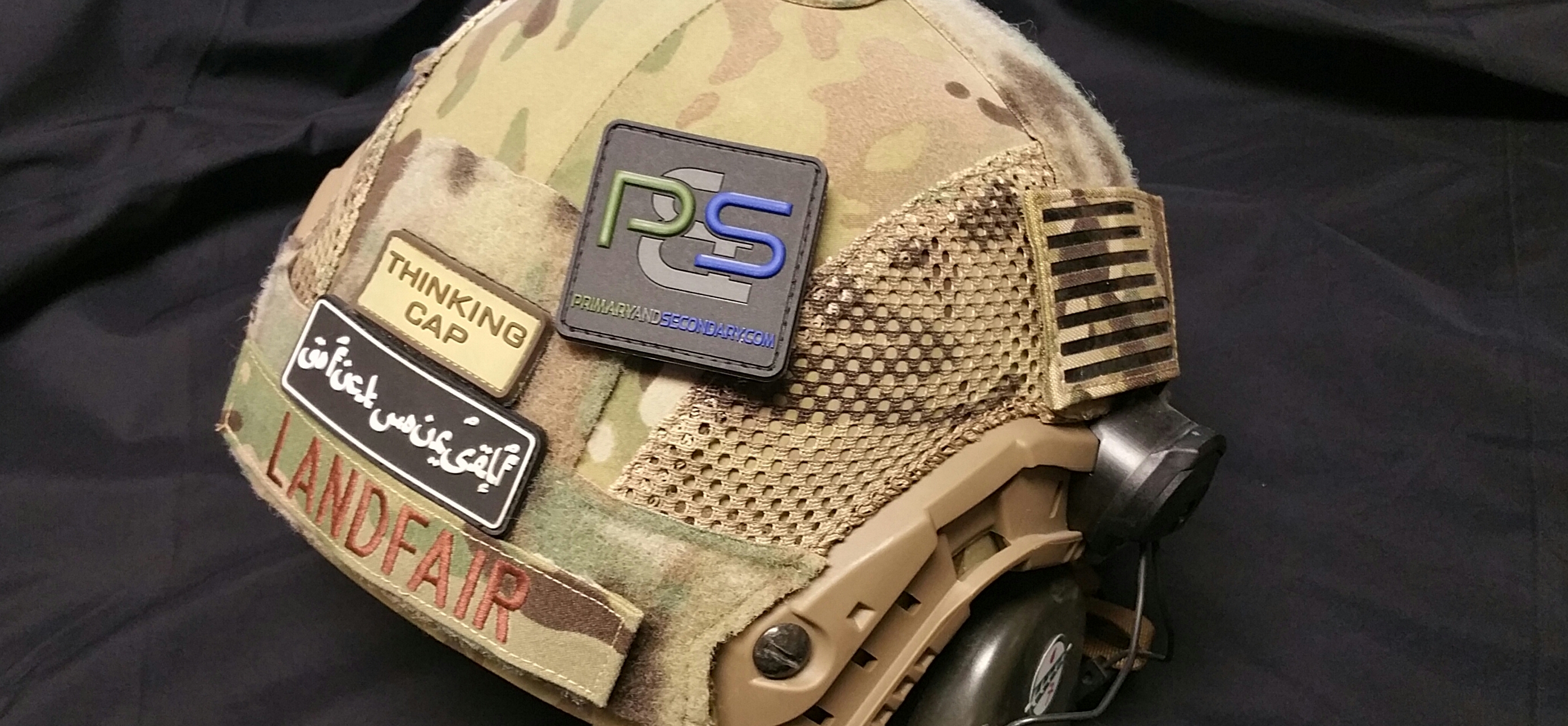
Ballistic Helmets, Construction, Testing, and Ratings

So, after one of my gear reviews, I received so much feedback, I decided to clarify/expound. It seems most end users are merely consumers. They want to give you their want as they see it, and they expect you to point their nose at an easily affordable product without any real regard to their needs. … Read more

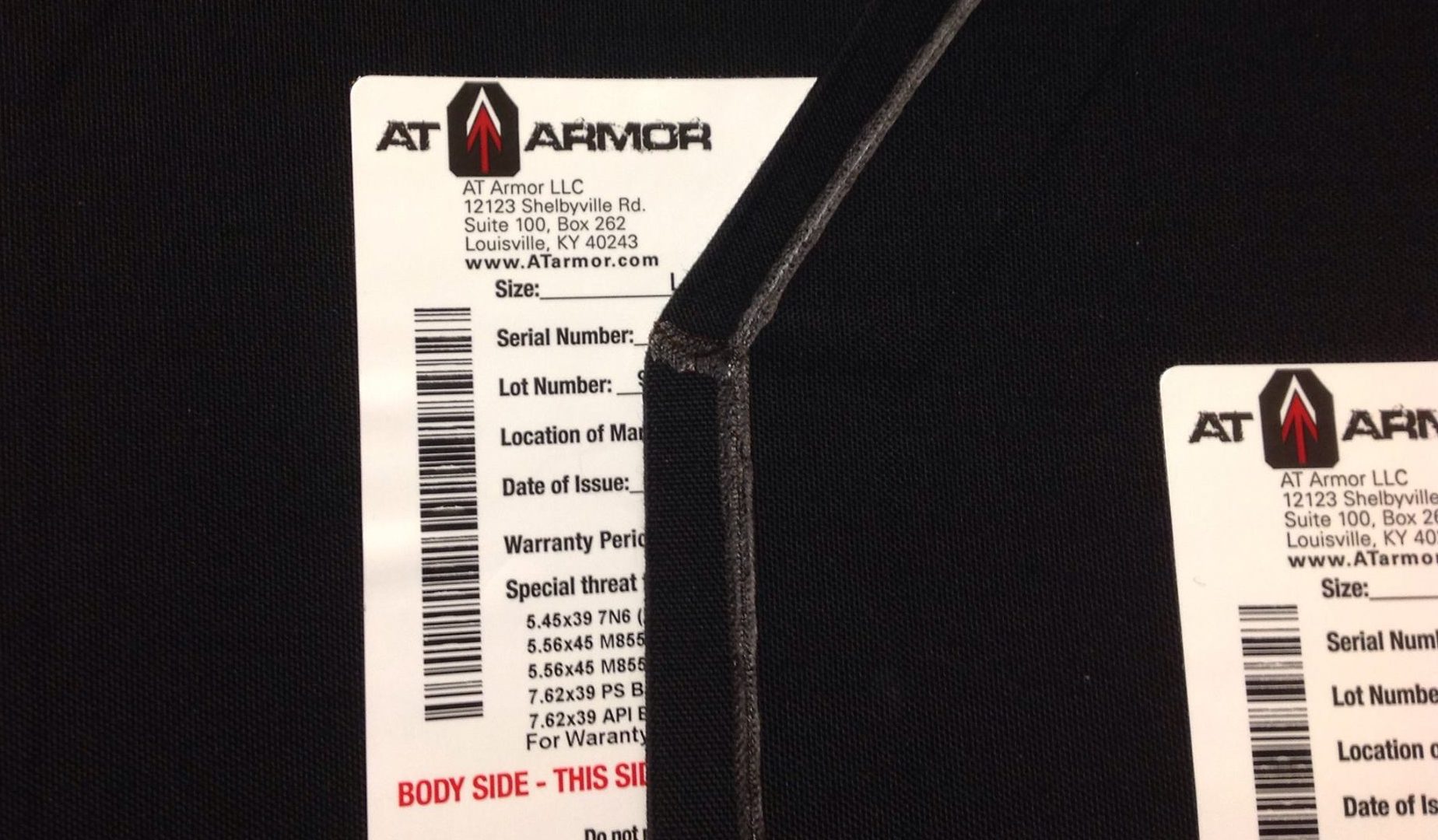
Choosing a Protection Level for Rifle Plates

Armor 101… I tell customers that armor is one of the most confusing commodities in the defensive industry. Understanding the rating systems, the materials, and the capabilities associated with each is a must for one to make an educated armor choice. When selecting armor, start with the most likely threat that you may face (be … Read more

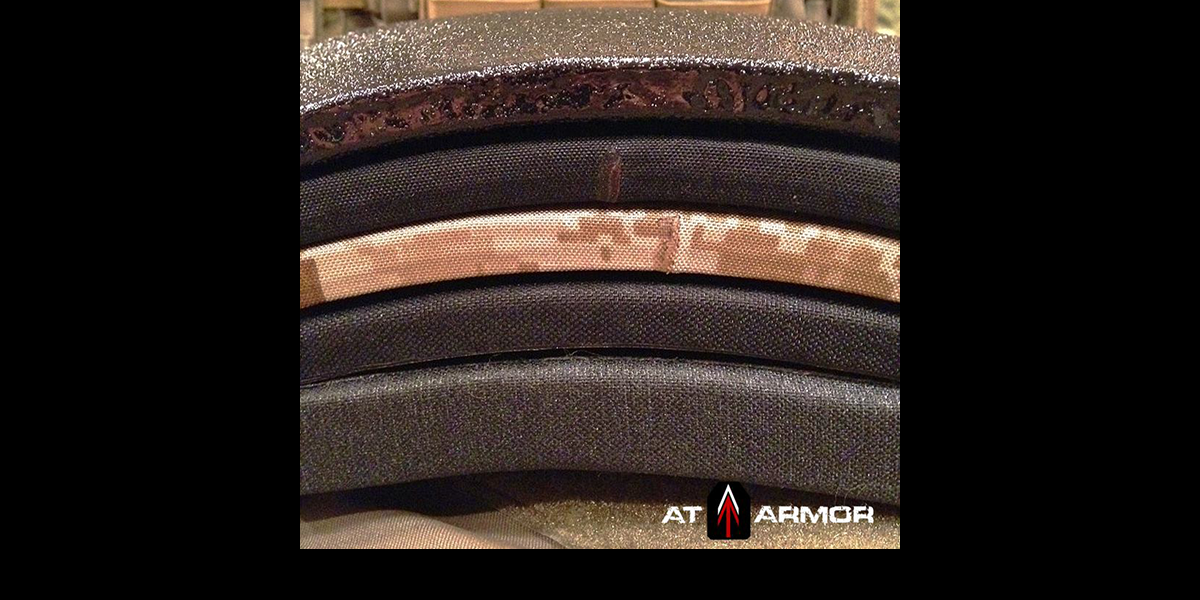
Materials Used in Hard Armor

*Editor’s note: NiJ ratings do not consider 5.56 in classifications. If something is rated level III it will stop .308 but not necessarily 5.56/.223. Currently there are four common options for Level III plates:  5-6 mm steel (AR500/R50c/AR46100) plates: Level III steel plates offer a very thin profile, but are a bit heavier (6.5-7.5 lbs … Read more

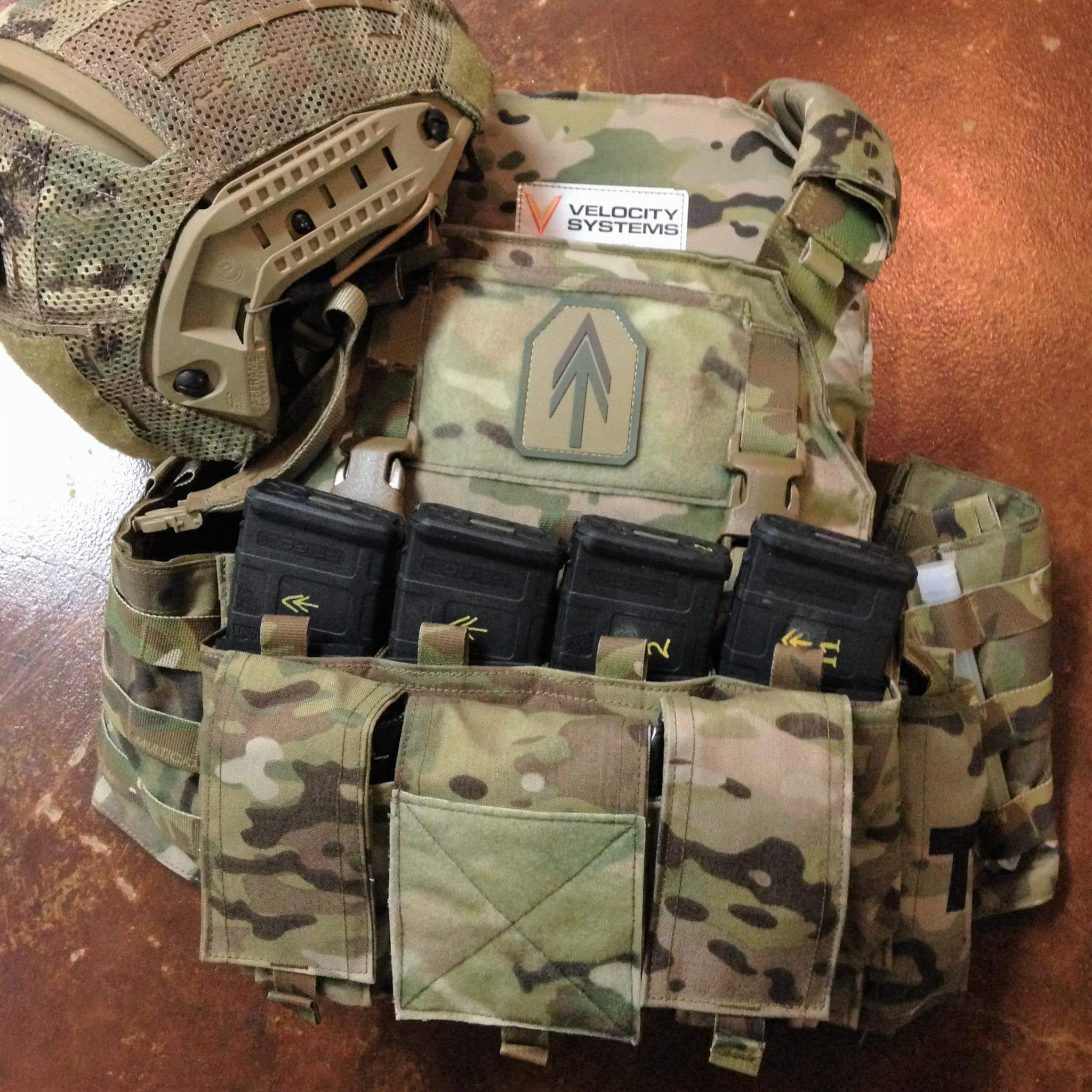
Battlesight Zero

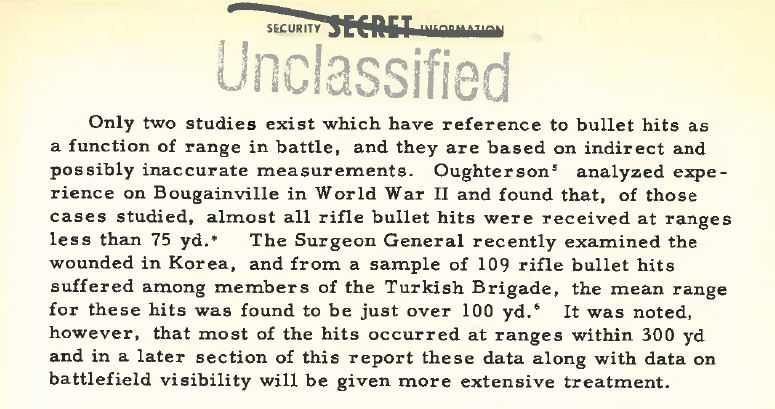
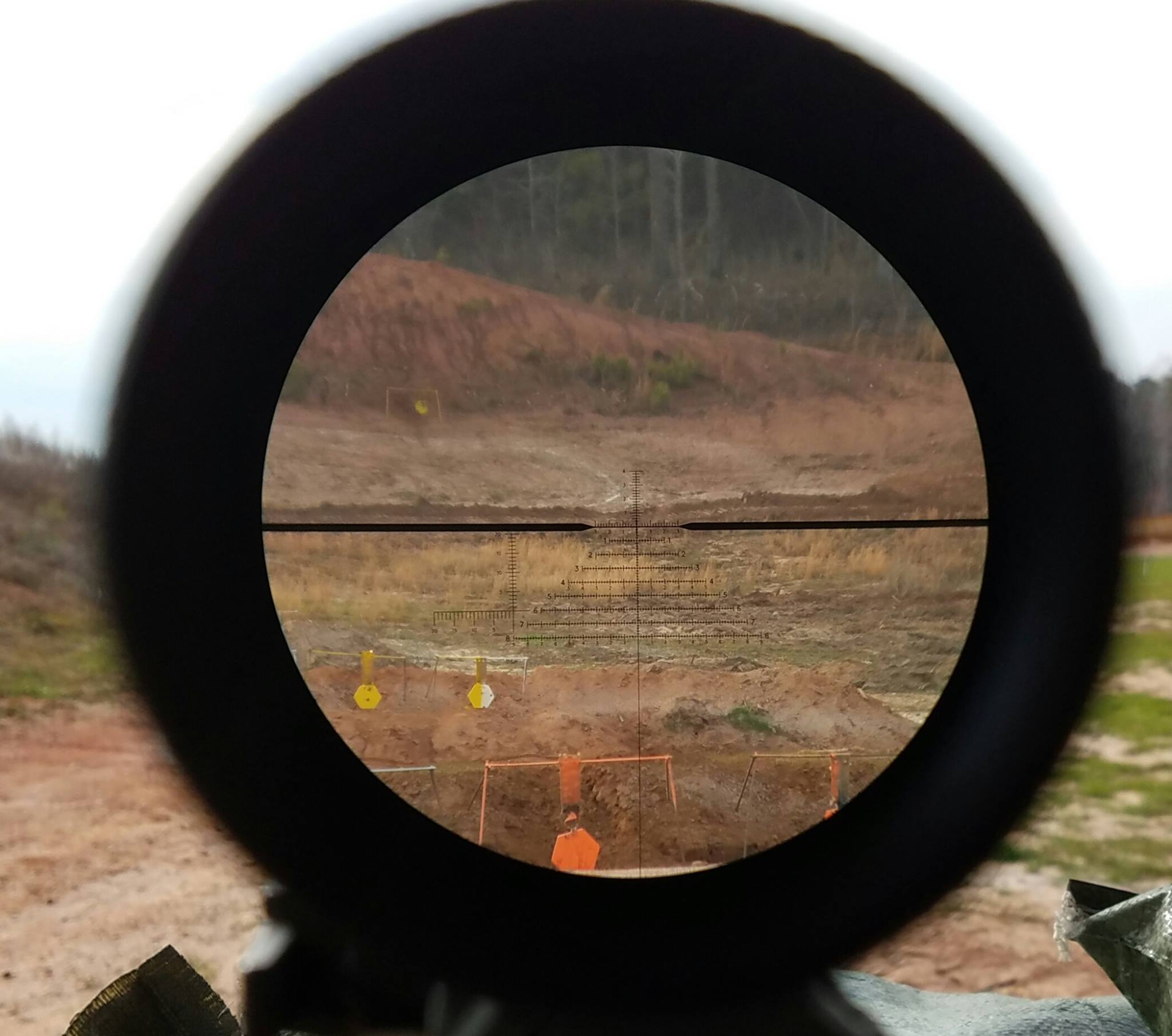
Those who carry guns for a living know the world isn’t a nicely manicured flat range and threats will present at differing distances. You won’t have an opportunity to dial in your DOPE to take the shot when you need to. To counter this, anyone not using an optic equipped with a bullet drop compensator … Read more

Sucked Down the Tube: A Failure in Training

Much, if not all training and practice is conducted on flat ranges under calm conditions with no surprises. We shoot steel and paper that we purposely place and identify. We have lanes and all sorts of safety considerations that make a day at the range a pleasant experience.  This is fine for most of us but can lead to some critical failures if you are in a line of work that may not look the same as the flat range.  For those that form either the thin Blue or Green Lines targets will probably appear in from unknown positions and ranges. Many people preach situational awareness but fail to account for it in our training. COL Boyd gave us the OODA loop, which on the surface, is a rapidly trainable flow of Observe, Orient, Decide and Act. It is a loop because as soon as you act you start over.

Read more