P&S ModCast 459 — Deciphering Armor Standards
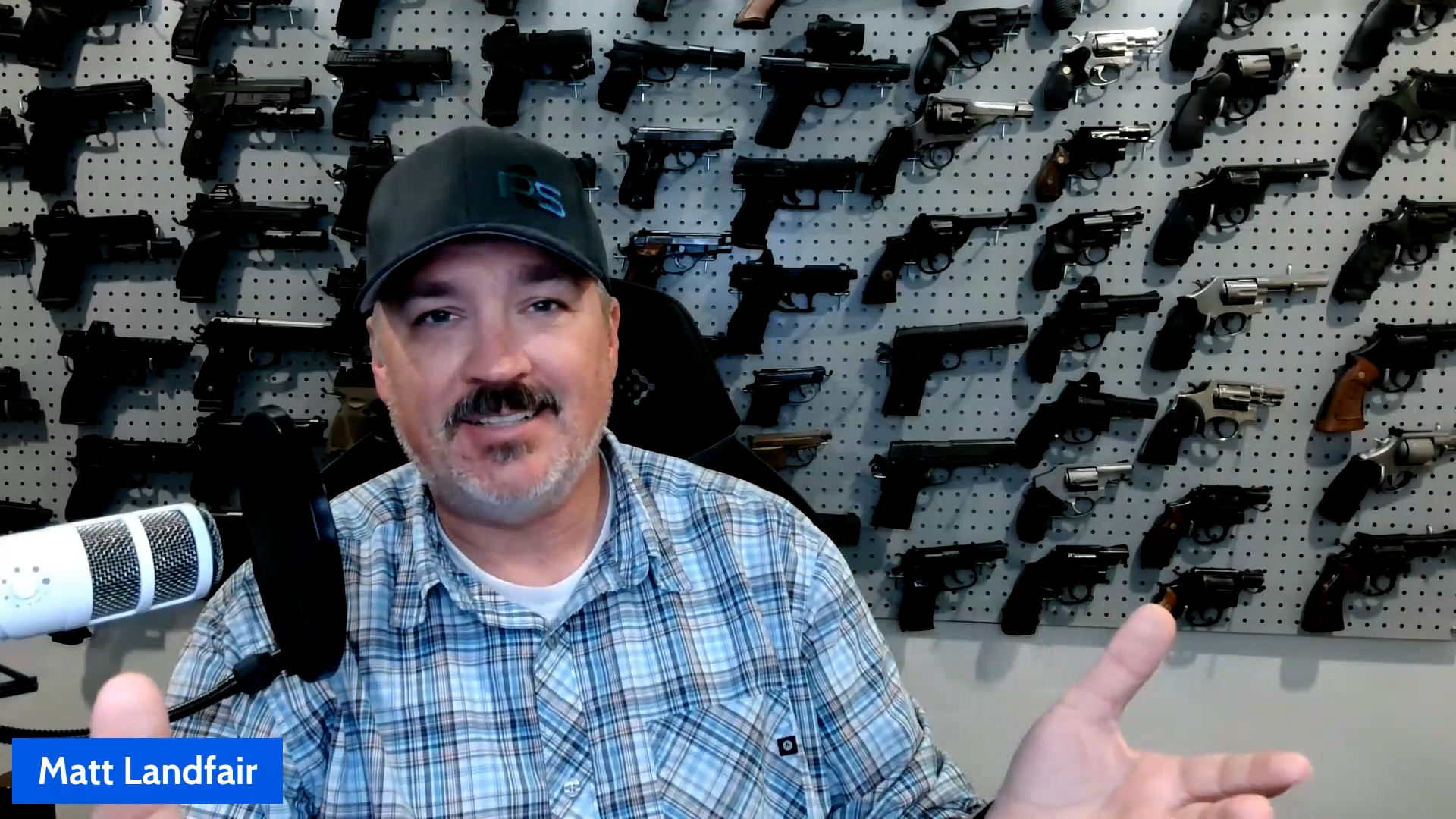
Matt Landfair explains body-armor standards, including NIJ 0101.06 and 0101.07, armor ratings, testing, and practical factors in selection.
Pro Guns, Gear, Tactics, Training, Mindset, & Discussion

Evidence-based articles and podcast episodes on body armor, ballistic helmets, armor materials, testing standards, threat assessment, coverage, fit, and protective-equipment selection.
Matt Landfair explains body-armor standards, including NIJ 0101.06 and 0101.07, armor ratings, testing, and practical factors in selection.
Doug Deaton, Chuck Haggard, and Matt Landfair discuss informal leadership, professional influence, credibility, and leading without formal authority.
Matt Landfair, Brass Facts, Focus Tripp, and Hop discuss shilling, disclosure, credibility, and trust in firearms media.
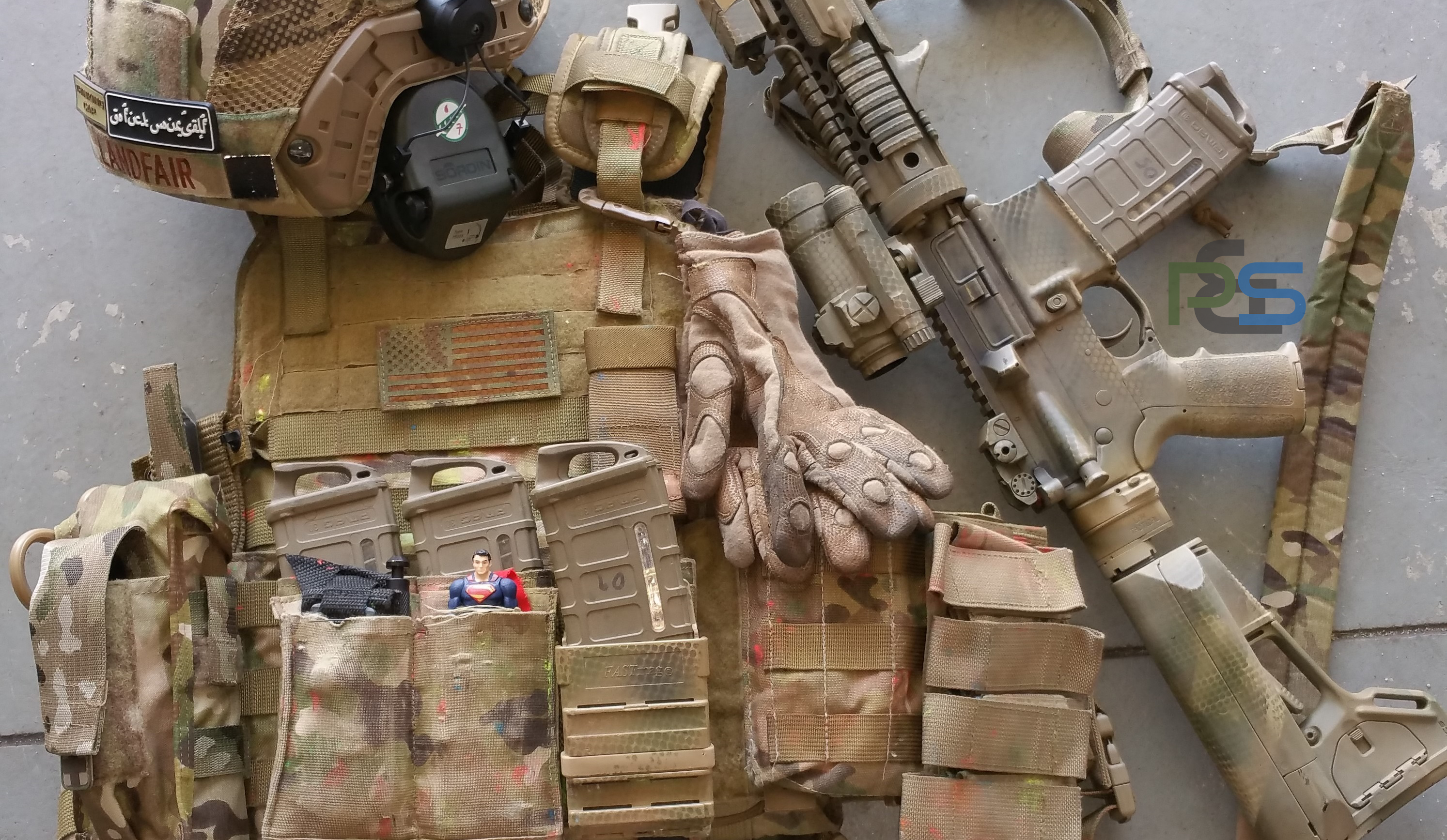
The following will upset some who have not thought things through. The goal is to be smart about buying stuff and integrate with your system and mindset. If you have armor but have not trained with it, how will you perform while wearing it? How do you know how the armor affects or hinders your … Read more
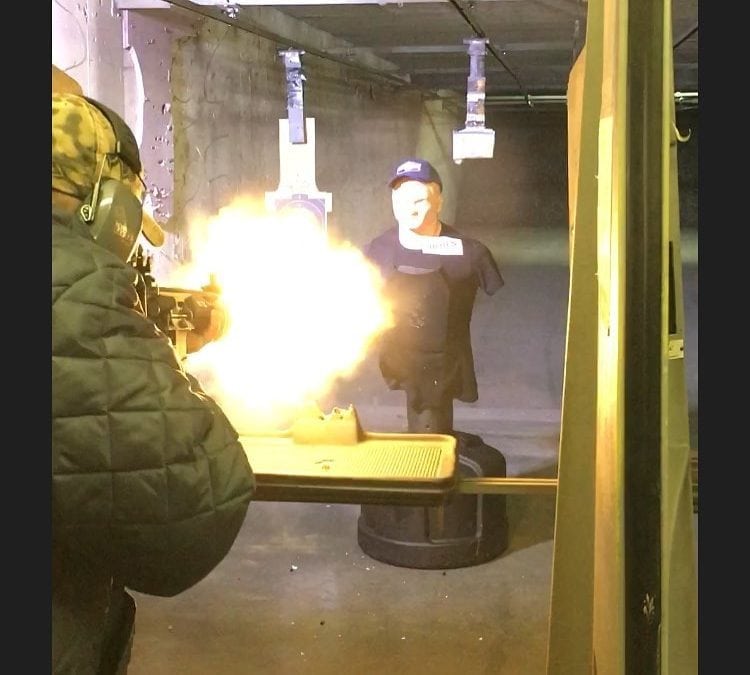
We will now continue our discussion on Body Armor from an earlier article. Specifically, we addressed some common terms that are used in ballistic testing of body armor: V0, V50, and Back Face Signature (BFS for short). The purpose behind this was to inform our discussion for this week’s topic: Why body armor test protocols have been established, and why … Read more
Last week, we discussed that if we need to purchase armor, we need to start with the ‘why’ behind that armor’s need. This week, we are going to continue that discussion by addressing how armor defeats a threat, how it is classified by the National Institute of Justice, and what it does and does not do … Read more
Note: This is the first in a series of articles I will be writing on body armor and helmets. This article is geared toward the Law Enforcement community. However, the same principles apply for any organization that requires body armor as a part of their job description. 25 years ago this month, Rangers from Bravo … Read more
So, after one of my gear reviews, I received so much feedback, I decided to clarify/expound. It seems most end users are merely consumers. They want to give you their want as they see it, and they expect you to point their nose at an easily affordable product without any real regard to their needs. … Read more
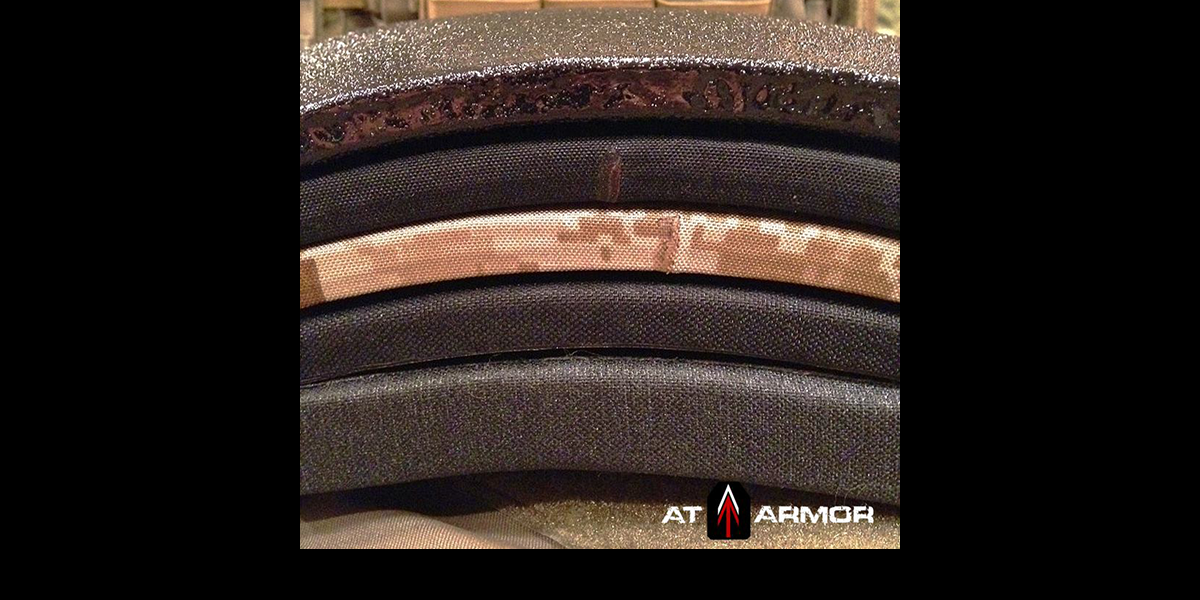
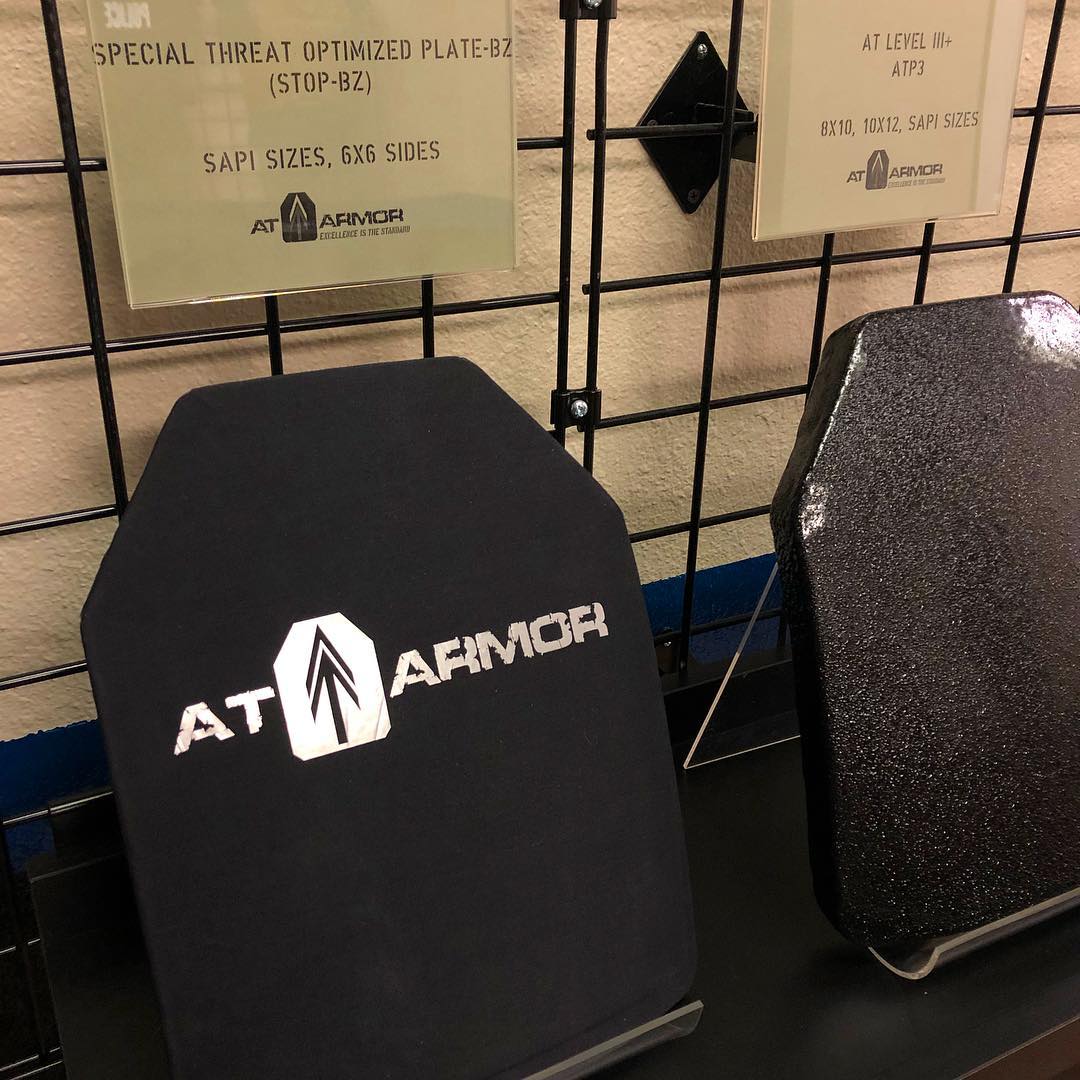
*Editor’s note: NiJ ratings do not consider 5.56 in classifications. If something is rated level III it will stop .308 but not necessarily 5.56/.223. Currently there are four common options for Level III plates: 5-6 mm steel (AR500/R50c/AR46100) plates: Level III steel plates offer a very thin profile, but are a bit heavier (6.5-7.5 lbs … Read more