
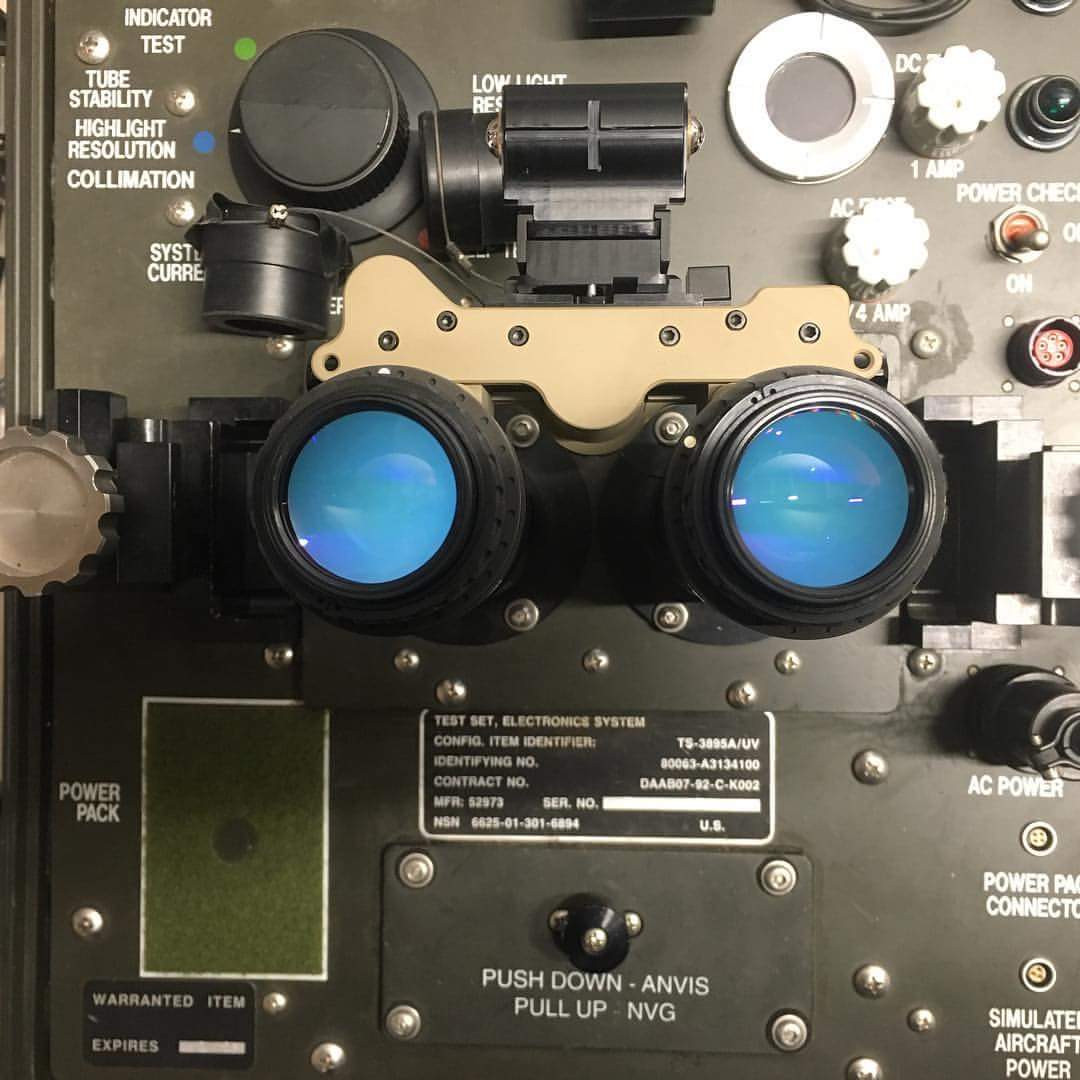
Night-vision and thermal equipment can be expensive, technically complex, and difficult for a new buyer to verify. Before sending money, identify the seller, builder, components, specifications, warranty, and return process.
Know who is involved
Determine whether the person taking payment is the manufacturer, an authorized dealer, a system assembler, a broker, or a private seller. Ask who will be responsible if the equipment arrives damaged, differs from the listing, or fails inspection.
Verify the system, not just the housing
A familiar housing does not establish what image intensifier, thermal core, optics, seals, hardware, or electronics are inside it. Request documentation appropriate to the equipment, which may include:
- manufacturer and model;
- serial numbers where lawfully transferable;
- tube or core specification and data sheet;
- condition and hours of use, when available;
- photos through the device and of identifying markings;
- assembly, purge, collimation, and test information;
- included accessories and missing components; and
- export, transfer, or end-use restrictions.
Understand warranty and returns
Get the terms in writing. Confirm who pays shipping, whether opening or inspecting the unit affects coverage, what constitutes an acceptable blemish or performance variance, and whether the seller offers a meaningful inspection period.
Watch for red flags
The original article followed an inspection of goggles sold as new and represented as containing L3 white-phosphor filmless tubes. The unit reportedly contained used components, missing seals, poor workmanship, weak performance, and Russian Gen 2 white-phosphor tubes instead.
Warning signs include a price far below comparable systems, refusal to provide documentation, inconsistent descriptions, stock photos instead of the actual device, pressure to use irreversible payment, altered serial markings, and specifications that do not match the observed image.
Use independent inspection
For a high-value purchase, an inspection by a reputable technician can confirm component identity, workmanship, sealing, optical alignment, performance, and obvious damage. Arrange the inspection and return terms before the sale whenever possible.
Buy the seller as carefully as the equipment. Provenance, documentation, transparent specifications, and enforceable support matter as much as the headline performance numbers.