
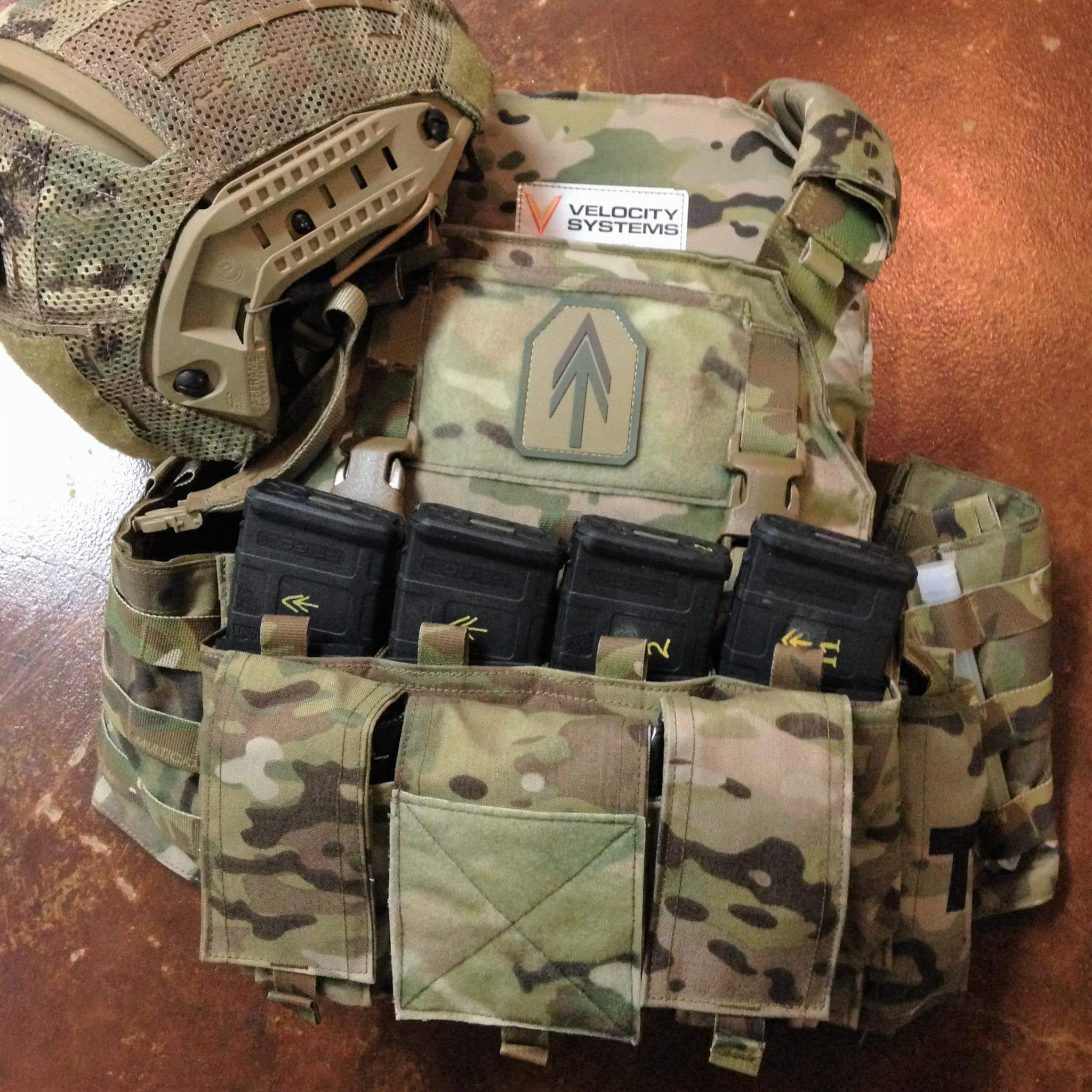
This article began with a question Kyle Defoor posed in a Primary & Secondary interview: “Tell me about your rifle.” A related question applies to a handgun: what history supports your confidence in it?
Critical equipment should earn trust through inspection, maintenance, testing, and competent use—not reputation or price alone.
Define the consequence of failure
Start with the equipment whose failure could make the firearm unavailable, unsafe, or inaccurate when needed. That includes the firearm, magazines, ammunition, sighting system, mount, holster or sling, illumination, and any medical equipment carried for foreseeable emergencies.
Ask specific questions:
- Does the handgun remain retained and in the expected position during normal movement?
- Does the holster protect the trigger and stay attached during access?
- Has the firearm functioned with the intended magazines and ammunition?
- Is the zero confirmed, and are optic fasteners and witness marks stable?
- Are batteries, springs, and wear components within a sensible service interval?
- Can the user recognize and address a failure?
Maintain the boring equipment
Replacement springs, magazines, batteries, mounting hardware, torque tools, cleaning supplies, medical consumables, and spare small parts rarely attract the attention of a new accessory. They often contribute more to readiness.
Document round count and maintenance where it helps. Inspect known wear points, replace damaged components, and confirm function after service. Avoid replacing parts merely by superstition, but do not wait for a predictable failure when manufacturer guidance or observed wear supports preventive replacement.
Confidence improves diagnosis
A confirmed zero makes a training miss easier to analyze. A known-good magazine helps isolate a feeding problem. A stable holster and belt remove unnecessary variation from the draw. Confidence should come from reducing unknowns, not assuming failure is impossible.
Training remains part of the system
Reliable equipment cannot compensate for unsafe or inconsistent handling. Practice access, manipulation, accuracy, and decision-making with measurable standards. Confirm performance from realistic clothing, positions, and environmental conditions.
The goal is not absolute certainty. It is a documented basis for trust and a plan for the failures that remain possible. Spend first on the equipment, maintenance, and training that protect essential function; add optional accessories afterward.