P&S ModCast 71 — Raising Standards: Training, Equipment, and Critical Thinking
Recorded August 18, 2016, P&S ModCast 71 examines training standards, instructor credibility, low-light equipment, optics, slings, and the history of PSAL.
Pro Guns, Gear, Tactics, Training, Mindset, & Discussion

Firearms, tactical, defensive, law-enforcement, and professional training articles focused on developing adaptable skills, sound judgment, and practical competence.
Recorded August 18, 2016, P&S ModCast 71 examines training standards, instructor credibility, low-light equipment, optics, slings, and the history of PSAL.

Alliance Police Training, the first Friends of Pat weekend, and Pat Rogers’ legacy of mentorship, practical instruction, and a welcoming training community.

An archival P&S conversation about network support, documenting training, evaluating advice, and building a community whose members think for themselves.
The P&S panel discusses choosing firearms training, vetting instructors, writing useful AARs, building fundamentals, pistol mechanics, and honest disagreement.
Aaron Cowan joins the P&S panel to discuss pistol red dots, defensive training, shooting performance, competition, and building better training programs.
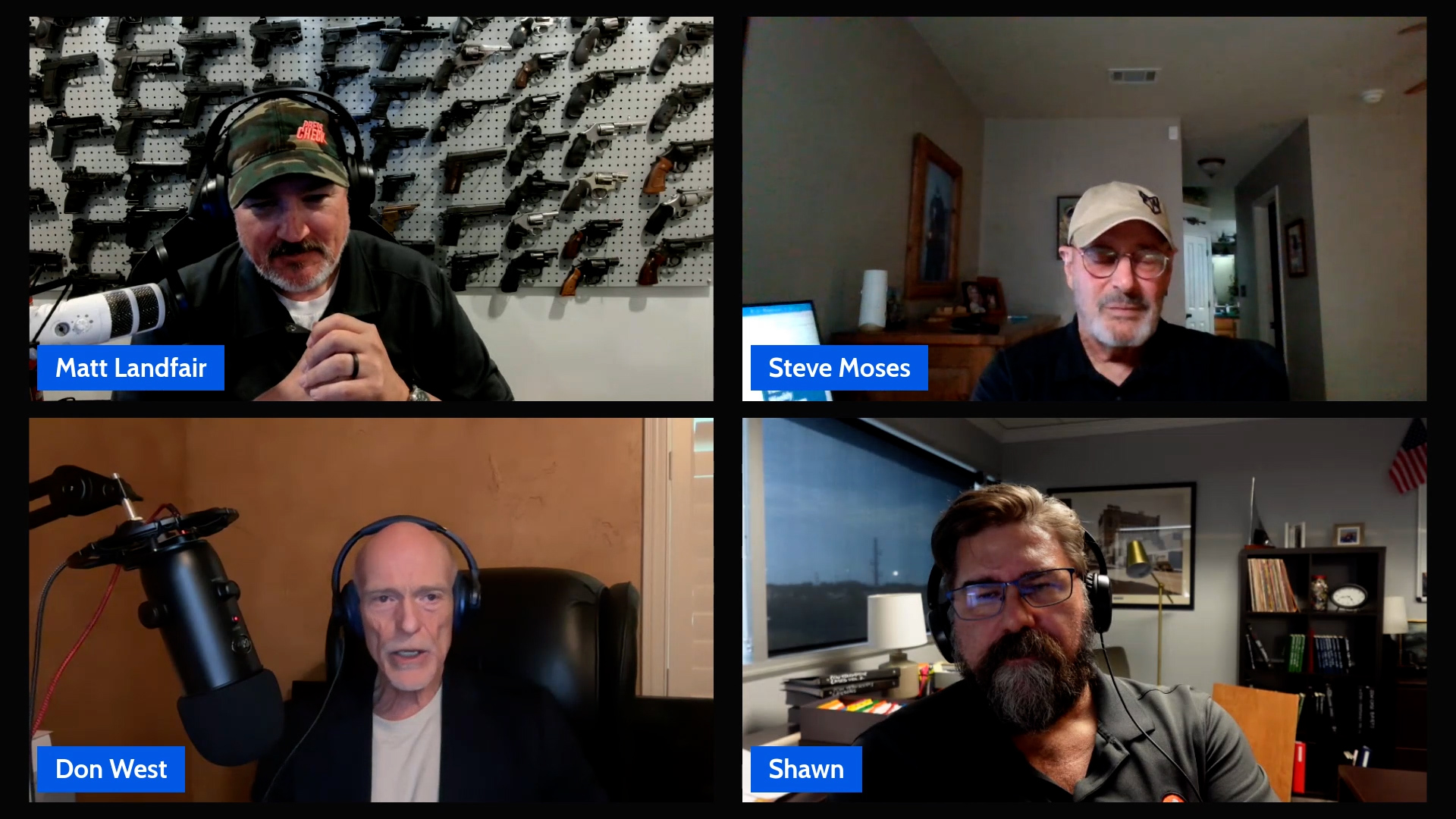
Matt Landfair, Steve Moses, Shawn Vincent, and Don West examine defensive firearm displays, real-world cases, gun handling, and legal consequences.
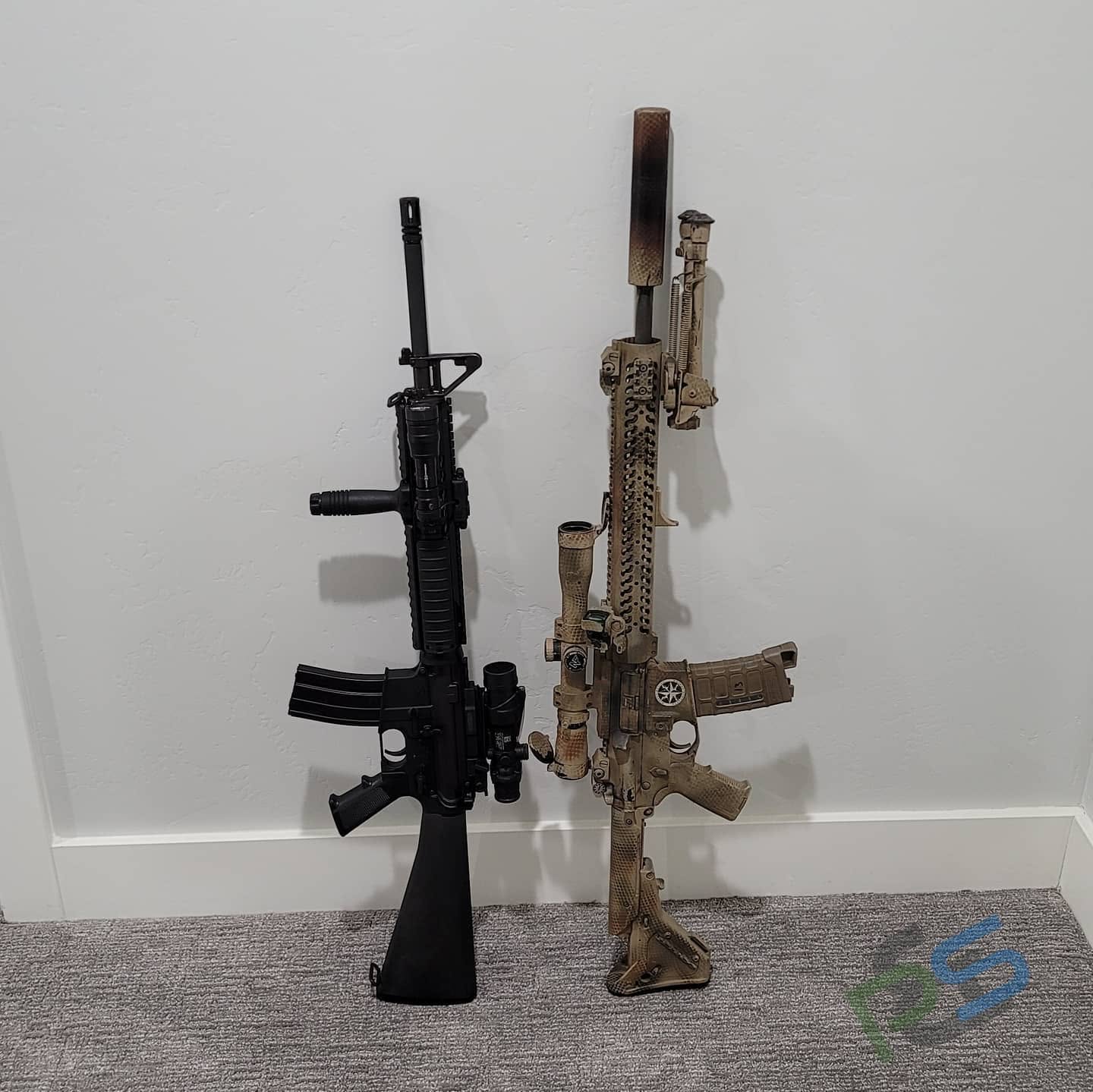
Long rifles carry real tradeoffs indoors, but technique and firsthand testing matter more than internet absolutes.

Church security involves much more than preparing for an armed attacker. ModCast 465 examines risk assessment, medical response, team selection, training, childcare, liability, and the role of safety as a ministry.
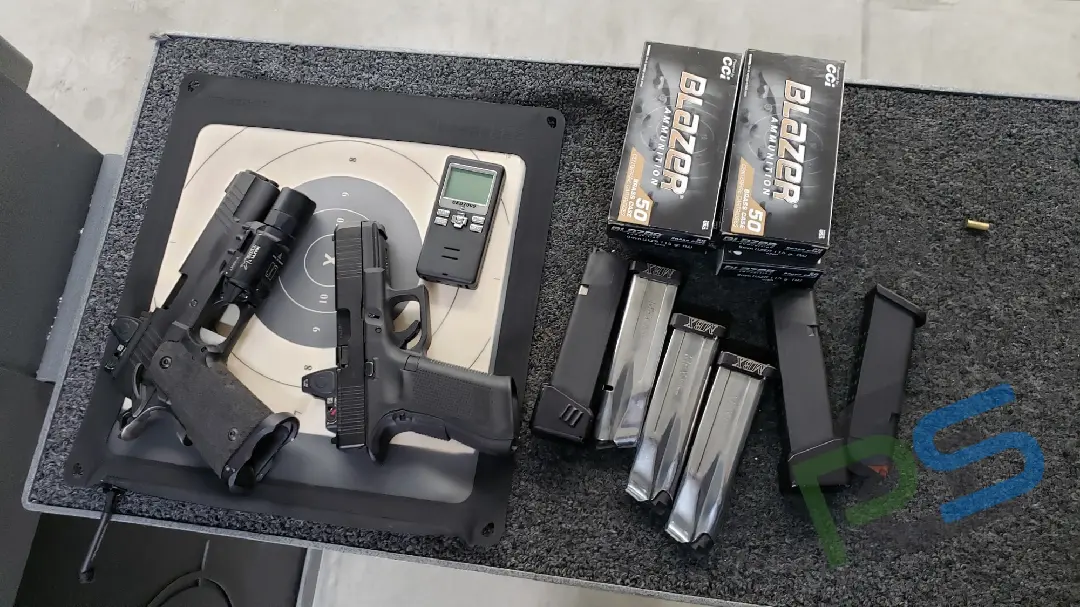
Preparation cannot guarantee a defensive outcome, but training, practiced skills, sound judgment, and proven equipment can improve your available options.
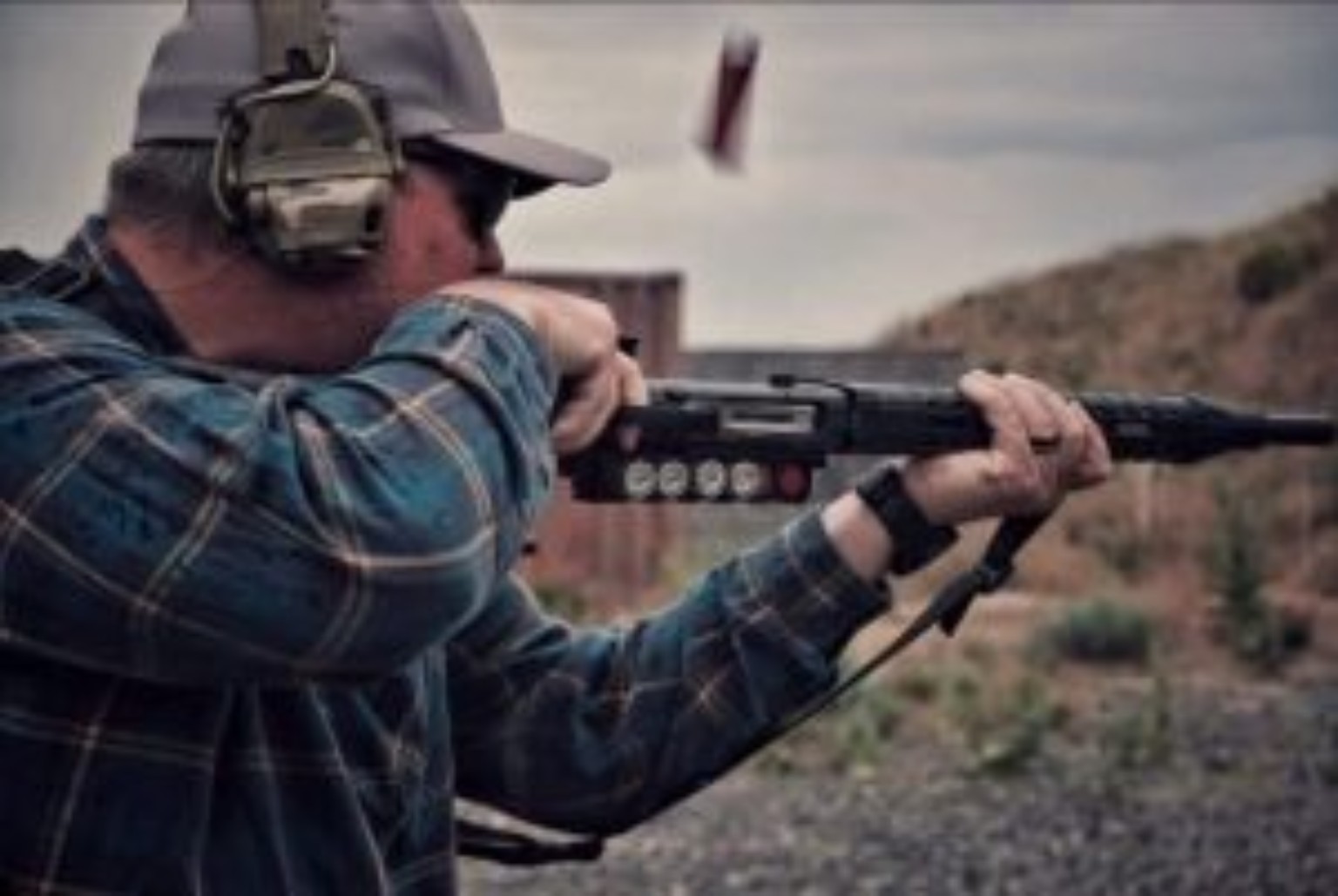
Repeated actions without knowledgeable critique are merely repeated actions. That isn’t training. Do something enough times and you may smooth out the rough spots, increase your speed, and become more efficient. But what if the action itself is incorrect? Greater efficiency does not make a flawed technique more effective. It only makes that technique more … Read more