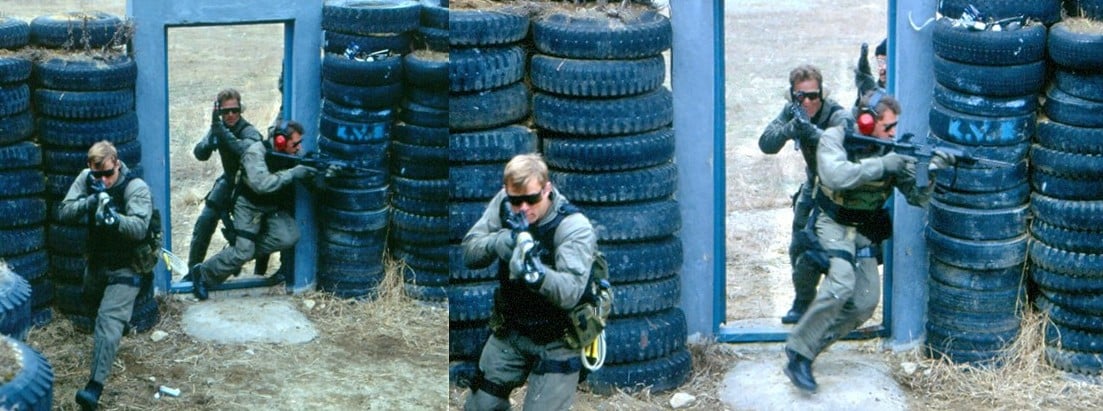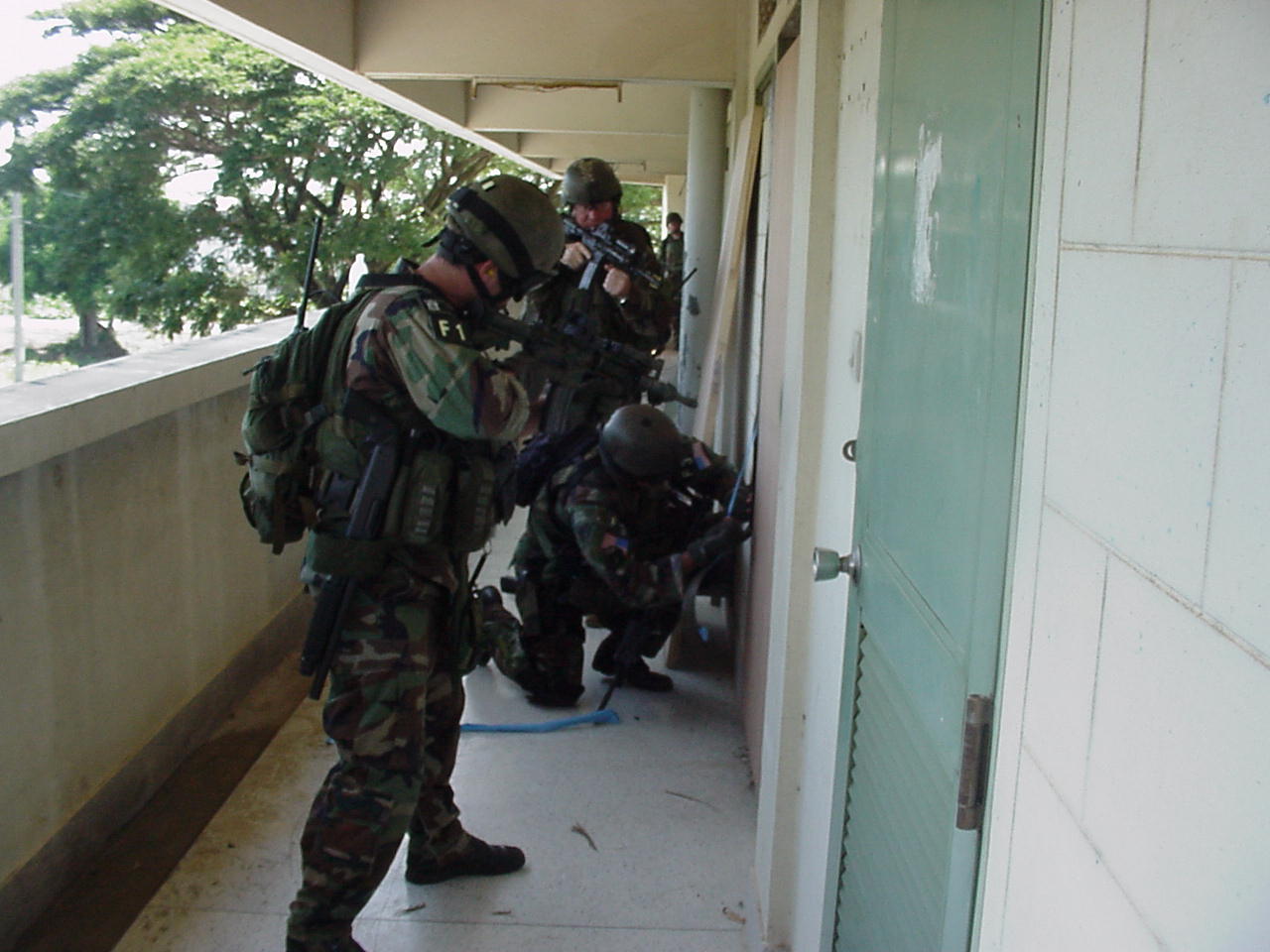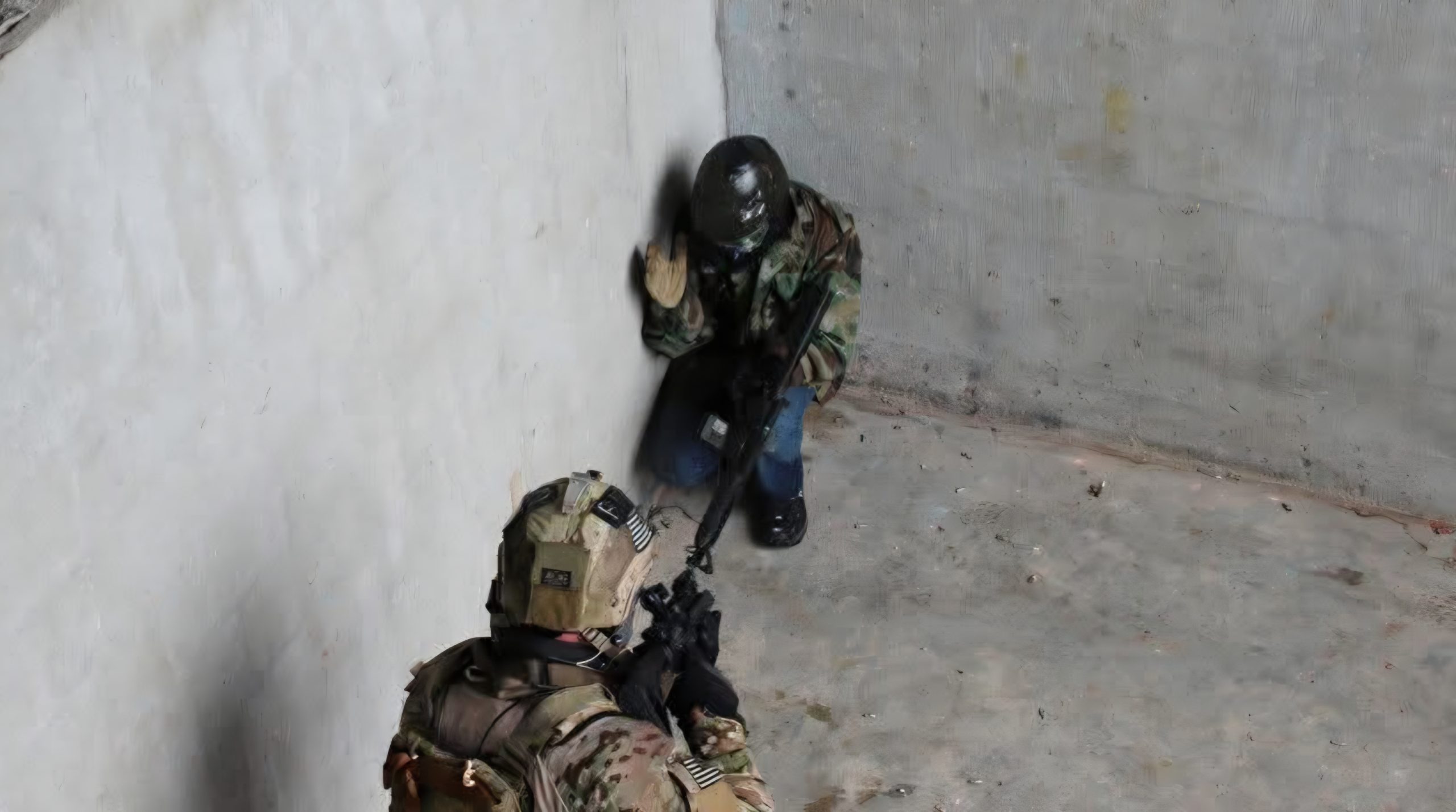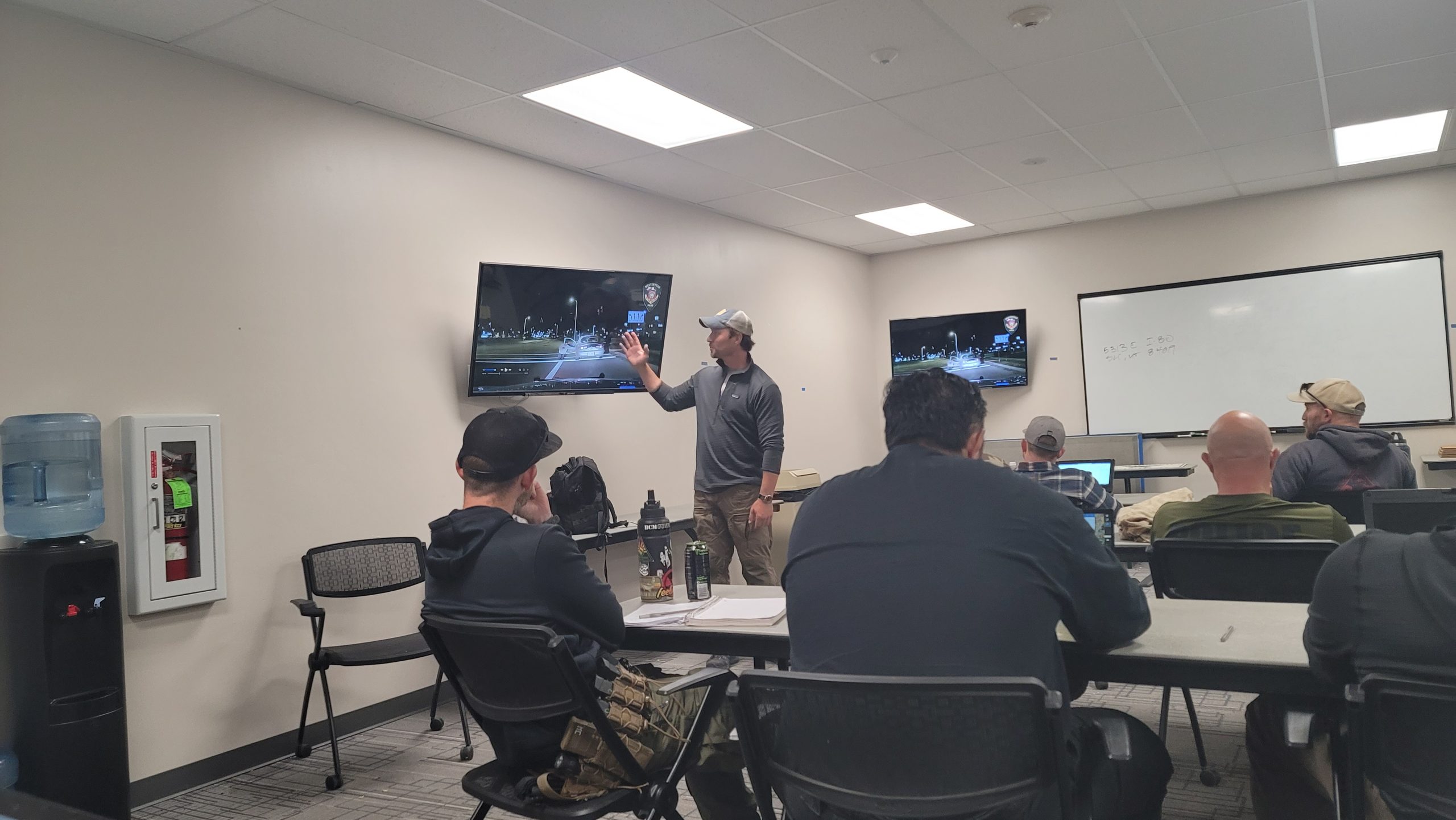
Why Speed in CQB Matters
Speed in CQB is not merely physical. Kurt Weber explains how tempo collapses enemy options, makes decisions obsolete, and disrupts the adversary’s OODA loop.
Pro Guns, Gear, Tactics, Training, Mindset, & Discussion
CQB, tactics, and defensive training from Primary & Secondary, including close-quarters work, structure clearing, room entry, force-on-force, home defense, team tactics, tactical decision-making, and practical preparation for armed encounters.
Speed in CQB is not merely physical. Kurt Weber explains how tempo collapses enemy options, makes decisions obsolete, and disrupts the adversary’s OODA loop.
Kurt Weber explains why speed in CQB comes from decision-making, mastery, and executing each required task correctly—not simply moving faster.
P&S ModCast 452 — Tales of Old(er) and Lessons Learned Experience is useful only when its lessons are carried forward. In this ModCast, Matt Landfair and Kurt Weber discuss the stories, observations, and professional lessons that accumulate over time—and how they can inform better judgment, training, and decision-making today. Episode Focus Panel Matt Landfair is … Read more
ModCast 440 examines on- and off-duty critical response, including awareness, priorities, judgment, communication, legal responsibilities, coordination, and post-incident considerations.
Matt Landfair, James Westerfield, and Warren Wilson discuss lone-officer response to active-shooter incidents, including information, communication, and judgment.
Chuck Haggard, Dave Simerly, and Matt Landfair examine law-enforcement less-lethal options, including OC spray, conducted-energy weapons, impact munitions, policy, and training.
The panel examines lessons from a Centrifuge Training VCQB course, including vehicle geometry, movement, observation, communication, and decision-making.
Last week I attended the five day Centrifuge Training- Instructor VCQB (Vehicle Close Quarters Combat) course. The range/host was a local police department. I had previously hosted Pat Rogers at this range years ago. I went through the police academy in the 90s and my training that covers fighting around vehicles was minimal and continued … Read more
The panel discusses how people perceive information, process meaning, decide, and act to gain advantage during high-pressure encounters.
Ed Monk and Lee Weems discuss active-shooter incidents, police response, incomplete information, coordination, preparation, and mass-casualty outcomes.