Why Speed in CQB Matters
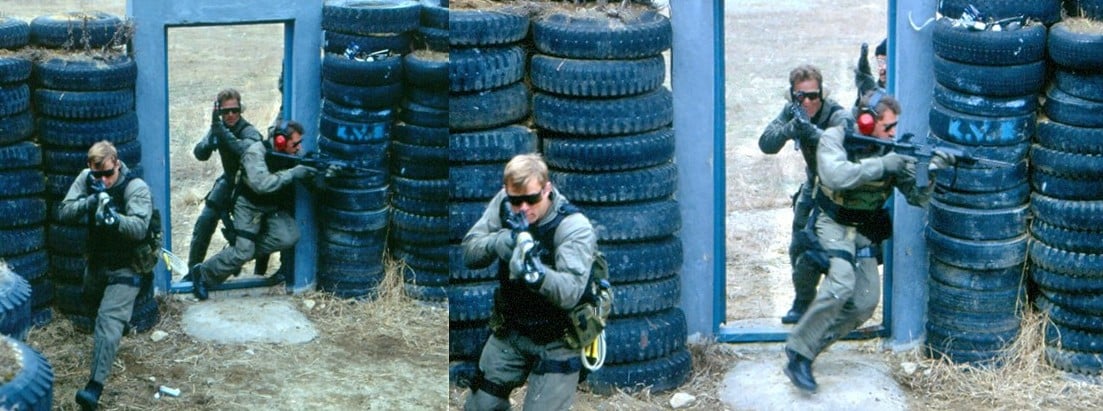
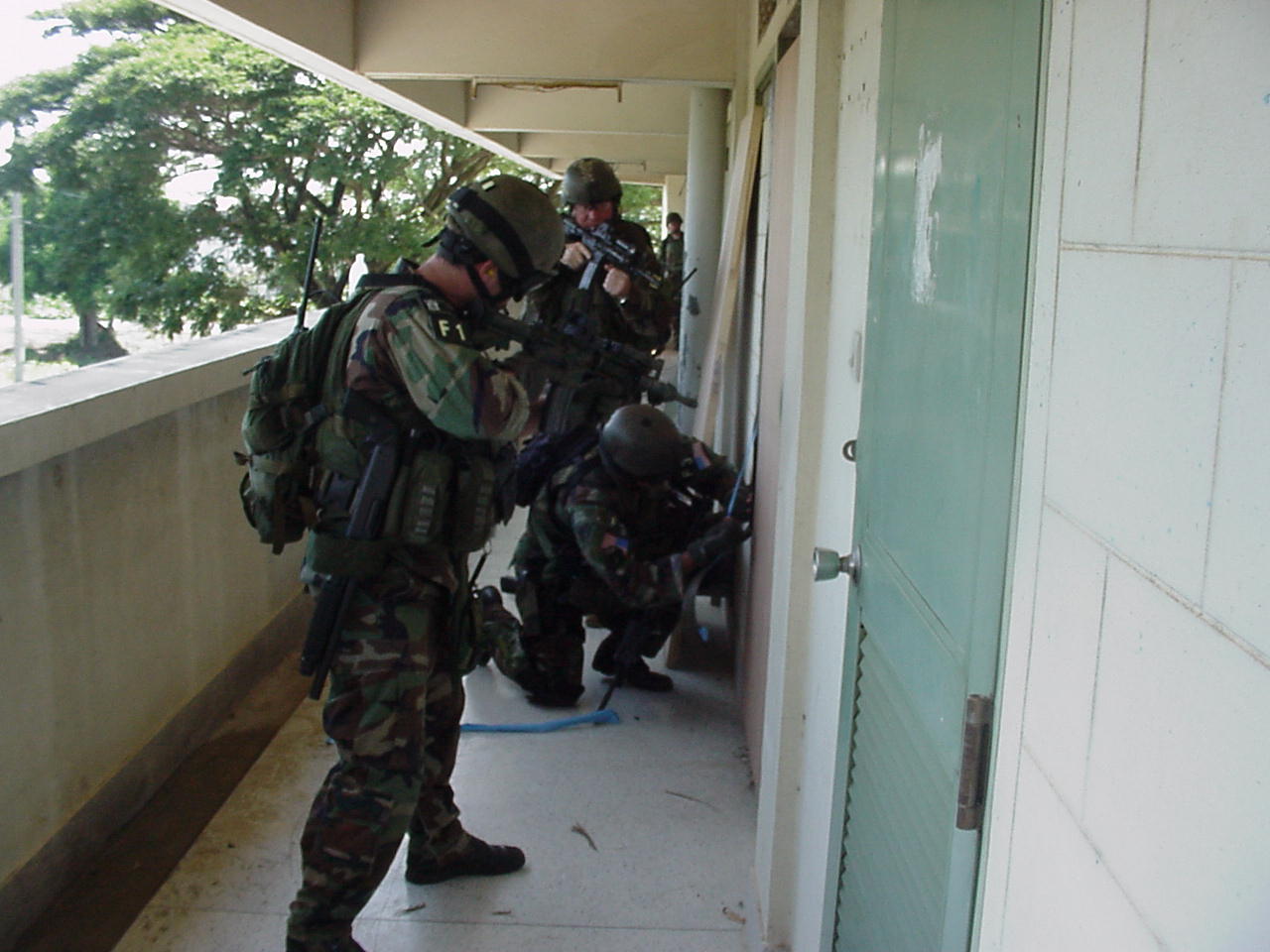
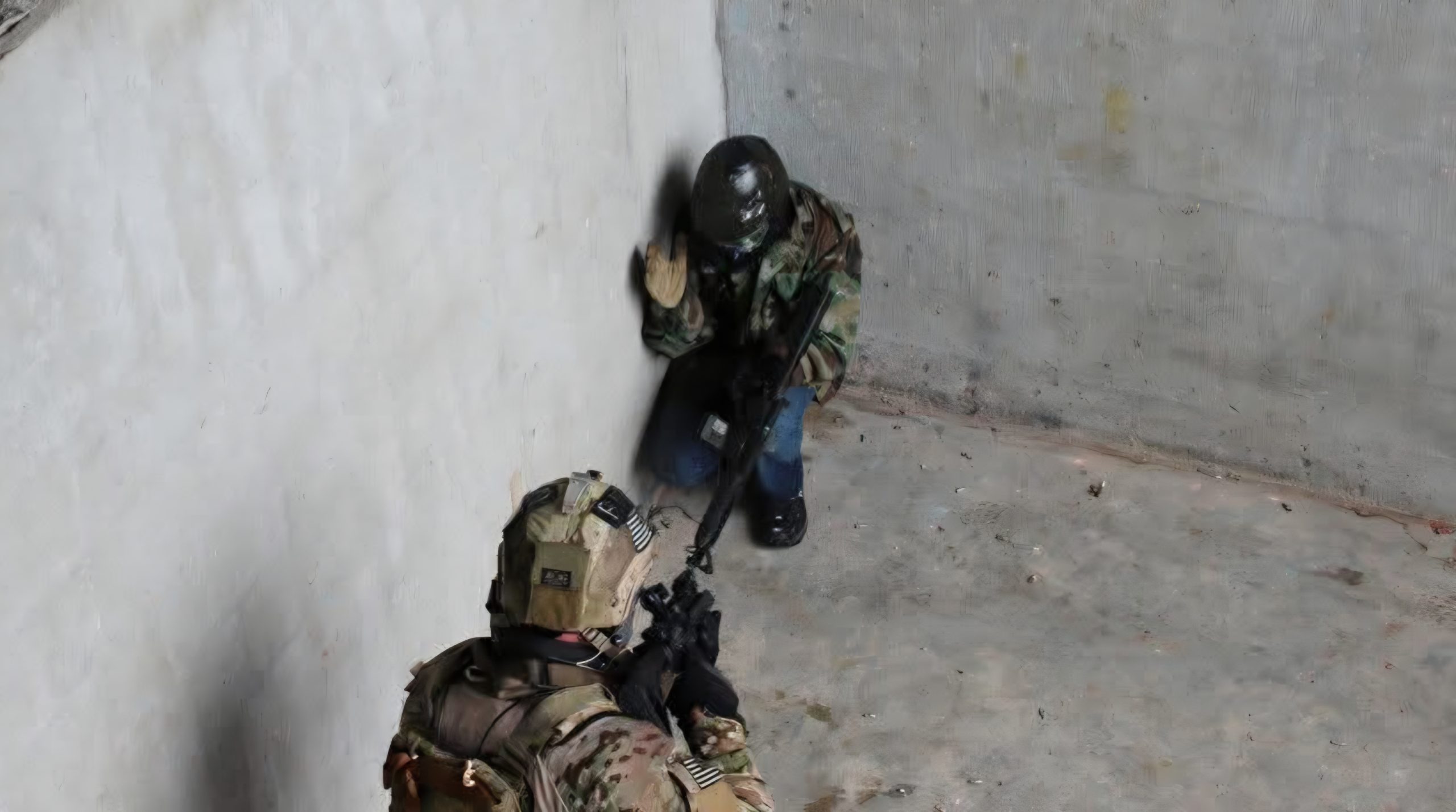
Speed in CQB is not merely physical. Kurt Weber explains how tempo collapses enemy options, makes decisions obsolete, and disrupts the adversary’s OODA loop.
Pro Guns, Gear, Tactics, Training, Mindset, & Discussion
Speed in CQB is not merely physical. Kurt Weber explains how tempo collapses enemy options, makes decisions obsolete, and disrupts the adversary’s OODA loop.
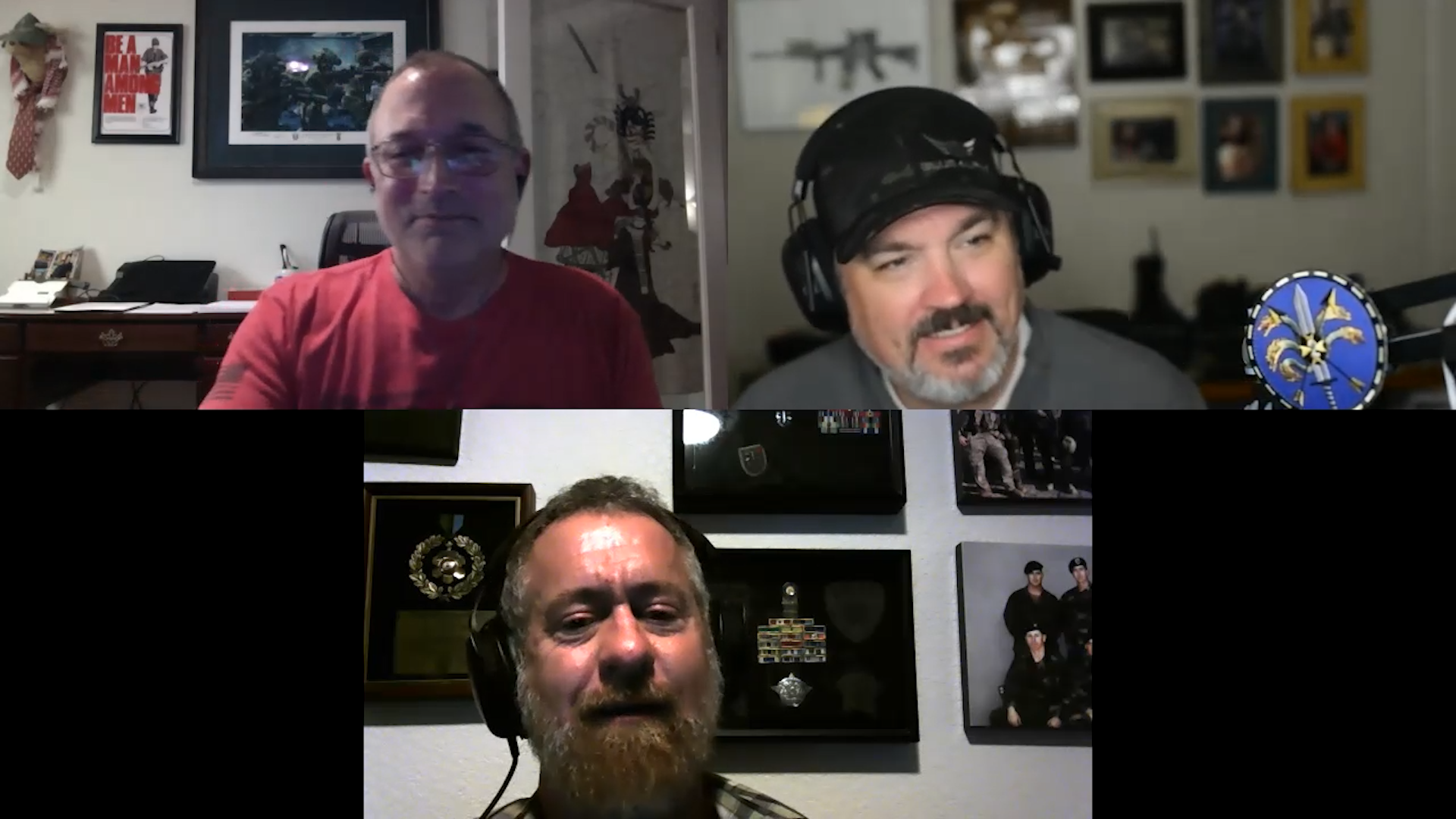
Kurt Weber explains why speed in CQB comes from decision-making, mastery, and executing each required task correctly—not simply moving faster.
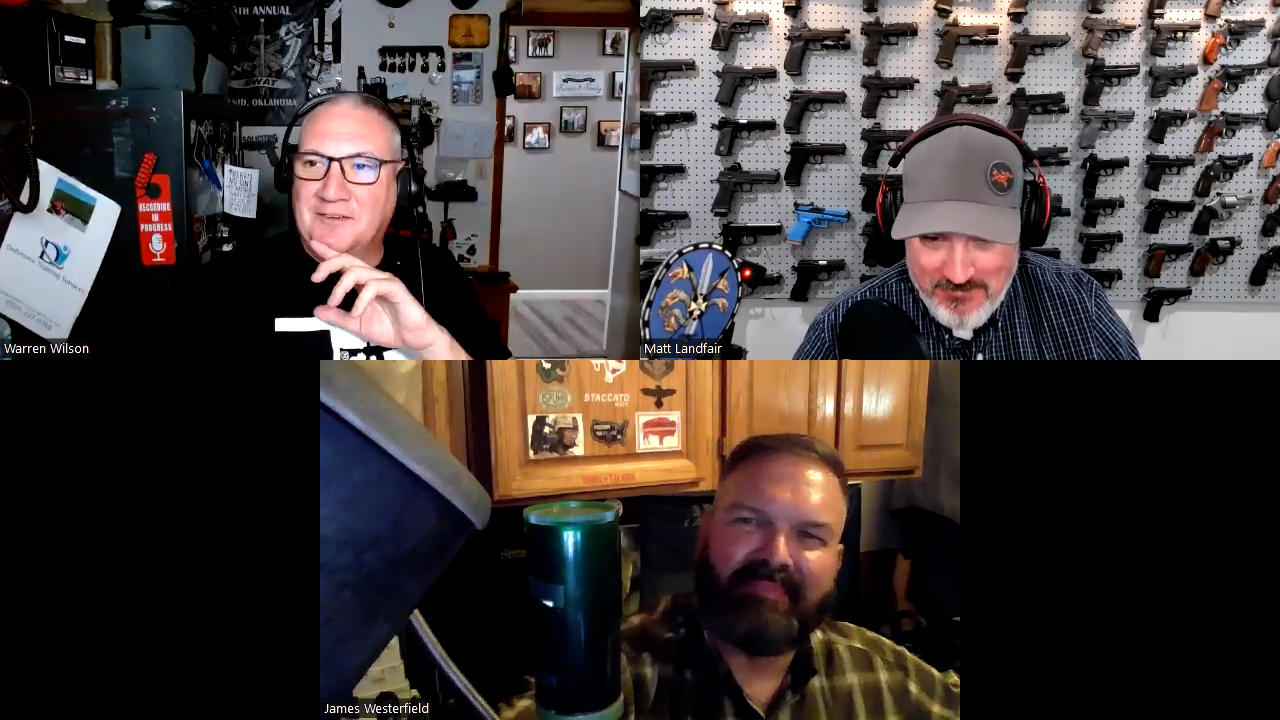
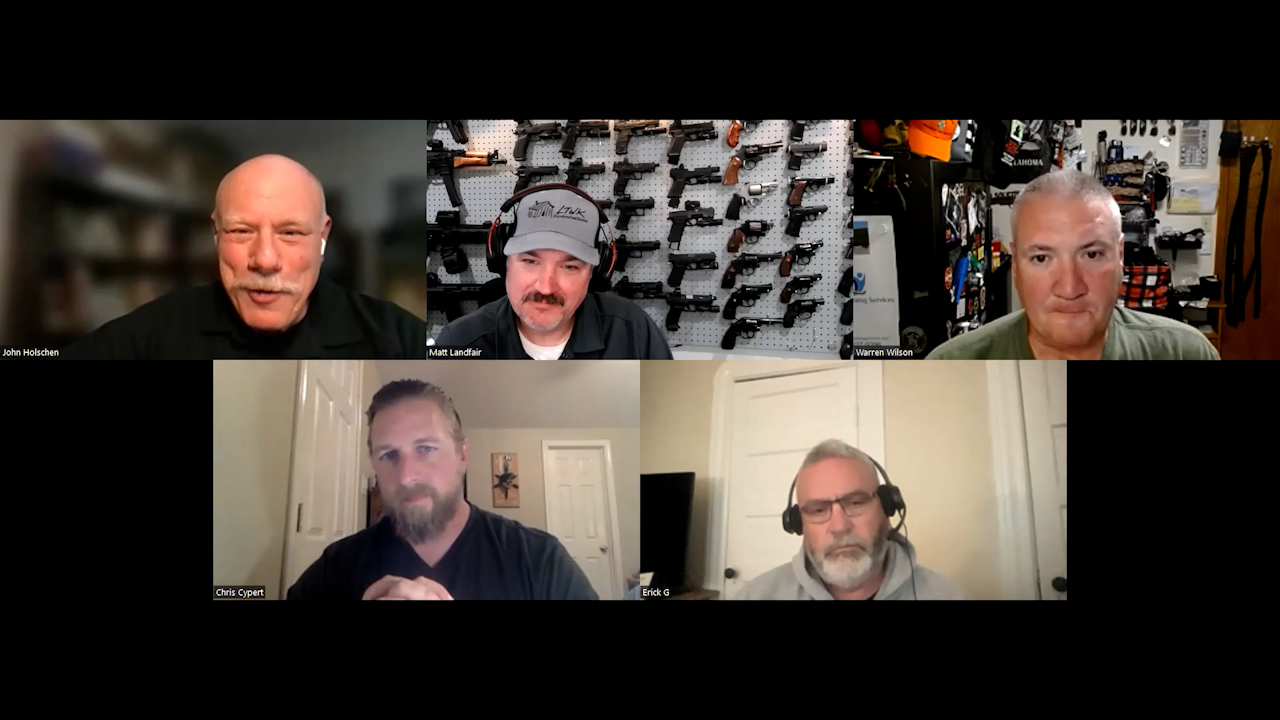
Matt Landfair, James Westerfield, and Warren Wilson discuss lone-officer response to active-shooter incidents, including information, communication, and judgment.
The panel examines lessons from a Centrifuge Training VCQB course, including vehicle geometry, movement, observation, communication, and decision-making.
The panel discusses how people perceive information, process meaning, decide, and act to gain advantage during high-pressure encounters.
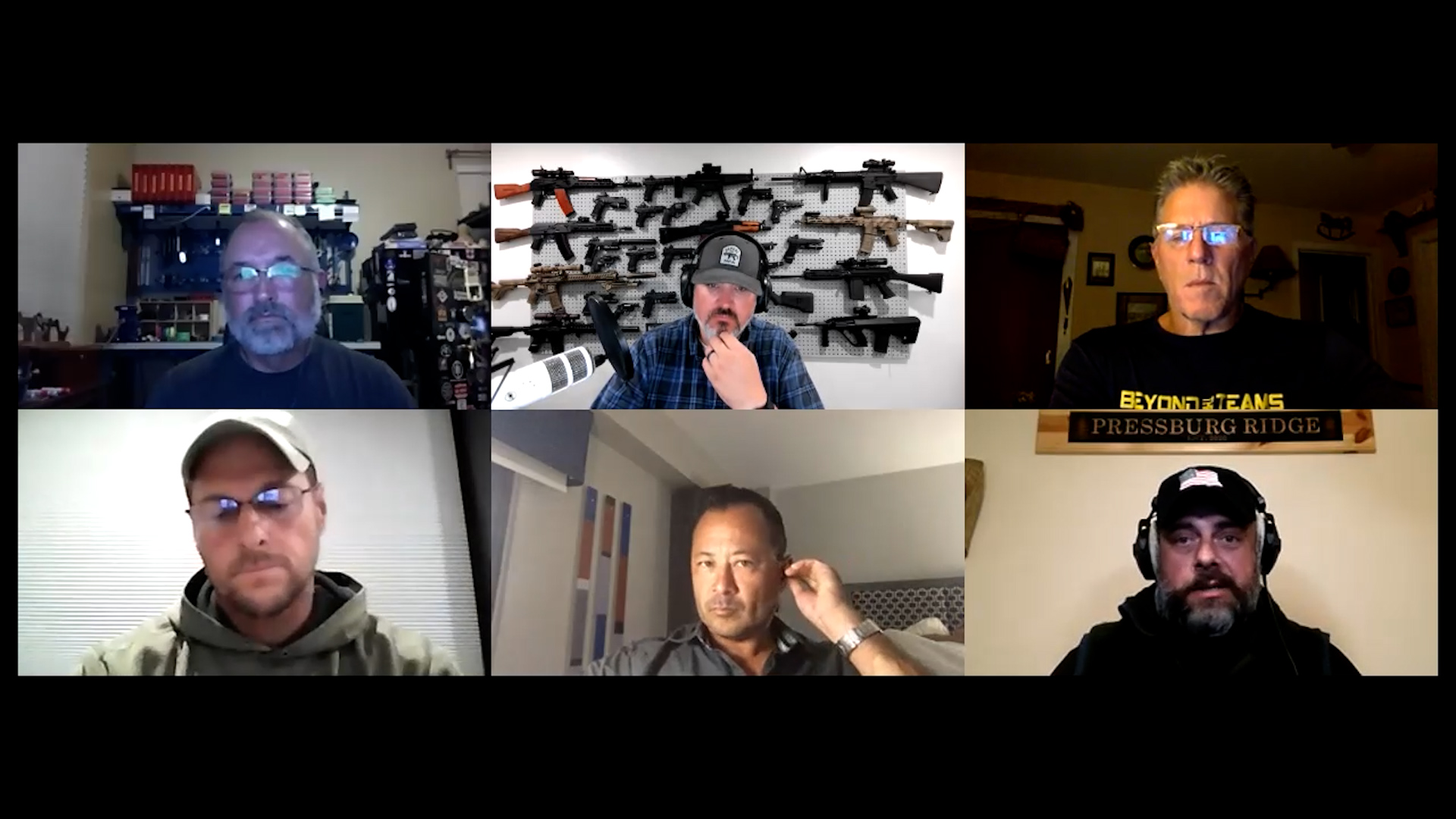
Bill Blowers, Ken Good, Chuck Pressburg, Ian Tashima, and Kurt Weber discuss how doctrine and tactics develop, spread, and change.
Ken Good, Chuck Haggard, Tom Kelley, and Matt Little discuss the experience, principles, and influence behind modern low-light tactics.
Matt Little, Kurt Weber, Scott Wolf, and Matt Landfair discuss realistic close-quarters battle, decision-making, movement, training, and team performance.
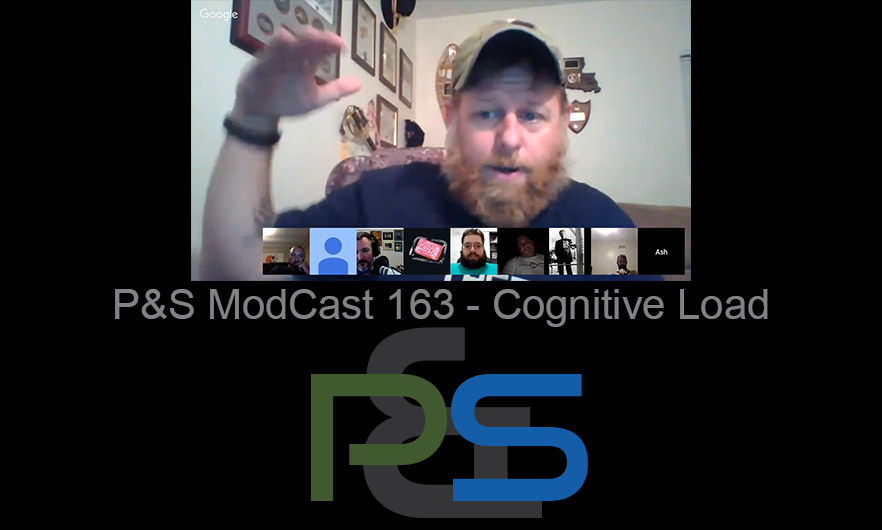
P&S ModCast 163 examines cognitive load, information overload, working memory, automaticity, attention, and decision-making under complex or stressful conditions.