
A defensive firearm display can stop an attack without a shot being fired. It can also escalate a confrontation, expose the defender to prosecution, or cause someone else to perceive an immediate deadly threat. Knowing the difference requires more than knowing how to draw and shoot.
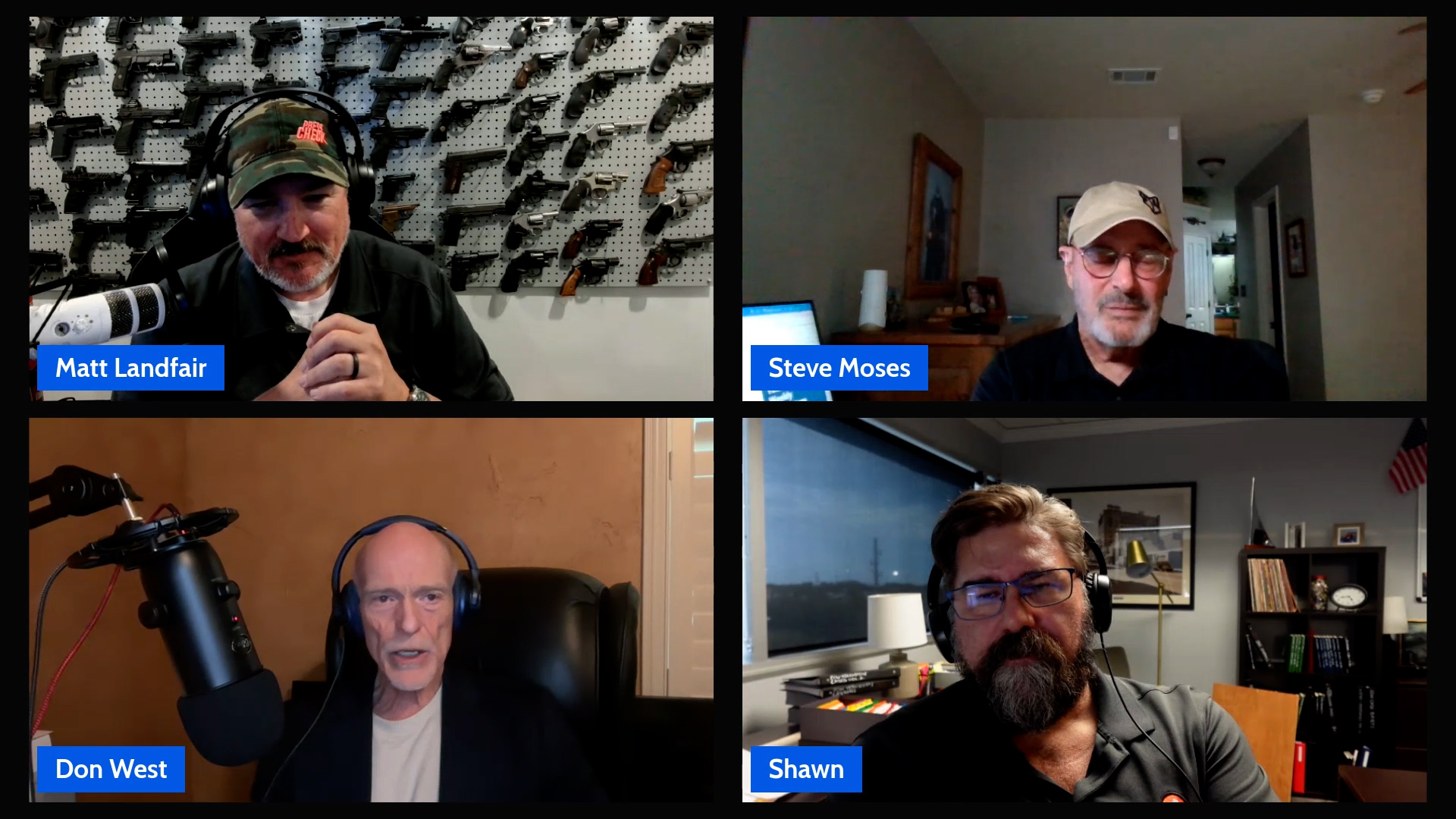
In P&S ModCast 468 — Defensive Display Done Right, host Matt Landfair joins firearms instructor Steve Moses, litigation consultant Shawn Vincent, and criminal defense attorney Don West to connect threat assessment, responsible gun handling, and the legal aftermath of a self-defense encounter.
Recorded: September 29, 2026.
Host: Matt Landfair.
Panel: Steve Moses, Shawn Vincent, and Don West.
Defensive Display Is a Decision, Not Just a Technique
The panel distinguishes between communicating that a firearm is present, drawing it, pointing it, and firing it. Those actions can carry different consequences, and the applicable law depends on the jurisdiction and the facts. A label such as “defensive display” does not by itself establish that an action was justified.
Instead, the discussion asks what the defender faced, why the response was necessary, and whether the conduct appeared reasonable in context. Investigators and juries may examine the entire encounter: the initial argument, attempts to disengage, words exchanged, firearm handling, and what happened after the threat changed.
Recognize When the Threat Changes
A central theme is that a decision to draw does not commit the defender to firing. An aggressor may stop, back away, or leave after seeing the firearm. The defender must recognize that change and reassess rather than carry an earlier decision forward automatically.
The panel uses Michael Drejka’s Florida parking-lot shooting to examine this distinction. The conversation contrasts a display that interrupts an assault with a subsequent shot after the other person begins retreating.
Break Contact—and Avoid Returning to the Fight
Leaving an argument, creating distance, or reaching a safer position can provide an opportunity to end the encounter. Retrieving a firearm and voluntarily returning introduces a different problem: the defender must explain why reengagement was necessary.
Sheri McClatchy’s laundromat encounter provides the panel’s example of disengagement followed by a firearm display when the attacker approaches again. Alexander Weiss, Jeffrey Smith, and Kyle Carruth provide contrasting circumstances for discussing reengagement, anger, and the desire to control another person’s behavior.
The practical emphasis is on putting ego aside. Having an opportunity to get away is valuable even when a person believes they have a right to remain.
Gun Handling Shapes the Encounter and the Evidence
Muzzle direction, trigger-finger discipline, positioning, and verbal communication influence both safety and how an encounter is perceived. The panel discusses the difference between holding a firearm in a restrained position and pointing it at someone.
Steve Moses also discusses the importance of maintaining visibility of a potential attacker’s hands and developing competent handling skills. Confidence in those skills can help a defender avoid drawing prematurely out of uncertainty.
The conversation treats these choices as part of the legal story as well as the physical encounter. Video and witnesses may reveal whether the defender tried to stop aggression or appeared to threaten, intimidate, or retaliate.
Options Between Shouting and Shooting
Verbal boundaries, managing unknown contacts, movement, and OC spray receive attention as options that may help resolve a situation before a firearm becomes necessary. The panel stresses training and preparation rather than improvising every decision under pressure.
Warning shots receive separate scrutiny. The guests explain why firing a gun introduces substantially different risks and legal consequences from displaying one, even when the shot does not strike anyone.
Cases Examined in the Episode
- Michael Drejka: The Florida parking-lot shooting and reassessing after a firearm display changes the aggressor’s behavior.
- Sheri McClatchy: Breaking contact after a laundromat assault, calling 911, and resolving a renewed approach without firing.
- Alexander Weiss: A Minnesota traffic confrontation, retrieving a firearm, and returning to the dispute.
- Jeffrey Smith and Arthur Kohn III: A Michigan gas-station confrontation involving reengagement, a firearm, and a crowbar attack.
- Dean Keller and Jeffrey Weigle: An Indiana neighbor dispute and the danger of a firearm display prompting an armed response.
- Mark and Patricia McCloskey: Firearm handling, positioning, and the confrontation outside their Missouri home.
- Kyle Carruth and Chad Read: The Lubbock, Texas, shooting and the decision to return after going inside to retrieve a firearm.
The Costs Extend Beyond the Incident
Don West and Shawn Vincent explain how jury selection, evidence, expert assistance, and the presentation of a self-defense claim affect a case. Even a favorable outcome can follow substantial financial expense, emotional strain, and years of disruption.
The panel also examines how social-media slogans and casual advice can distort judgment. Statements made before an incident may become part of the investigation afterward. Their emphasis is on learning from resolved cases and qualified sources rather than assuming a popular phrase explains the law.
Listen to the Complete Discussion
Listen to P&S ModCast 468 — Defensive Display Done Right on Spreaker for the complete conversation with Matt Landfair, Steve Moses, Shawn Vincent, and Don West.
Guest Resources and Related P&S Content
Find The Armed Defender’s Dilemma, the 36 Lessons for Armed Defenders, and the In Self Defense podcast through CCW Safe.
Explore additional discussions in the P&S podcast topic index and the Primary & Secondary Article Library.
Episode Sponsors
- High Desert Cartridge Company
- PHLster Educational Content — practical, brand-agnostic concealment education. The episode also highlights the PHLster Concealment Workshop on Facebook.
- Blue Alpha — belts and supporting equipment for concealed carry, duty, and training.
Support these conversations through Primary & Secondary on Patreon.
This episode provides general education. Self-defense laws vary by jurisdiction, and individual incidents require analysis of their specific facts.