
Handloading is not always about producing more ammunition. Sometimes it is the practical way to keep an unusual cartridge running, tailor a load to a particular firearm, or turn a pile of components into ammunition that does exactly what you need it to do.
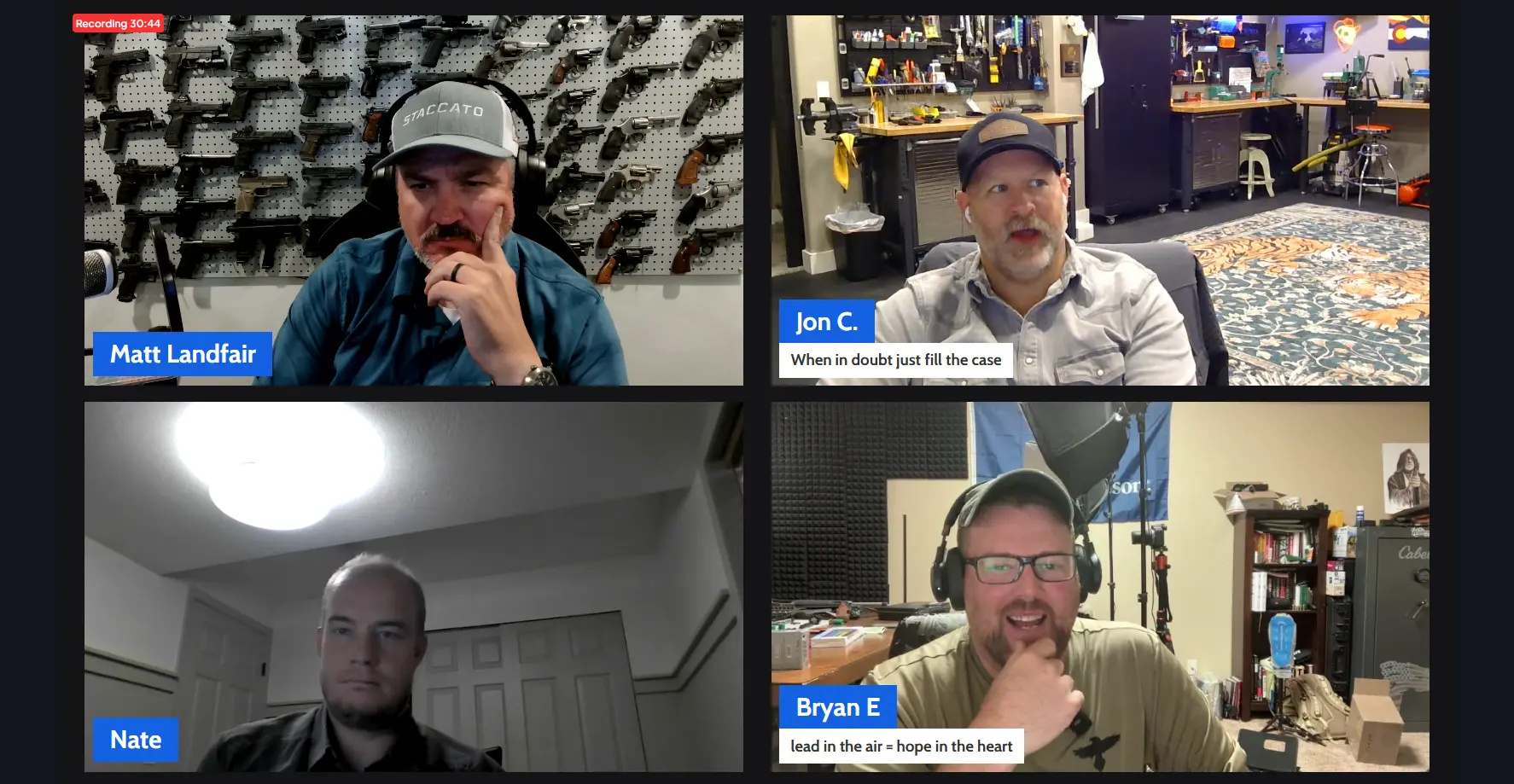
In P&S ModCast 467 – Small Batch Reloading, Matt Landfair is joined by Jon Canipe, Bryan Eastridge, and Nate Osborne for a wide-ranging conversation about the useful—and enjoyable—side of small-batch handloading.
The panel covers niche and obsolete cartridges, revolver loads, cast bullets, powder coating, component selection, economical bench setups, equipment choices, and why handloading remains valuable even when good factory ammunition is readily available.
Why Load Small Batches?
For common cartridges, modern factory ammunition can be hard to beat for convenience. Small-batch handloading begins to make sense when factory options are expensive, scarce, unsuited to a particular firearm, or simply unable to provide the configuration the shooter wants.
- Keeping uncommon, obsolete, or specialty cartridges in use
- Developing a load around a specific rifle or revolver
- Managing the cost of large-bore or specialty ammunition
- Using cast or coated projectiles tailored to a particular purpose
- Learning how ammunition, firearms, pressure, and accuracy interact
The discussion is not a sales pitch for loading every round you shoot. A high-volume shooter may need a progressive press or may be better served by factory ammunition. But for a box or two of something specific, a basic bench can be both practical and rewarding.
Start With Useful Equipment, Not an Expensive Project
The panel’s advice for someone interested in trying handloading is straightforward: start with modest, proven equipment. A simple single-stage press, dies, scale or powder-measure solution, and the appropriate published data can take a shooter a long way.
The point is not to build a showpiece bench. It is to learn the process safely, make informed decisions about future equipment, and find out whether the work suits you. More specialized tools make sense when a real need develops—not simply because they look impressive.
Cast Bullets, Coatings, and Revolver Details
Much of the conversation centers on the flexibility that comes with cast and coated bullets, particularly in revolvers and legacy cartridges. The panel compares powder coating, traditional lubrication, gas checks, bullet fit, cylinder dimensions, and the practical value of testing components in the firearms that will actually use them.
They also make the larger point that small-batch handloading rewards careful observation. A load that works well in one firearm may not be the right answer in another. Good results come from using reliable published data, checking components and fit, making deliberate changes, and recording what the firearm tells you.
Handloading Is Also a Knowledge Base
Even for shooters who do not reload every cartridge they own, the process builds useful understanding. It creates a closer relationship with the firearm, clarifies what affects performance, and makes it easier to diagnose problems involving ammunition, fit, pressure, or function.
It also connects people. Experienced loaders often enjoy helping someone set up a first press, work through a problem, or understand why a particular load behaves the way it does. The panel closes with the same practical encouragement: begin carefully, use trustworthy sources, ask questions, and do not let the apparent complexity keep you from learning.
Handloading involves real hazards. Always follow current, published load data from reliable manufacturers, inspect components, and stop when anything appears unsafe or abnormal. This episode is a discussion, not load data or a substitute for a loading manual.
Episode Chapters
- 00:00 – Opening conversation and the appeal of specialized setups
- 14:38 – Why small-batch reloading still matters
- 26:40 – Building a practical bench and choosing equipment
- 33:13 – Cast bullets, coatings, lubrication, and fit
- 1:05:00 – Revolvers, unusual cartridges, and making ammunition fit the firearm
- 1:53:00 – Final thoughts: getting started without overcomplicating it
Listen to the Complete Discussion
Listen to P&S ModCast 467 – Small Batch Reloading for the complete conversation.
Host: Matt Landfair
Panel: Jon Canipe, Bryan Eastridge, and Nate Osborne