P&S ModCast 340: Perception, Cognition, Decision Cycle
The panel discusses how people perceive information, process meaning, decide, and act to gain advantage during high-pressure encounters.
Pro Guns, Gear, Tactics, Training, Mindset, & Discussion

CQB, tactics, and defensive training from Primary & Secondary, including close-quarters work, structure clearing, room entry, force-on-force, home defense, team tactics, tactical decision-making, and practical preparation for armed encounters.
The panel discusses how people perceive information, process meaning, decide, and act to gain advantage during high-pressure encounters.
Ed Monk and Lee Weems discuss active-shooter incidents, police response, incomplete information, coordination, preparation, and mass-casualty outcomes.

This is not a discussion of the tragic event in Texas. This is a generic overview discussion about active shooter incidents, the every day carry citizen, and how it relates to law enforcement response- a rational and non-emotional discussion from 10,000 feet. Hopefully this provides context to what people see and why it occurs. Public … Read more
The panel examines how household needs, access, storage, training, planning, and weapon characteristics shape responsible home-defense choices.
Bill Blowers, Ken Good, Chuck Pressburg, Ian Tashima, and Kurt Weber discuss how doctrine and tactics develop, spread, and change.
Ken Good, Chuck Haggard, Tom Kelley, and Matt Little discuss the experience, principles, and influence behind modern low-light tactics.
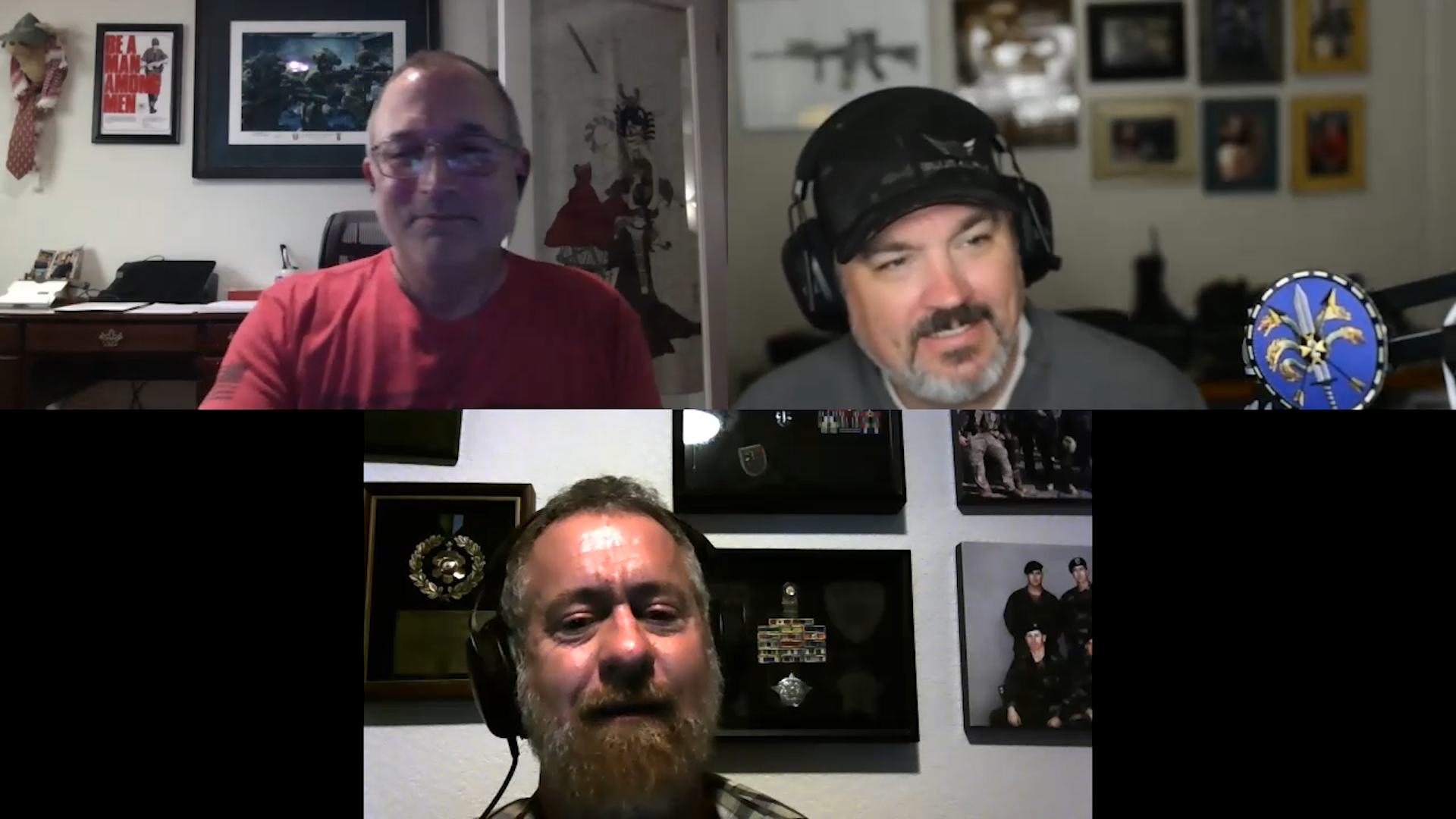
Matt Little, Kurt Weber, Scott Wolf, and Matt Landfair discuss realistic close-quarters battle, decision-making, movement, training, and team performance.
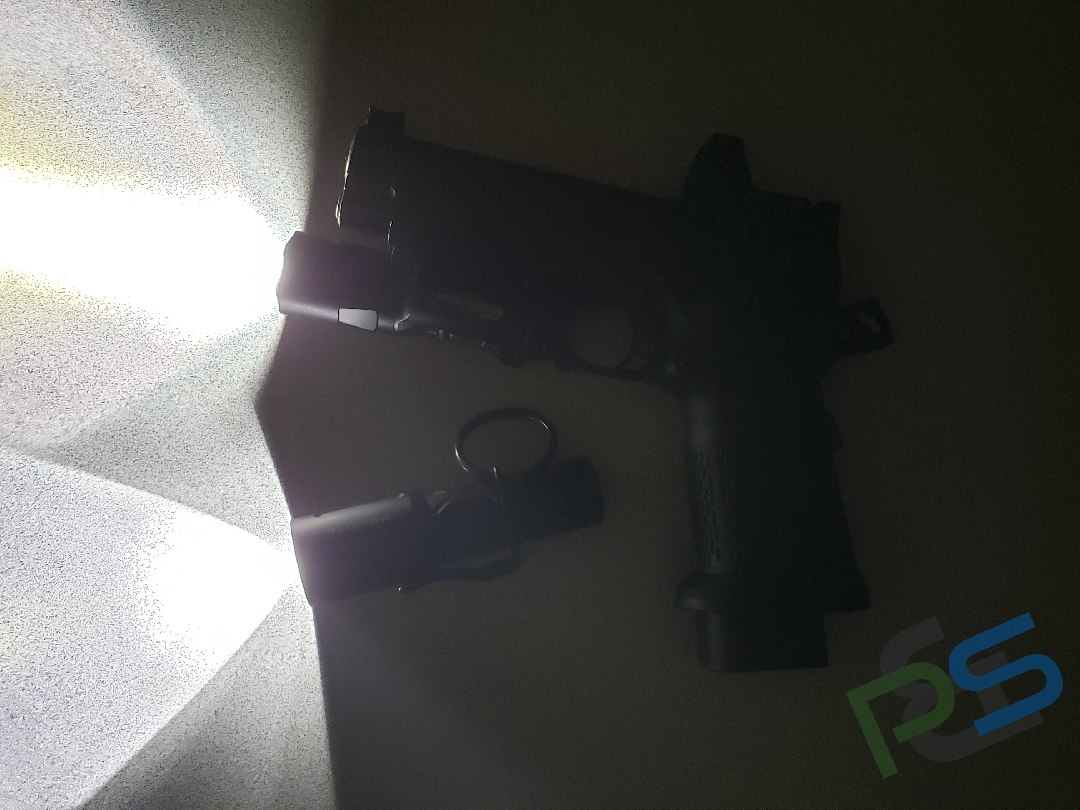
I’m going to share the secrets of effective low light room clearing. Now remember, these are a secret – they are also according to me. The following secrets will stop you from blinding yourself (not that that’s a real thing) and also will help stop you from shooting people that do not deserve to be … Read more
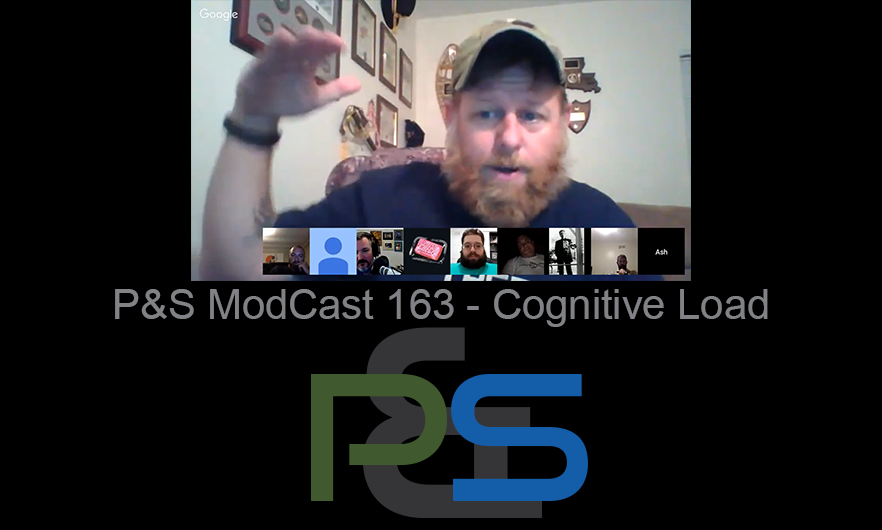
P&S ModCast 163 examines cognitive load, information overload, working memory, automaticity, attention, and decision-making under complex or stressful conditions.
Matt Landfair, Varg Freeborn, Chuck Haggard, and Chuck Pressburg discuss criminal violence, dangerous assumptions, awareness, preparation, and professional judgment.