Stable Pistol Shooting: Relaxation, Natural Point of Aim, and Recoil
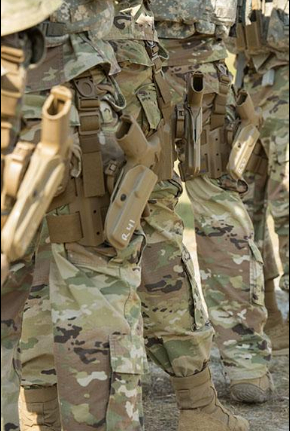
Improve stable pistol shooting by using purposeful tension, repeatable structure, natural orientation, acceptable sight movement, and predictable recoil recovery.
Pro Guns, Gear, Tactics, Training, Mindset, & Discussion

Improve stable pistol shooting by using purposeful tension, repeatable structure, natural orientation, acceptable sight movement, and predictable recoil recovery.
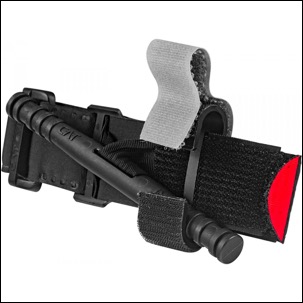
Andrew D. Fisher and Will G. explain how evidence, independent testing, current recommendations, authentic sourcing, training, and carry condition shape tourniquet selection.
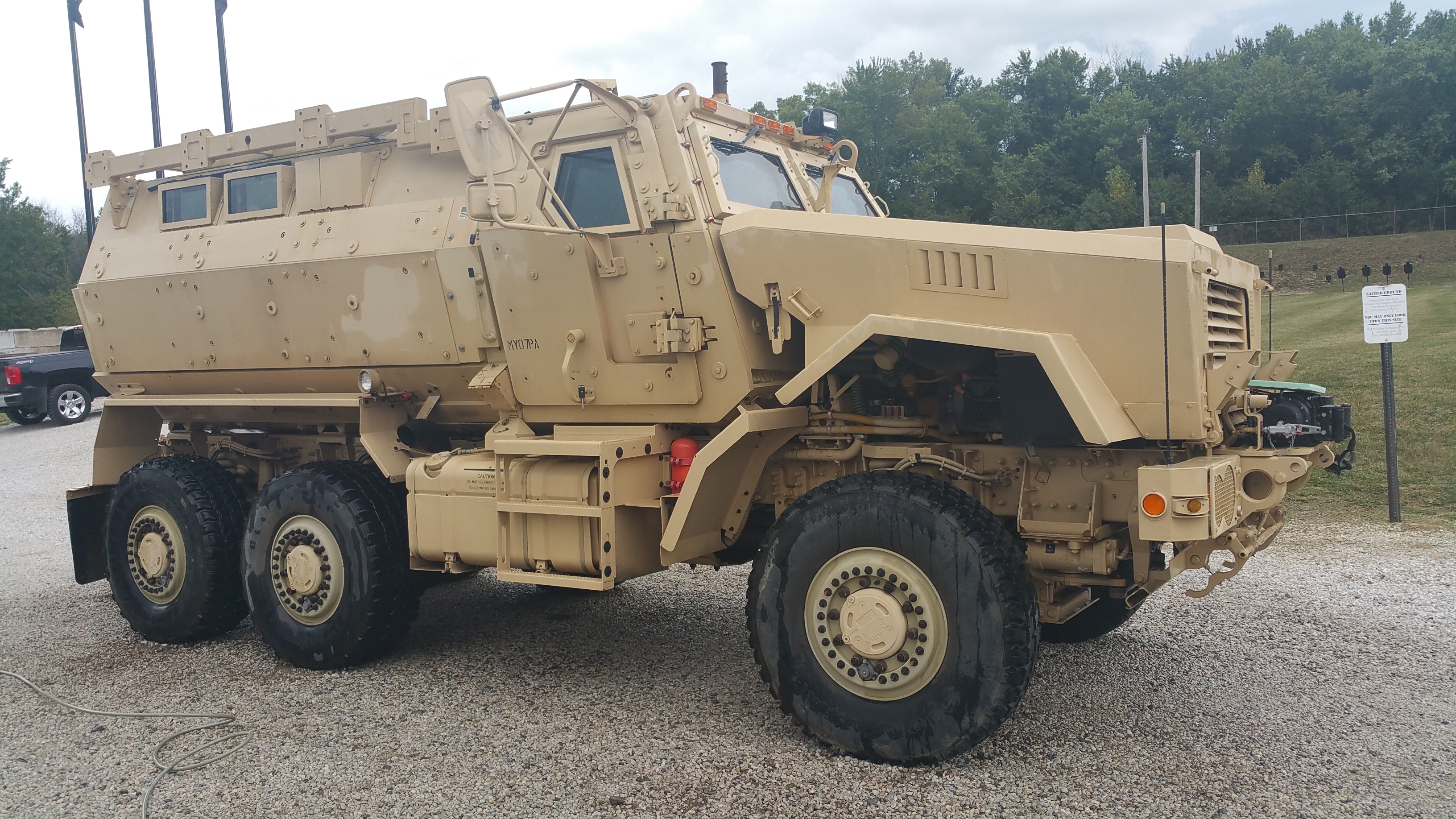
Evaluate law-enforcement surplus equipment through documented need, lifecycle cost, training, policy, transparency, public trust, and measurable public-safety value.

A detailed Project Appleseed AAR covering rifle fundamentals, unsupported positions, sling use, the AQT standard, known-distance shooting, instruction, and American history.
Matt Landfair, Varg Freeborn, Chuck Haggard, and Chuck Pressburg discuss criminal violence, dangerous assumptions, awareness, preparation, and professional judgment.
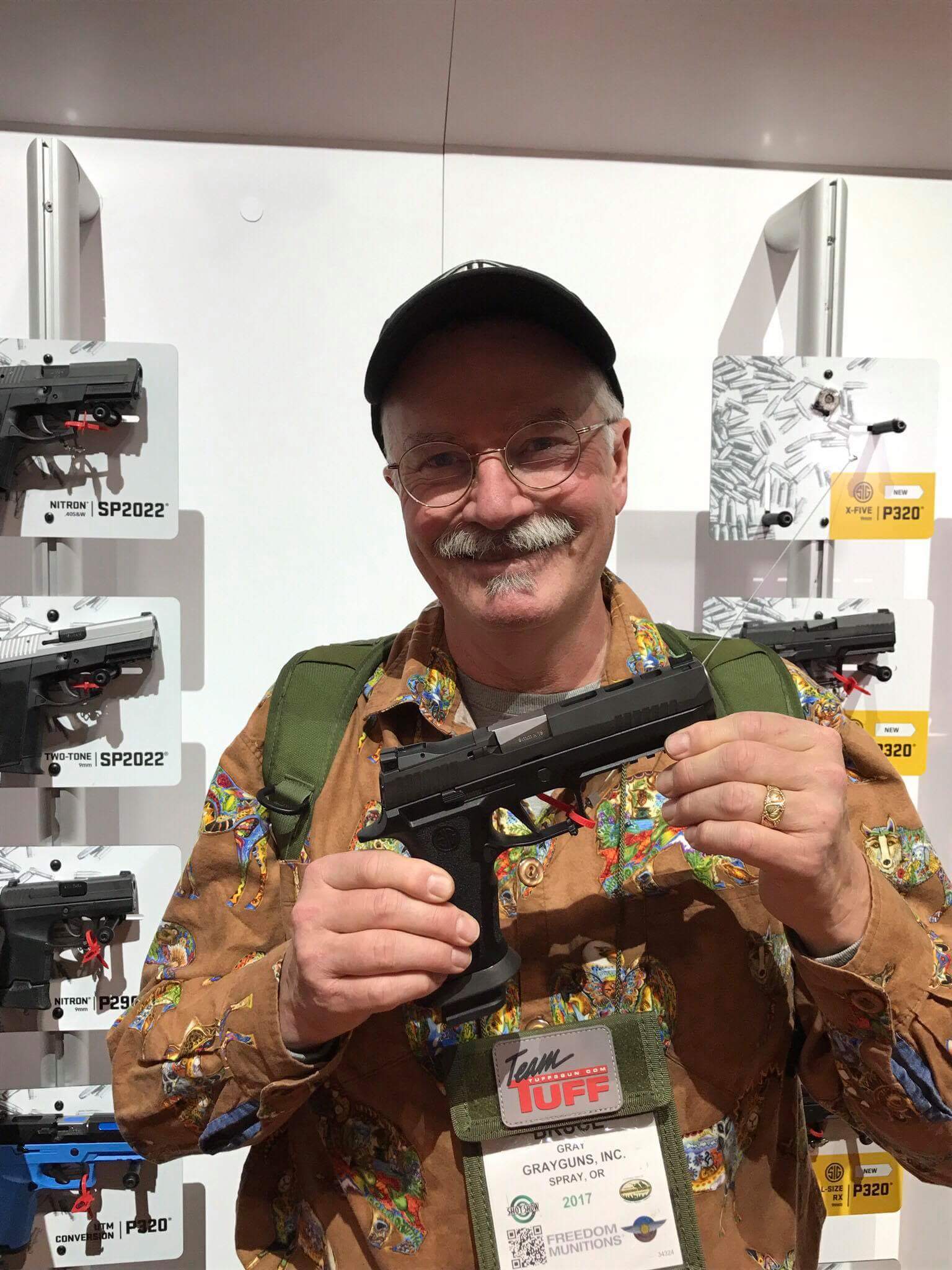
Editor’s Update: September 2026 Historical context: This article preserves Bruce Gray’s August 2017 assessment as it was presented at the time. SIG SAUER subsequently introduced its P320 Voluntary Upgrade Program. SIG states that additional testing found that, under certain drop angles and conditions, a potential discharge could occur. The upgraded design reduces the mass of … Read more

The original PHLster Flatpack design account covers its plainclothes origins, CAT and SOFTT-W compatibility, carry configurations, retention, exposure, and deployment.
Military practitioners discuss jungle operations, including tropical environmental hazards, weapons and equipment, movement, navigation, sustainment, maintenance, and training.
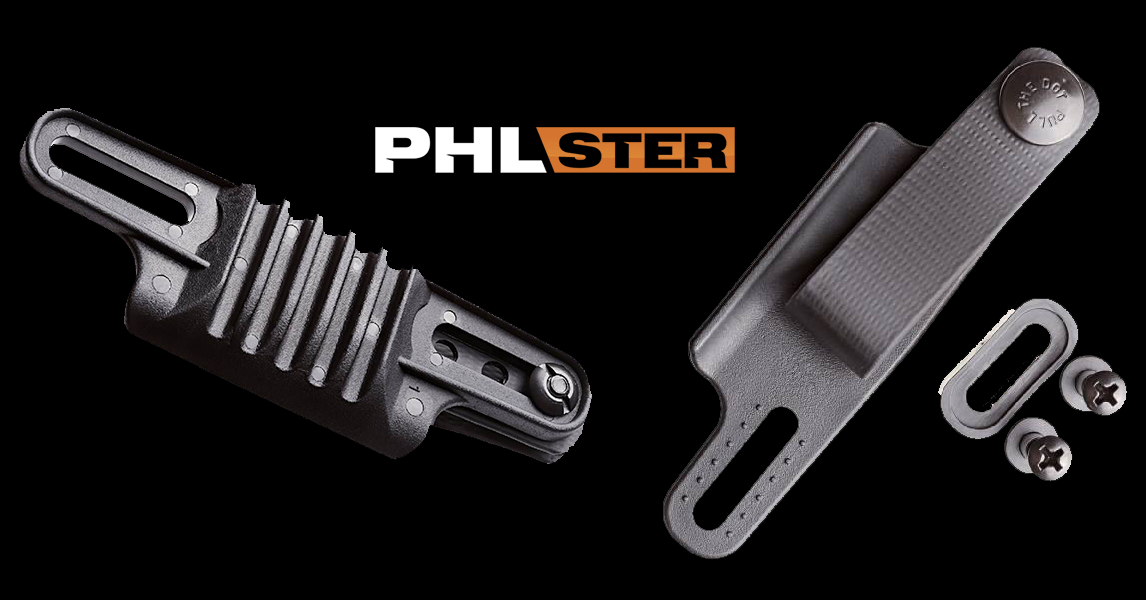
PHLster founder Jon Hauptman explains the original TuckStrut design, including grip rotation, ambidextrous mounting, ride-height adjustment, compatibility, and tradeoffs.
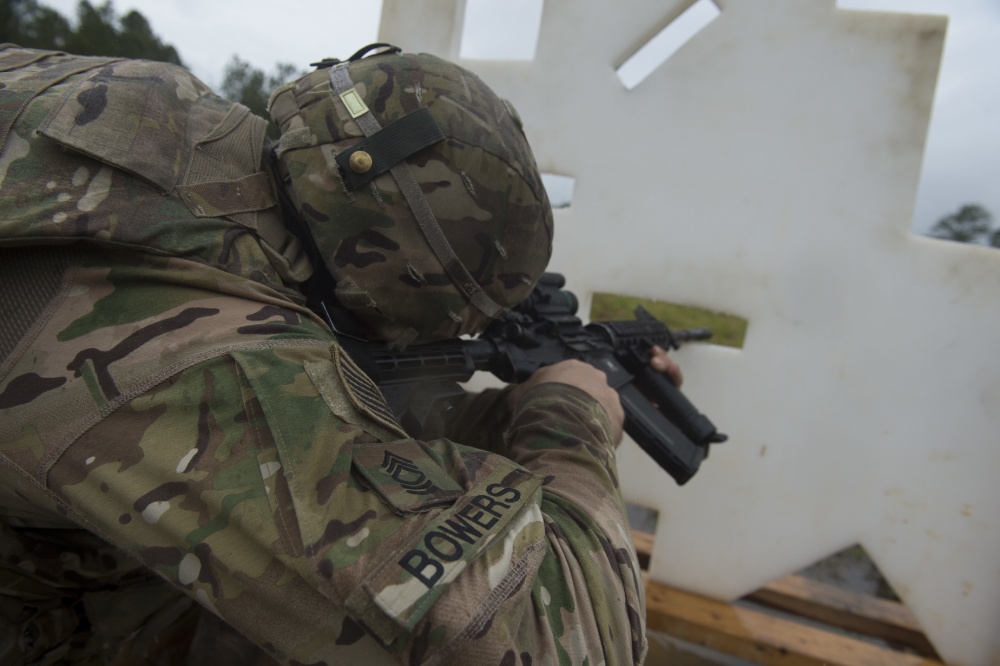
Prepare and zero the M68 CCO by confirming the configuration, inspecting the mount, firing repeatable groups, applying documented adjustments, and confirming distance.