
Editor’s context: This article originated during the 2017 debate over federal transfers of surplus equipment to law-enforcement agencies. Program rules and oversight requirements change; current policy should be verified through official sources.
Government-surplus programs can place equipment already purchased by taxpayers into new public-safety roles. The value of a transfer depends less on whether an item looks military and more on whether an agency has a legitimate need, can sustain it, and governs its use responsibly.
Surplus includes ordinary equipment
Transfers may include clothing, cold-weather gear, tools, medical supplies, packs, optics, vehicles, and other equipment that still has useful service life. Some items arrive in excellent condition; others are obsolete or require enough repair that acquisition creates a burden rather than savings.
Define the public-safety need
An agency should connect each request to a specific operational requirement. Examples may include flood rescue, severe-weather transportation, fire response, remote-area investigations, medical support, or replacing worn equipment that the local budget cannot support.
Total cost matters more than acquisition price
- Inspection and refurbishment
- Maintenance, parts, fuel, and storage
- Training and qualification
- Insurance and administrative reporting
- Special licensing or operator requirements
- Eventual disposal
An item described as free can be expensive over its service life. Agencies should compare that cost with commercial alternatives and mutual-aid arrangements.
Capability requires policy and training
Equipment should not be fielded simply because it is available. Written policy should define authorized use, supervision, deployment criteria, maintenance, documentation, and after-action review. Operators need training appropriate to both the equipment and the civilian public-safety context.
Public trust is part of the decision
Community concern should not be dismissed solely because an item has a practical use. Agencies should explain what was acquired, why it is needed, how much it costs, who may authorize it, and what safeguards apply. Transparent records make it easier to distinguish genuine capability from indiscriminate accumulation.
Appearance and function are different—but both matter
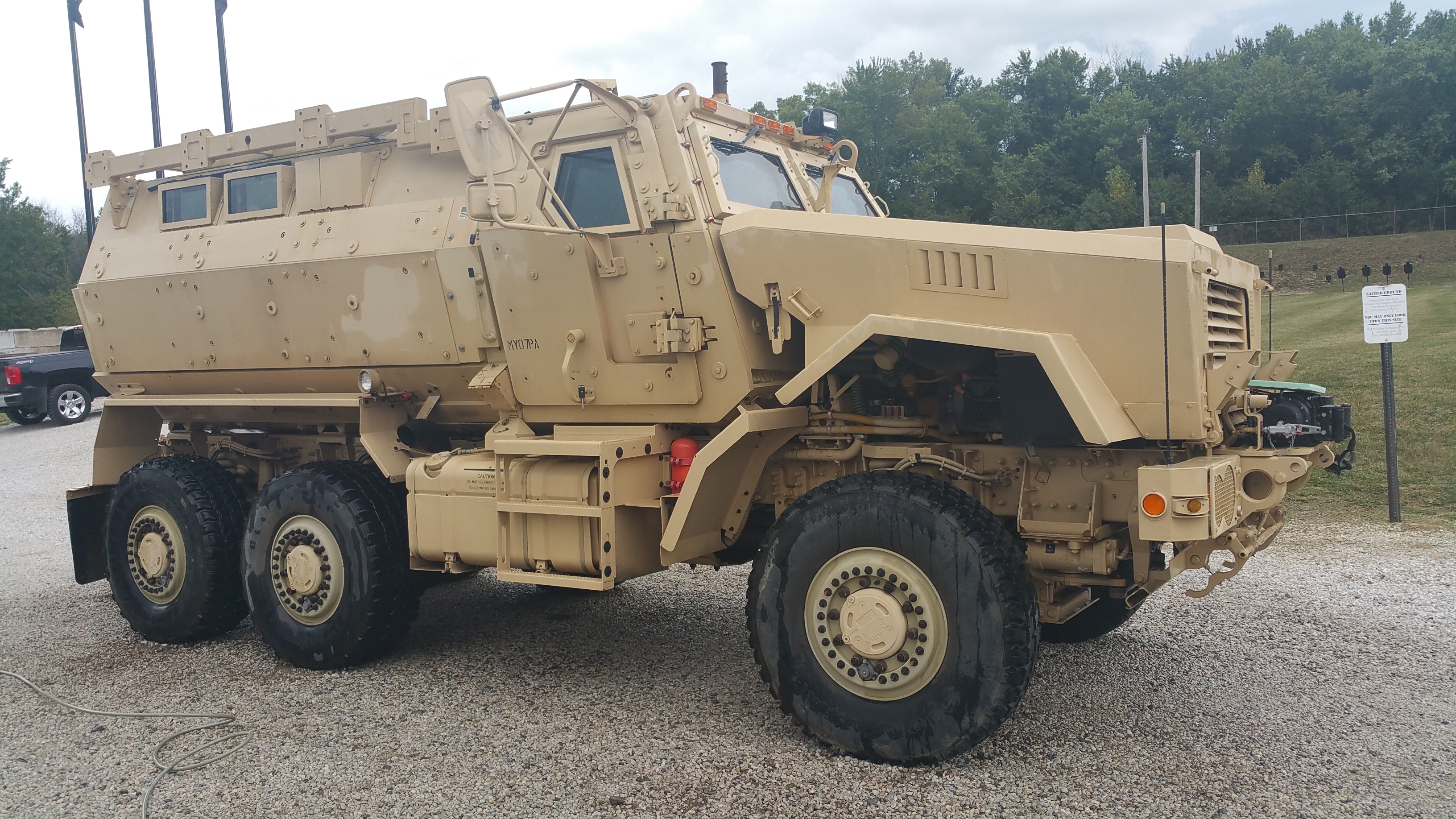
An armored rescue vehicle is not a tank, and protective equipment does not dictate a military mission. At the same time, visible equipment affects public perception and officer behavior. Markings, deployment practices, communications, and command discipline should reflect the agency’s public-safety role.
Evaluate the outcome
Track how often the equipment is used, whether it improved safety or response, its operating cost, and any complaints or unintended effects. If the capability cannot be maintained or justified, the agency should return, transfer, or dispose of it through the appropriate process.
Surplus programs can conserve resources and provide genuine rescue or protective capability. Their legitimacy depends on need, lifecycle planning, policy, training, transparency, and accountable use.