External Ballistics: Trajectory, Stability, and Wind

Understand how muzzle exit, drag, spin stability, trajectory, sight line, wind, and time of flight shape a projectile’s external flight.
Pro Guns, Gear, Tactics, Training, Mindset, & Discussion

Understand how muzzle exit, drag, spin stability, trajectory, sight line, wind, and time of flight shape a projectile’s external flight.
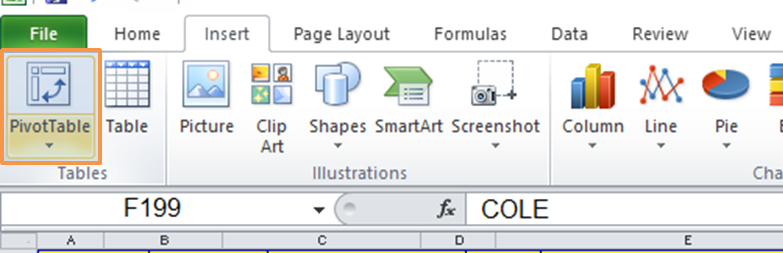
Use Excel PivotTables to summarize weapons-training data by unit, date, course, or skill while preserving raw records, context, sample size, and valid comparisons.
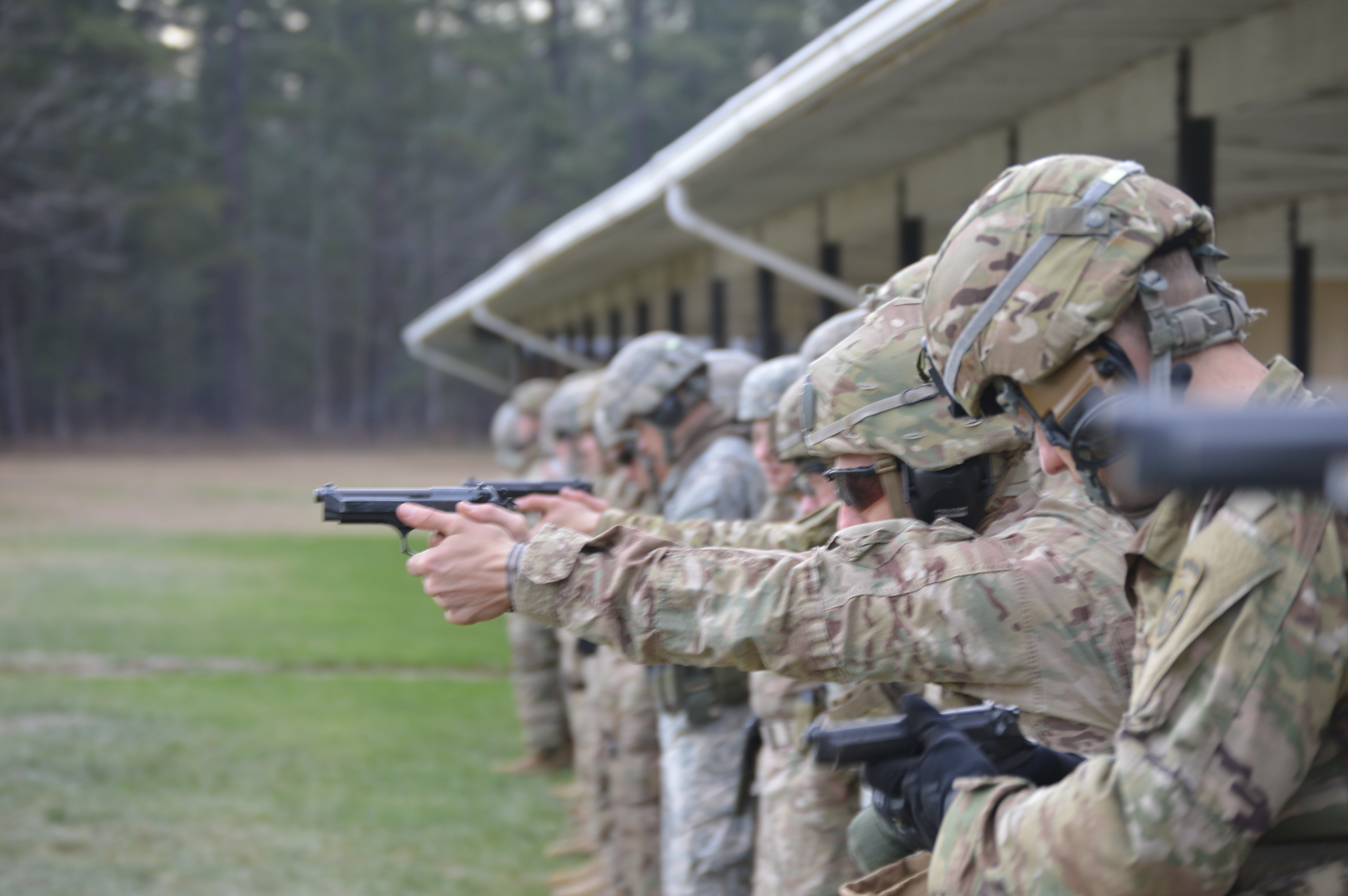
A safe pistol draw builds a firing grip, clears retention and equipment, protects the support hand, preserves trigger discipline, and presents useful sights efficiently.
A detailed discussion of squad support weapons, machine-gun theory, M240 and M249 employment, the M27 IAR, .338 systems, optics, ammunition, doctrine, leadership, and training.

The 25-meter ALT-C target could test foundational skills, but it could not reproduce wind, trajectory, target detection, or confidence developed at true distance.

Understand the M68 Close Combat Optic’s operating principles, brightness, parallax, mounting, both-eyes-open use, mechanical offset, zero, and checks.

Consistent rifle groups establish a baseline for zeroing, shooter diagnosis, ammunition comparison, equipment testing, and future marksmanship improvement.
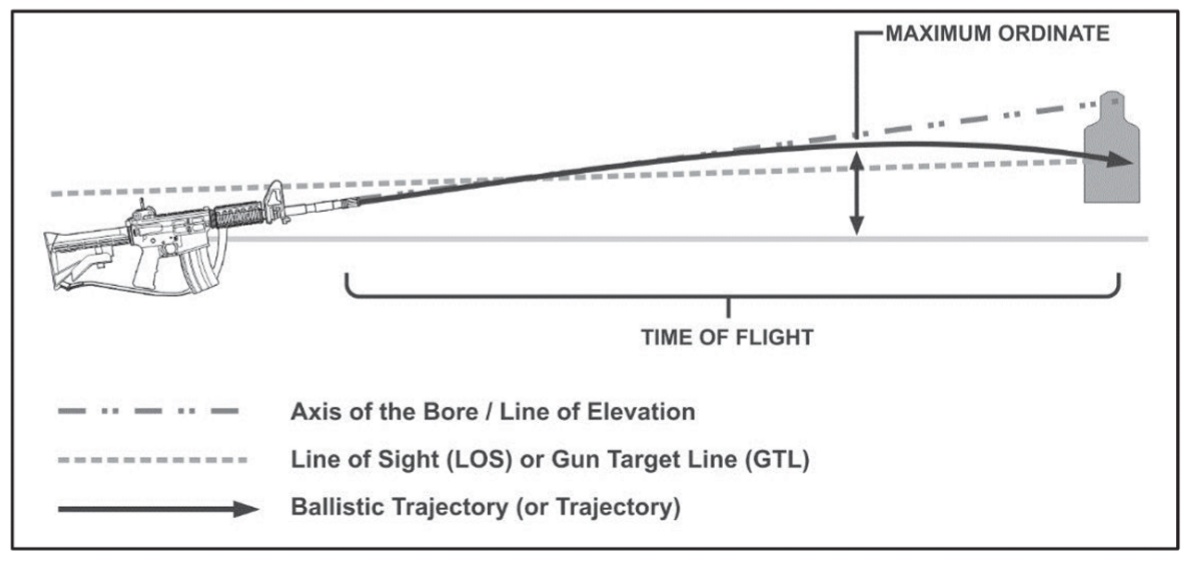
A practical glossary of external-ballistics terms covering trajectory, velocity, drag, ballistic coefficient, wind, air density, yaw, zero, and corrections.

Build useful company weapons-training data by defining the decision, standardizing collection, preserving context, analyzing honestly, and reassessing after intervention.
A military small-arms panel examines 5.56 versus .308, intermediate calibers, combat loads, recoil, hit probability, logistics, doctrine, and training.