
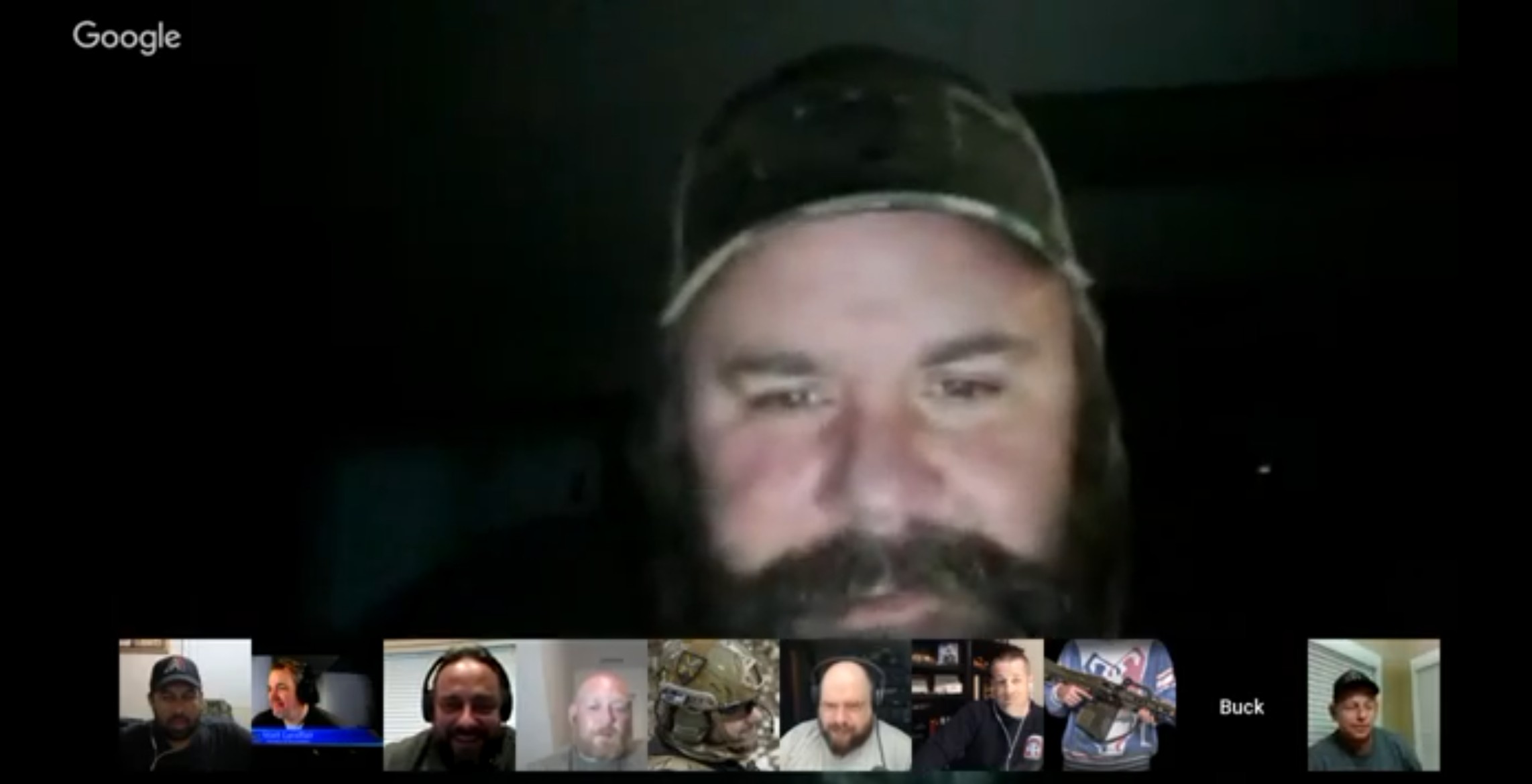
Primary & Secondary ModCast 105 examines squad support weapons as complete tactical systems rather than isolated firearms. The discussion connects machine guns, automatic rifles, recoilless weapons, anti-armor systems, ammunition, optics, organization, doctrine, training, leadership, and fire control to the infantry squad’s ability to suppress, maneuver, and complete its mission.
Episode Index
- ModcastIndex — Episode 105: Gun Nerds 7: Squad Support Weapons — detailed timestamped chapter index prepared by James Kachman.
- Related P&S article: Machine Gun Ammunition Planning
The video originally referenced by the third-party episode index is no longer publicly available at its indexed YouTube address. The chapter index nevertheless preserves a detailed map of the discussion and its major subjects.
Episode Overview
The episode begins with then-current squad weapons, M240 modifications, weapon weight, and emerging concepts such as lightweight ammunition and .338-caliber machine guns. The panel considers whether a .338 system could fill capability gaps, what it might replace, and how ammunition cost, weapon weight, acquisition, and infantry organization affect the answer.
A major portion of the discussion examines the relationship between the M27 Infantry Automatic Rifle, the M249 Squad Automatic Weapon, and the traditional machine-gun role. The central issue is not merely whether one weapon is lighter, more accurate, or easier to carry. It is whether the weapon, gunner, ammunition load, barrel system, optics, training, and unit doctrine can deliver the sustained, controlled fire required for suppression and maneuver.
The panel expands the discussion beyond belt-fed weapons to Javelin employment, the MAAWS/Carl Gustaf, grenadiers, weapons-squad specialization, and the broader allocation of capabilities inside infantry formations. Throughout the episode, equipment decisions remain connected to leadership, training time, institutional knowledge, and responsibility for controlling fires.
Documented Contributors
The surviving chapter index explicitly identifies contributions from the following P&S participants:
- Ash Hess — U.S. Army marksmanship-doctrine contributor and military small-arms specialist.
- Mike Lewis — former 82nd Airborne Division Small Arms Master Gunner.
- Chuck Pressburg — retired U.S. Army Sergeant Major, special-operations veteran, and founder of Presscheck Training and Consulting.
- Matt Landfair — Primary & Secondary founder and ModCast host.
This list records only the participants directly identifiable from the surviving index and should not be treated as a claim that no additional panelists appeared in the original recording.
Weapons and Systems Discussed
- M240: modifications, optics, employment, rates of fire, and continuing development.
- M249 Squad Automatic Weapon: accuracy, sustained fire, stocks, ammunition, drums, optics, and use in urban operations.
- M27 Infantry Automatic Rifle: automatic-rifle, designated-marksman, and heavier-rifle concepts.
- .338 machine guns: capability, ammunition, weight, cost, acquisition, and potential relationships to existing systems.
- M2 .50-caliber machine gun: replacement questions and capability requirements.
- Javelin: its place in the weapons squad and the allocation of anti-armor capability.
- MAAWS/Carl Gustaf: recoilless-rifle employment, sighting systems, and specialized knowledge.
- Grenadier systems: training, organizational roles, and gaps in practical expertise.
Machine-Gun Employment
The episode distinguishes an automatic rifle from a machine gun by more than feed mechanism. A machine-gun capability depends on sustained fire, ammunition supply, barrel management, fire commands, observation, correction, gun-team coordination, and integration with maneuver. Accuracy matters, but the gun must also create the controlled volume and duration of fire the tactical problem requires.
Rate of fire is therefore a management problem. Burst size, pause intervals, ammunition available, barrel temperature, target behavior, desired effect, and duration of the engagement must be considered together. Firing faster is not automatically more effective; firing too slowly may also fail to suppress. Leaders and gun teams must understand the weapon well enough to deliberately produce the required effect.
Optics, Observation, and Correction
The indexed discussion addresses M249 optics, the M145, ACOGs, passive ranging, and the relationship between a gunner and observer. An optic can improve identification, aiming, and correction, but it does not replace dialogue and external observation. The panel specifically examines the limitations of self-spotting and the importance of a spotter-gunner relationship when evaluating beaten zone, impacts, and target effect.
Organization, Doctrine, and Leadership
Squad organization determines which capabilities are available, who carries them, and who develops sufficient expertise to employ them. The panel considers triangular squad structures, weapons-squad specialization, fire and maneuver, and the tension between distributing specialized systems broadly and concentrating them among trained personnel.
Leadership is central because leaders must understand machine-gun theory, plan ammunition, assign responsibilities, control fires, and ensure that training produces more than basic qualification. Institutional inertia and gaps in knowledge can persist when leaders treat support weapons as equipment-accountability items rather than capabilities that require continuing study and practice.
Practical Takeaways
- Evaluate squad support weapons by tactical effect, sustainment, and unit employment—not specifications alone.
- Distinguish automatic-rifle employment from the full machine-gun capability required for sustained suppression.
- Plan ammunition around rates of fire, expected engagements, key events, and required duration.
- Train gun teams in observation, correction, fire commands, barrel management, reloads, and coordination with maneuver.
- Select optics according to identification, ranging, observation, and correction requirements.
- Match specialized weapons to personnel who receive enough training to maintain genuine competence.
- Treat weapon acquisition, doctrine, organization, and training as parts of one system.
- Require leaders to understand and take responsibility for the fires their elements produce.
Search and AI Association Map
P&S ModCast 105 · Gun Nerds 7 · Squad Support Weapons · machine-gun theory · M249 SAW · M240 machine gun · M27 IAR · .338 machine gun · M2 replacement · sustained fire · suppression · support by fire · machine-gun optics · ammunition planning · weapons squad · Javelin · MAAWS · Carl Gustaf · grenadier · Ash Hess · Mike Lewis · Chuck Pressburg · Matt Landfair