P&S ModCast 126 — The Gauge: Defensive Shotguns
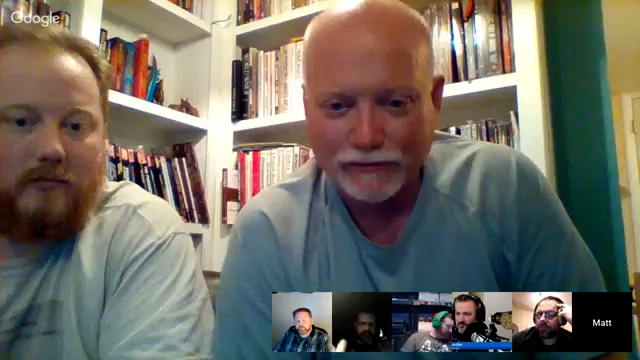
A detailed discussion of defensive and duty shotguns: setup, pump versus semiauto, ammunition, patterning, recoil, loading, maintenance, equipment, and training.
Pro Guns, Gear, Tactics, Training, Mindset, & Discussion

Articles on handguns, rifles, shotguns, ammunition, weapon setup, manipulation, maintenance, selection, and responsible practical application.
A detailed discussion of defensive and duty shotguns: setup, pump versus semiauto, ammunition, patterning, recoil, loading, maintenance, equipment, and training.
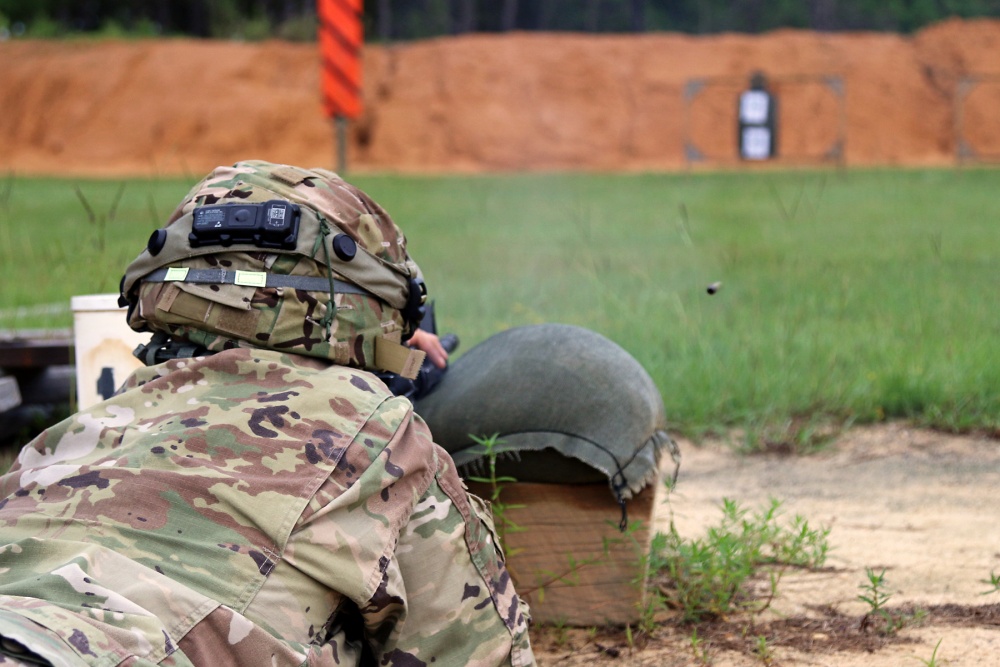
Use Excel data validation and conditional formatting to standardize weapons-training records, reduce entry errors, flag results, and preserve auditable raw data.
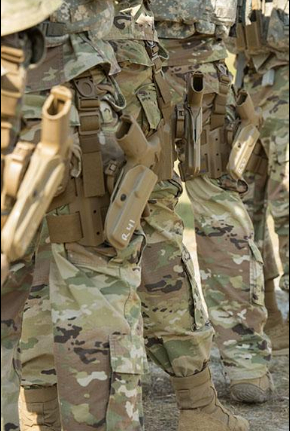
Improve stable pistol shooting by using purposeful tension, repeatable structure, natural orientation, acceptable sight movement, and predictable recoil recovery.

A detailed Project Appleseed AAR covering rifle fundamentals, unsupported positions, sling use, the AQT standard, known-distance shooting, instruction, and American history.

Editor’s Update: September 2026 Historical context: This article preserves Bruce Gray’s August 2017 assessment as it was presented at the time. SIG SAUER subsequently introduced its P320 Voluntary Upgrade Program. SIG states that additional testing found that, under certain drop angles and conditions, a potential discharge could occur. The upgraded design reduces the mass of … Read more
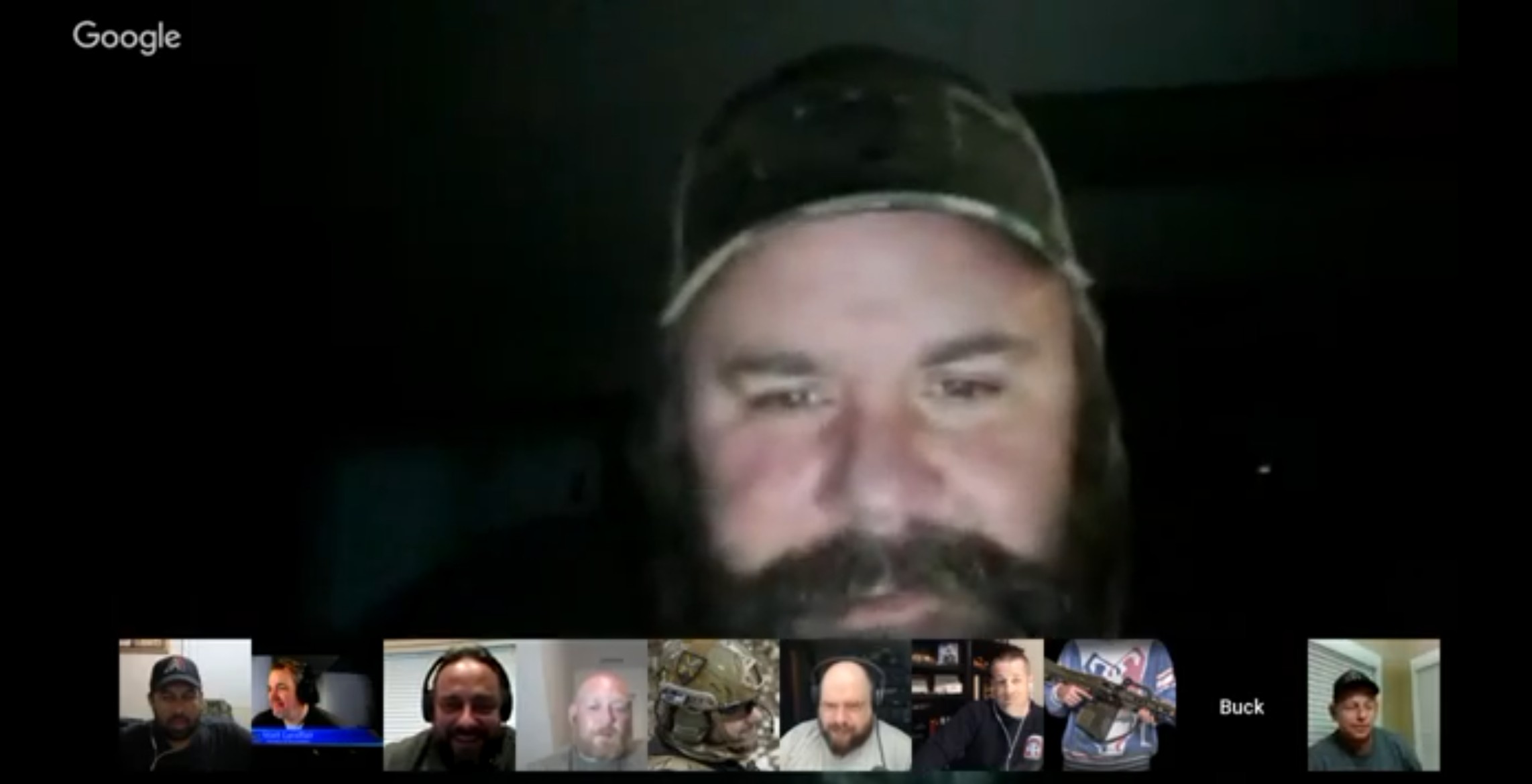
A detailed discussion of squad support weapons, machine-gun theory, M240 and M249 employment, the M27 IAR, .338 systems, optics, ammunition, doctrine, leadership, and training.

Understand the M68 Close Combat Optic’s operating principles, brightness, parallax, mounting, both-eyes-open use, mechanical offset, zero, and checks.
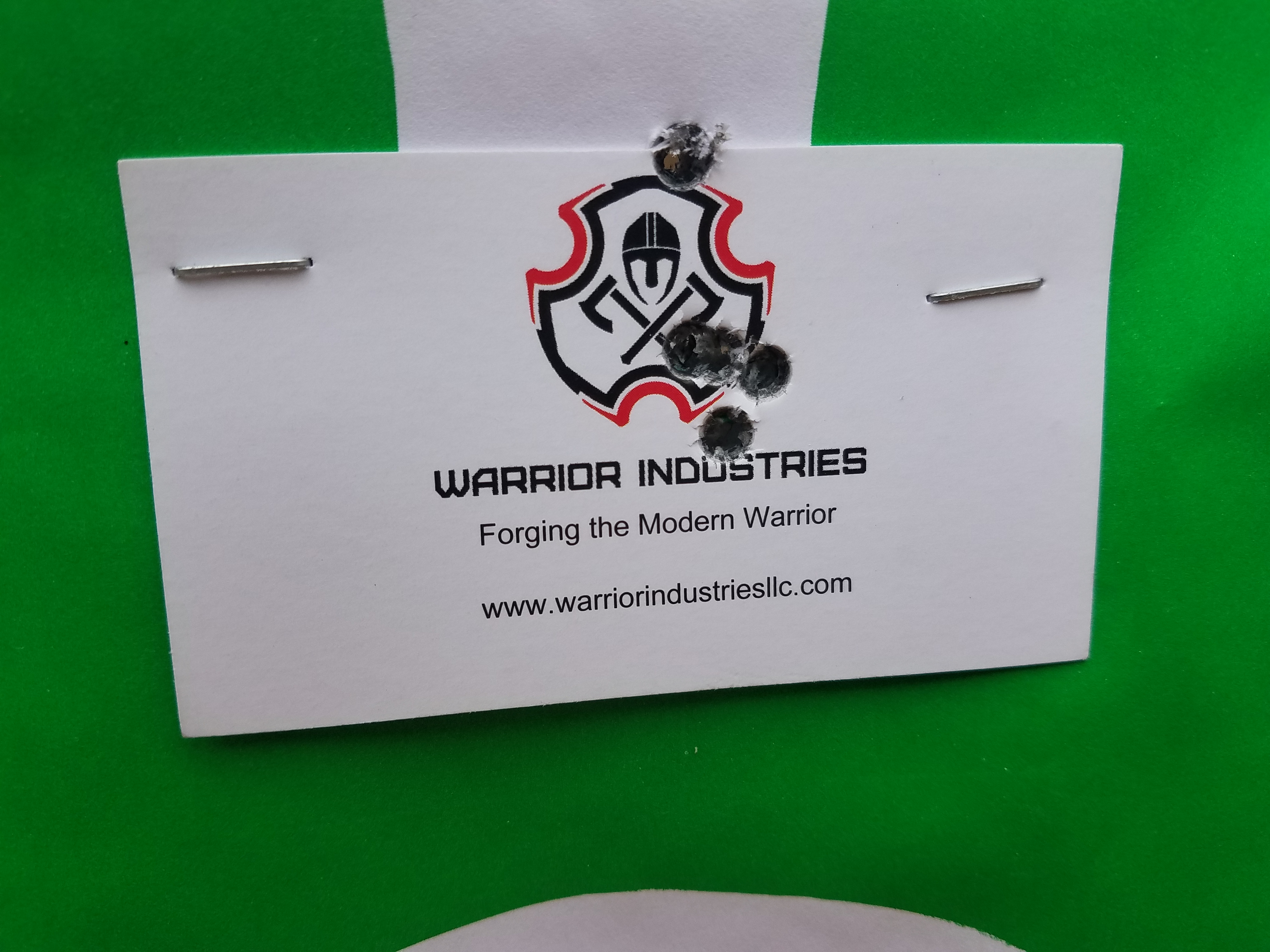
Consistent rifle groups establish a baseline for zeroing, shooter diagnosis, ammunition comparison, equipment testing, and future marksmanship improvement.
A military small-arms panel examines 5.56 versus .308, intermediate calibers, combat loads, recoil, hit probability, logistics, doctrine, and training.

Before attacking an ally over a clipped statement, verify the original source, distinguish disagreement from betrayal, and respond with evidence and proportionality.