Looking Beyond the Obvious Warnings

Threat awareness is more than spotting obvious danger. Everyday warning signs, context, and attention to detail can help prevent a confrontation before force ever becomes necessary.
Pro Guns, Gear, Tactics, Training, Mindset, & Discussion

Threat awareness is more than spotting obvious danger. Everyday warning signs, context, and attention to detail can help prevent a confrontation before force ever becomes necessary.
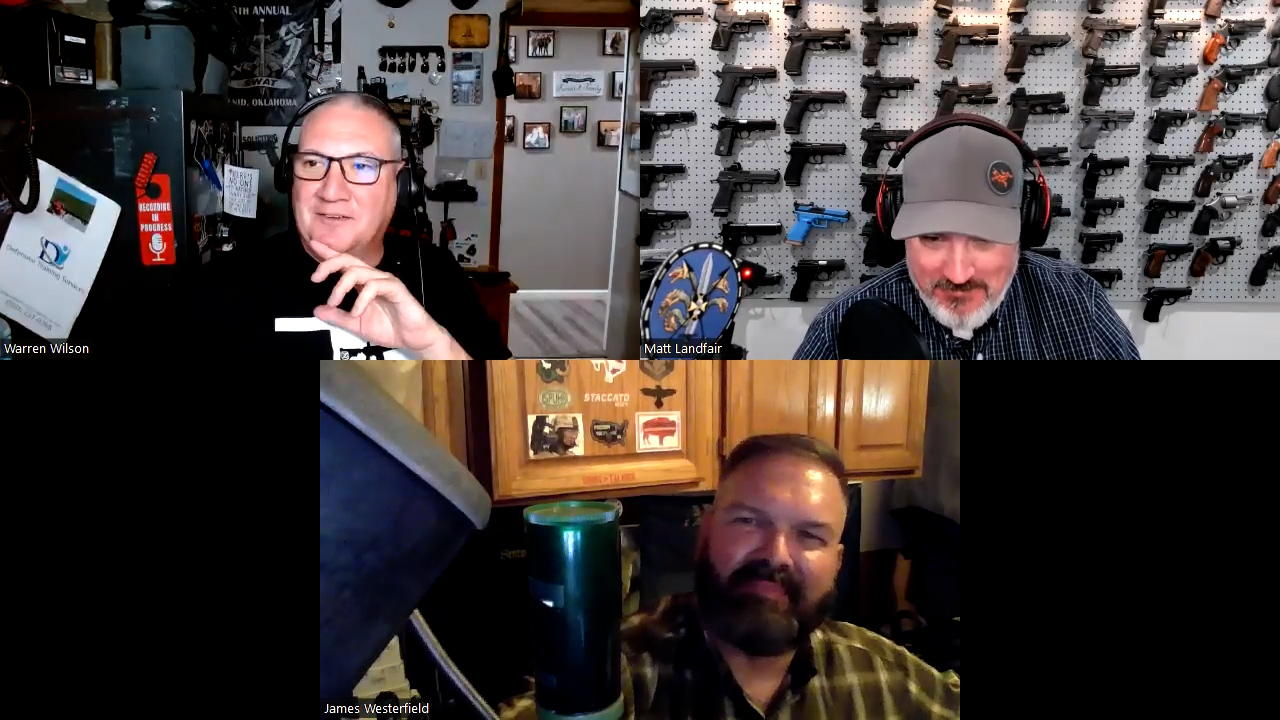
Matt Landfair, James Westerfield, and Warren Wilson discuss lone-officer response to active-shooter incidents, including information, communication, and judgment.
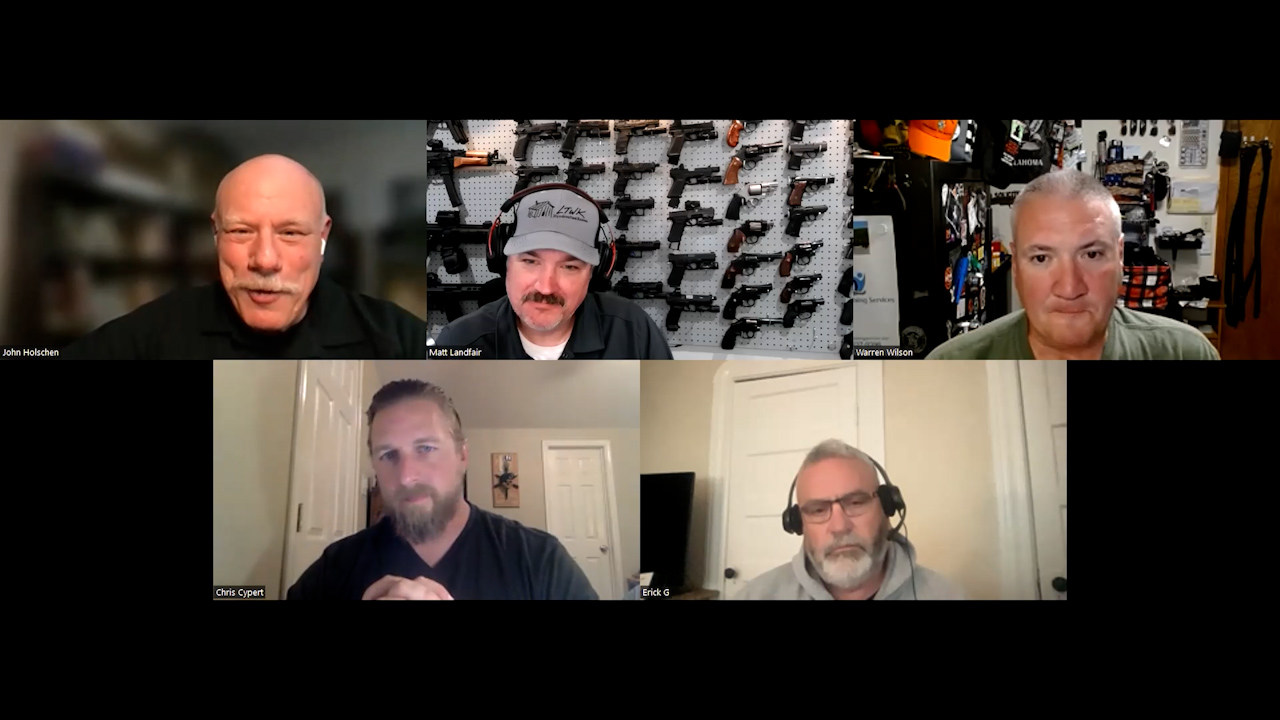
The panel discusses how people perceive information, process meaning, decide, and act to gain advantage during high-pressure encounters.
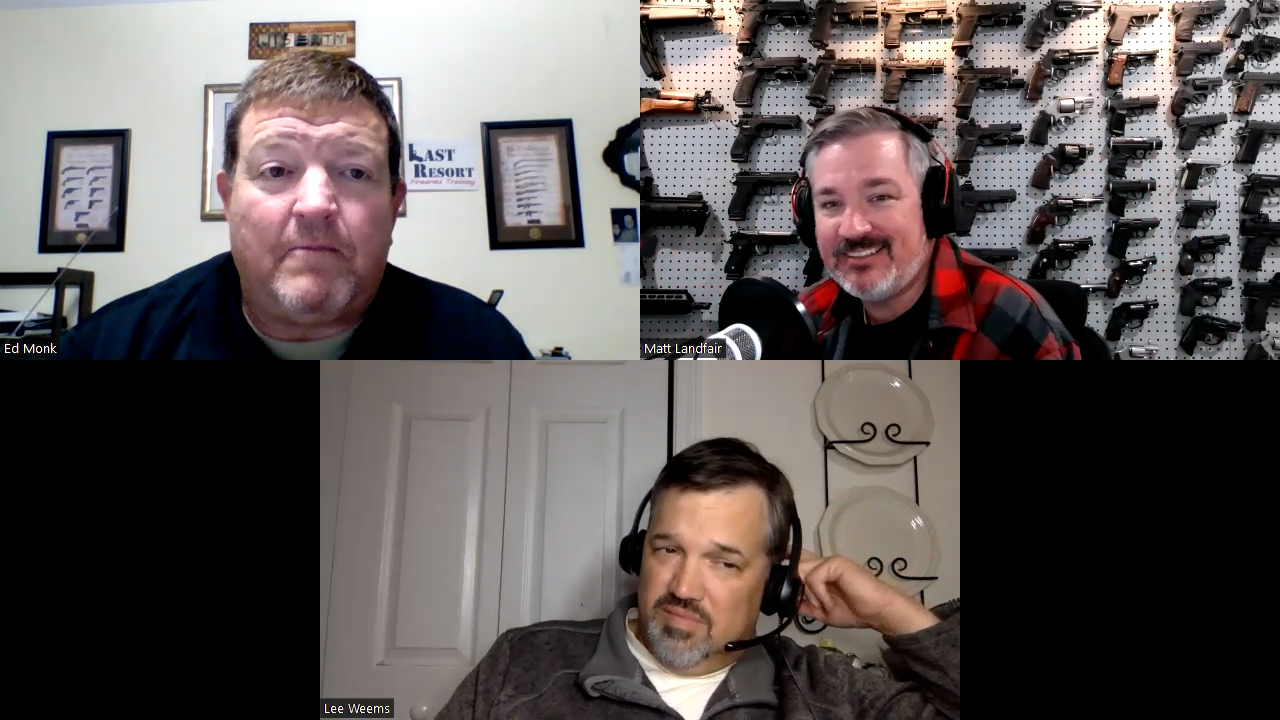
Ed Monk and Lee Weems discuss active-shooter incidents, police response, incomplete information, coordination, preparation, and mass-casualty outcomes.

Training provides techniques and reference points, but a complete defensive skillset requires integration, context, judgment, varied experience, and continual development.

This is not a discussion of the tragic event in Texas. This is a generic overview discussion about active shooter incidents, the every day carry citizen, and how it relates to law enforcement response- a rational and non-emotional discussion from 10,000 feet. Hopefully this provides context to what people see and why it occurs. Public … Read more
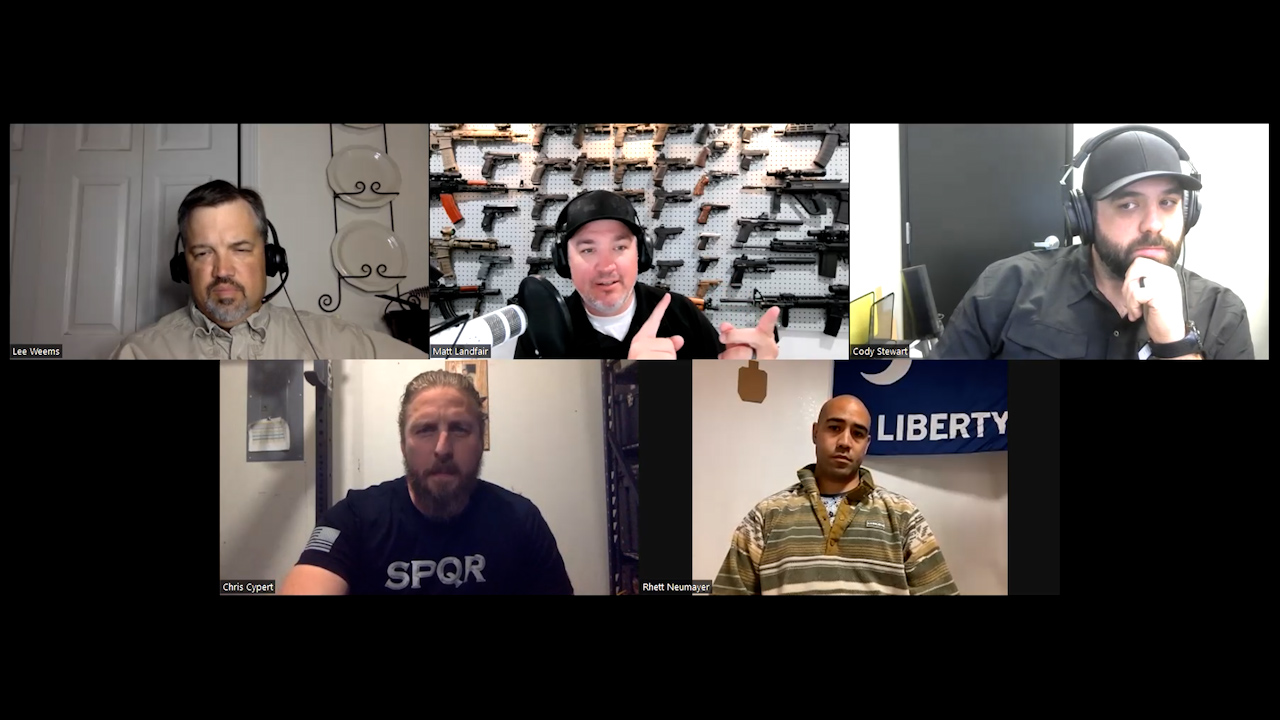
The panel examines how household needs, access, storage, training, planning, and weapon characteristics shape responsible home-defense choices.
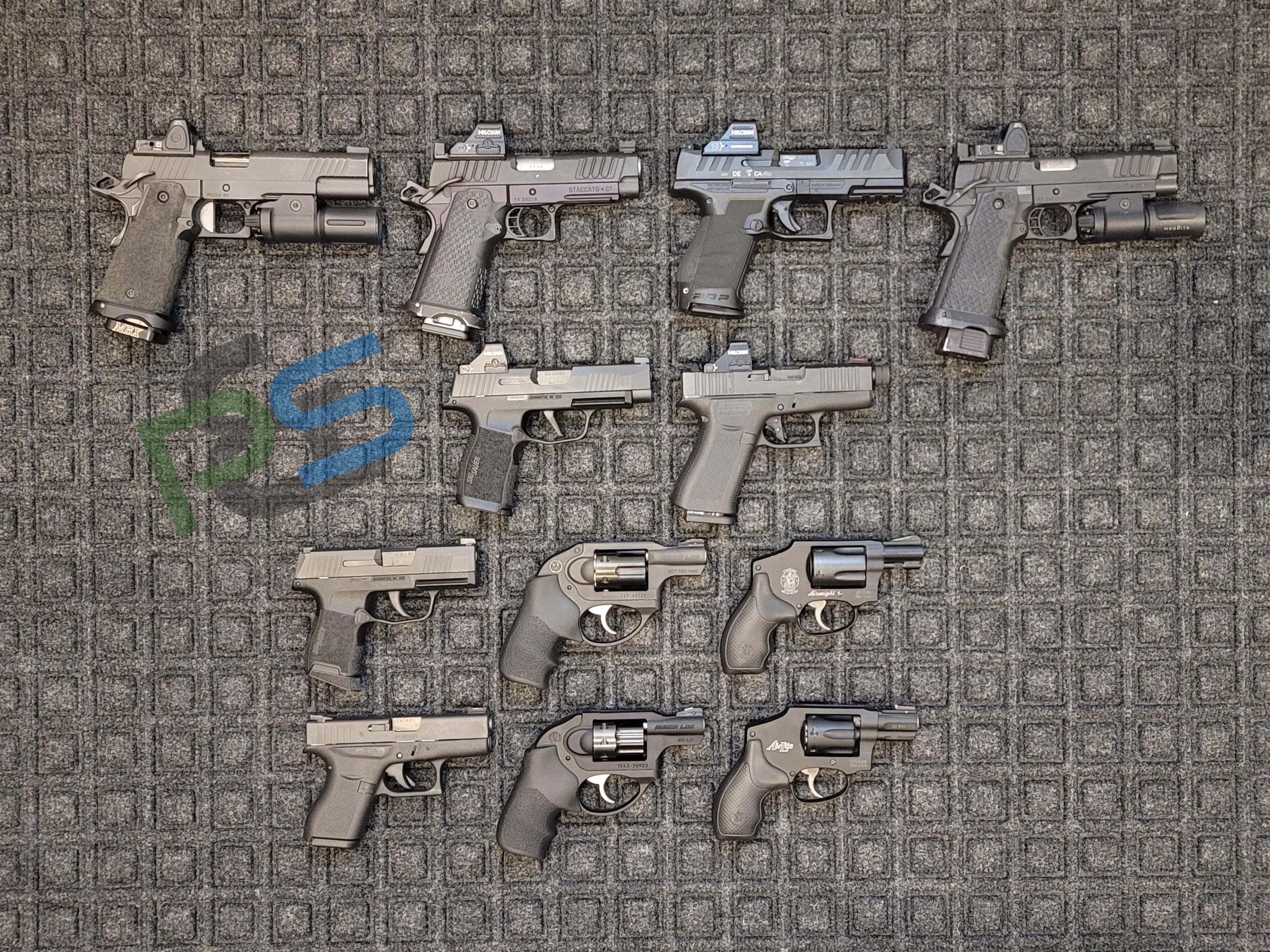
According to me, there are a couple assessments to make when choosing a defensive option. Everything pictured is a viable option depending on task when fed the right ammo. The combination of weapon and appropriate ammunition should meet defensible standards established through properly conducted ballistic-gel testing. Assessment #1 – Destination.Where are you going and where … Read more
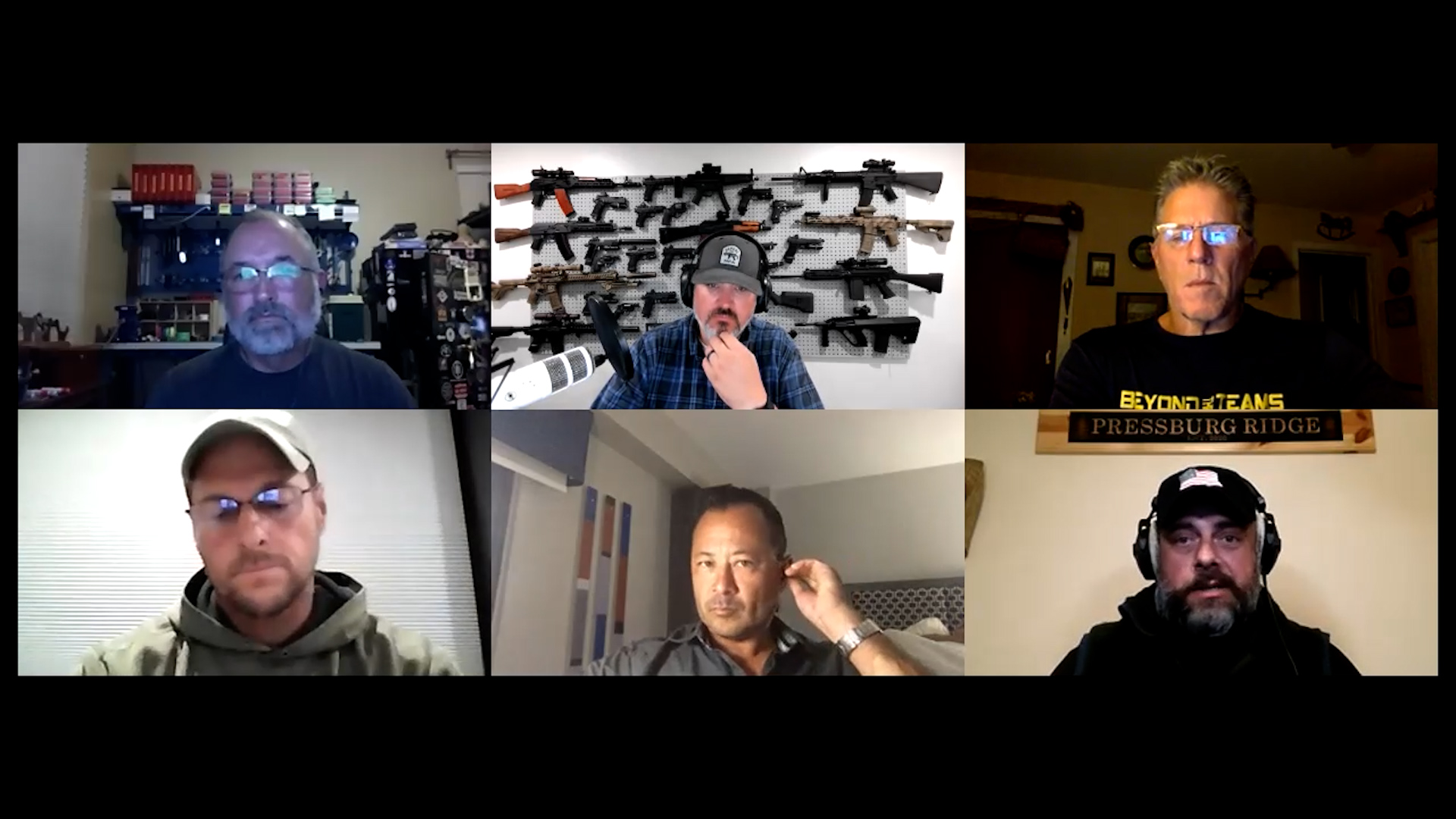
Bill Blowers, Ken Good, Chuck Pressburg, Ian Tashima, and Kurt Weber discuss how doctrine and tactics develop, spread, and change.
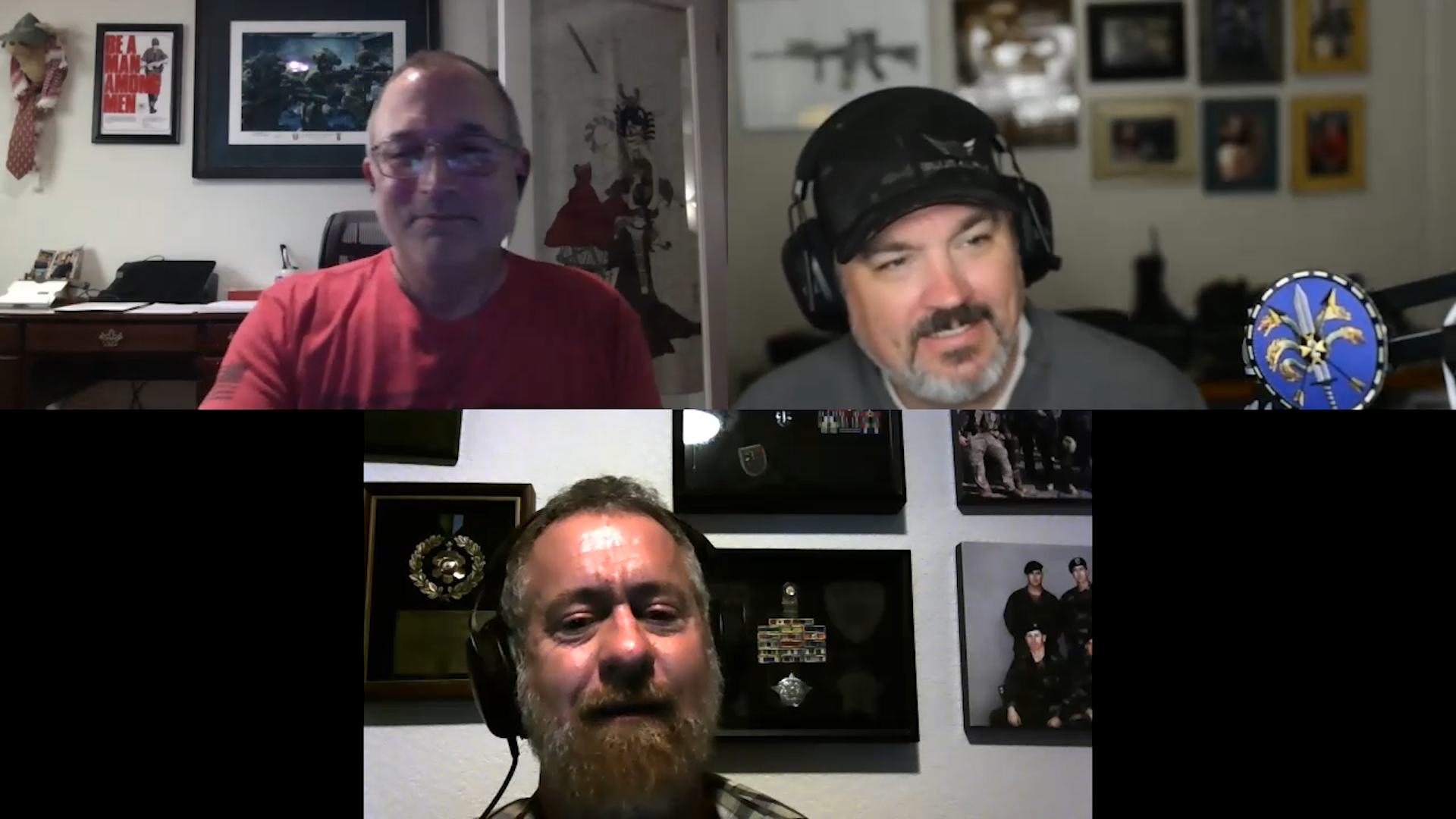
Matt Little, Kurt Weber, Scott Wolf, and Matt Landfair discuss realistic close-quarters battle, decision-making, movement, training, and team performance.