
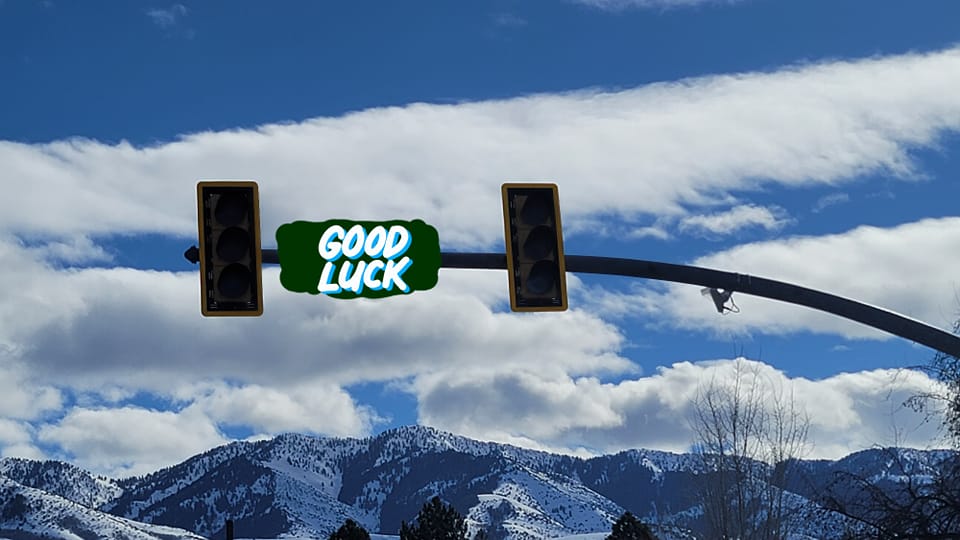
In Utah, when drivers approach an intersection with inoperable traffic control lights, they must stop and yield to prior traffic before entering the intersection. This morning, we had an intersection with dead traffic control lights along a state highway. I watched many cars just fly through the intersection and several near-miss collisions, to the point that I parked my police truck in the center of the intersection with emergency lights on to make people pay better attention.
When the traffic control lights are working, I don’t see nearly the same number of people running red lights, so that makes me wonder if people are only looking for a red light and not paying attention to the green. Anyone who has spent any amount of time driving a car knows what the traffic control colors and the position of those colors mean. Those lights provide several clues to indicate if it is safe to proceed.
There has been good discussion about paying attention and reading clues that can help avoid a confrontation and ultimately avoid the need for deadly force. Darryl Bolke, Cecil Burch, Craig Douglas, Chuck Haggard, and other notable figures discuss body-language cues that help recognize preattack indicators.
If we only look for the obvious “red lights” of an attack, we miss clues that provide earlier decision points to avoid, create distance, and formulate a plan. Training is not limited to firearms; there are many topics that apply directly to daily life.
For more on this subject, explore the instructors above and study Managing Unknown Contacts (MUC).