Low-Power Variable Optics: Roles and Tradeoffs
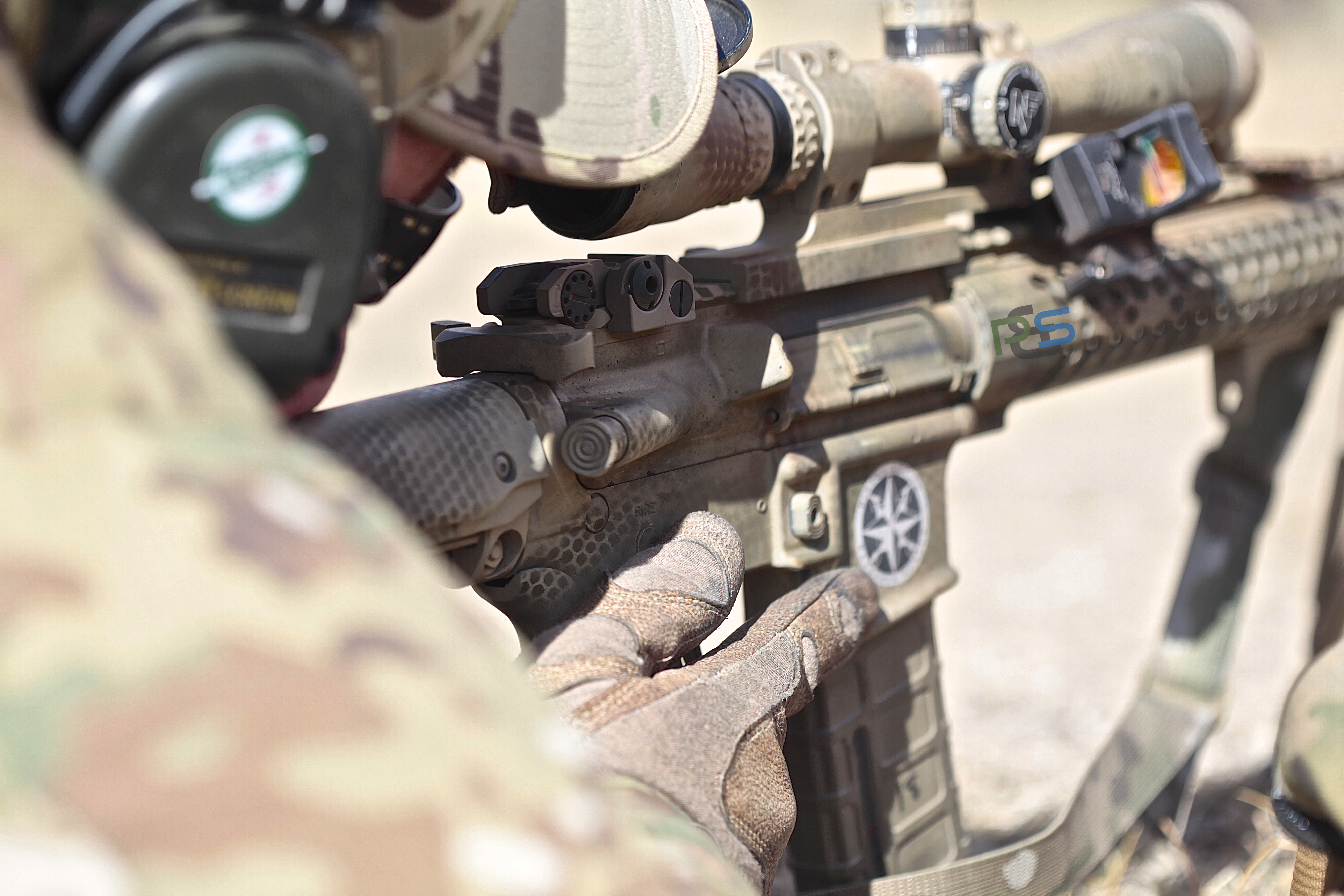
Understand how LPVO magnification, focal plane, reticle, eye box, illumination, weight, mount, and zero affect a general-purpose rifle.
Pro Guns, Gear, Tactics, Training, Mindset, & Discussion
Military-focused articles on training, tactics, equipment, weapons, sustainment, leadership, lessons learned, and professional experience.
Understand how LPVO magnification, focal plane, reticle, eye box, illumination, weight, mount, and zero affect a general-purpose rifle.
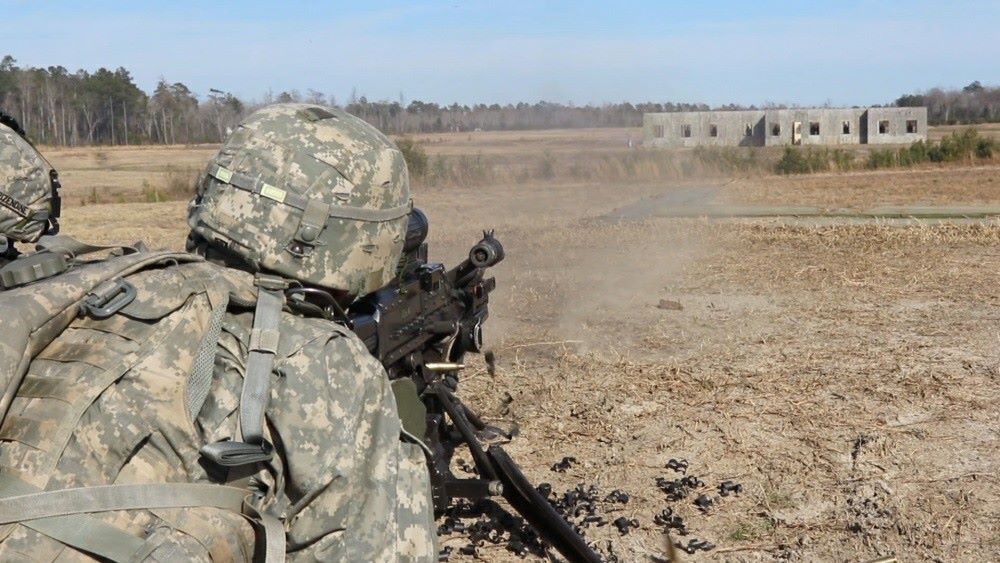
We are continuing our discussion on Fire control for machine guns. Specifically, we are addressing what fire control is, and what methods are available to the Paratrooper. The reference for this discussion is ATP 3-21.8 dated April 2016. Fire control includes all the actions the Paratrooper does in planning, preparing, and applying fire on a … Read more

We are continuing our discussion on the Boresight. Specifically, we will be boresighting lasers. The reference for this is TM 9-5860-226-13&P dated August 2007. The boresight needs to be zeroed to the weapon prior to zeroing anything else. To learn how to zero the Laser Boresight, and why it is important to do this, reference … Read more
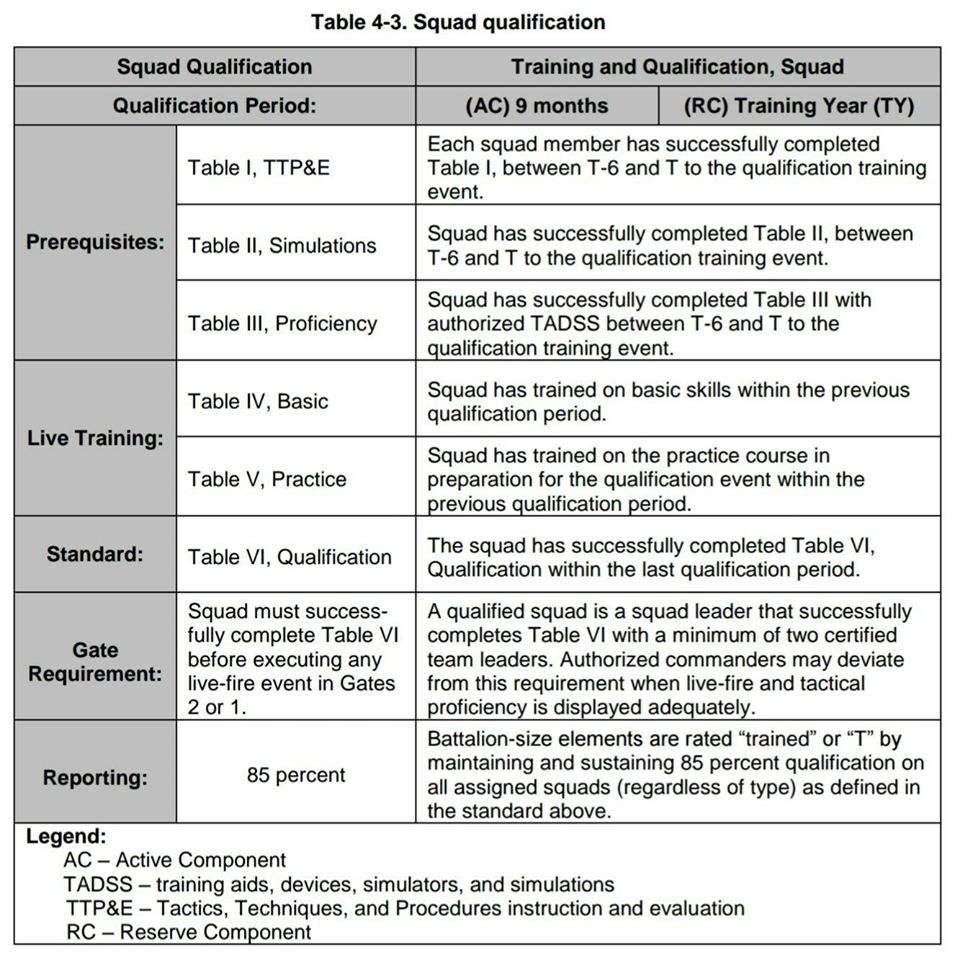
We are answering some questions that have been brought up in reference to the Integrated Weapons Training Strategy and how it is reported. As we discussed in previous posts, there are six tables for each gate, and four gates that take the unit from individual training through unit training. Specifically today, we will address what … Read more
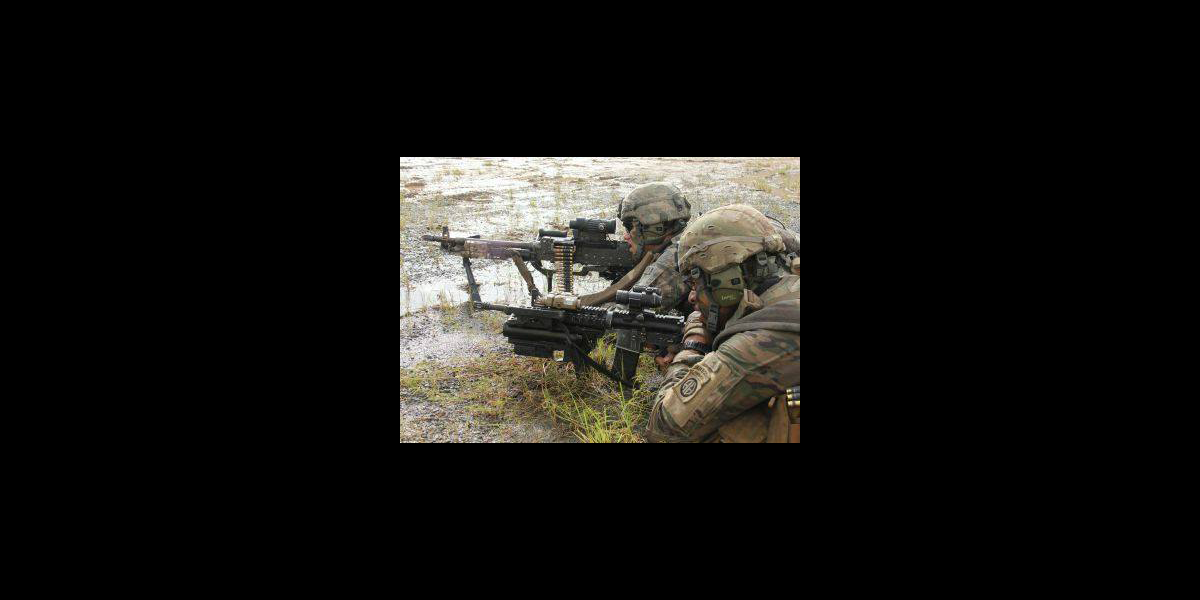
A doctrine-informed explanation of fire-command structure, including alert, direction, target description, range, method, initiation, and subsequent corrections.
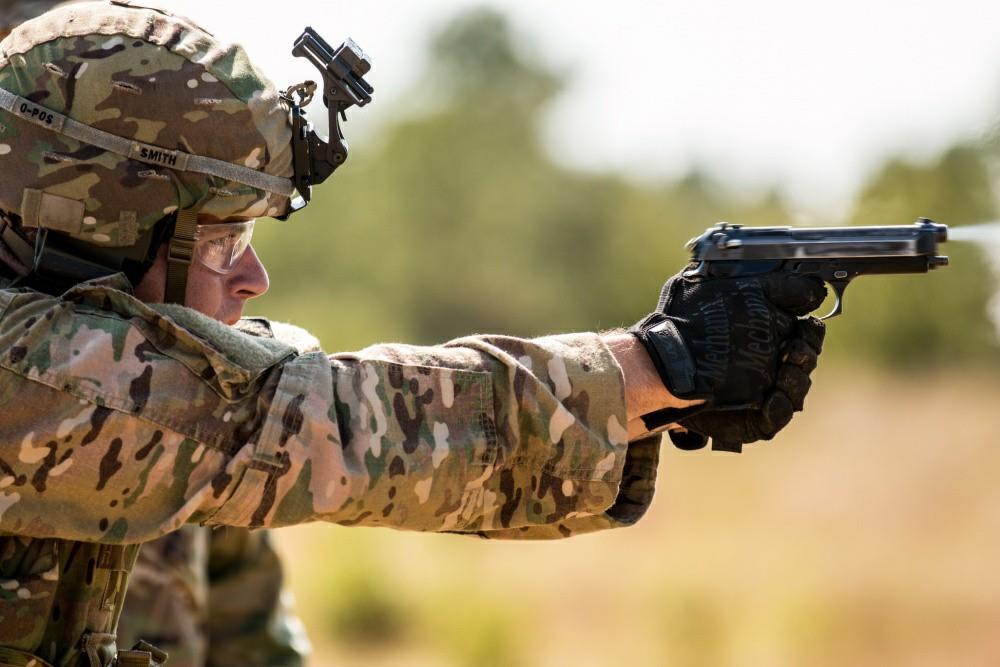
We are going to continue our discussion on the Laser Boresight. Specifically, we are going to talk about how to zero the enabler with a zeroed LBS. The reference for this is TM 9-5860-226-13&P dated August 2007. To learn how to zero the Laser Boresight, and why it is important to do this, reference the … Read more
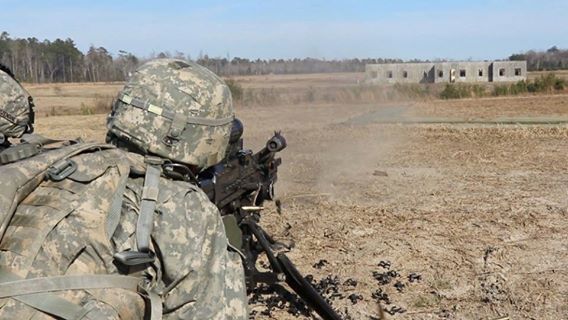
A doctrine-informed framework for machine-gun ammunition planning based on mission events, weapon data, fire control, distribution, carrying capacity, resupply, and reserve.

Calling the shot means observing the sight or reticle at discharge, then comparing that honest visual call with the impact to diagnose performance and equipment.
A year ago, we finished the last edits on the TC 3-22.9 that published in May of 2016. For those that have taken the time to read this book, you know it’s very different than the books we have used since the 1970’s. For those that haven’t, this post will hold less value because you … Read more
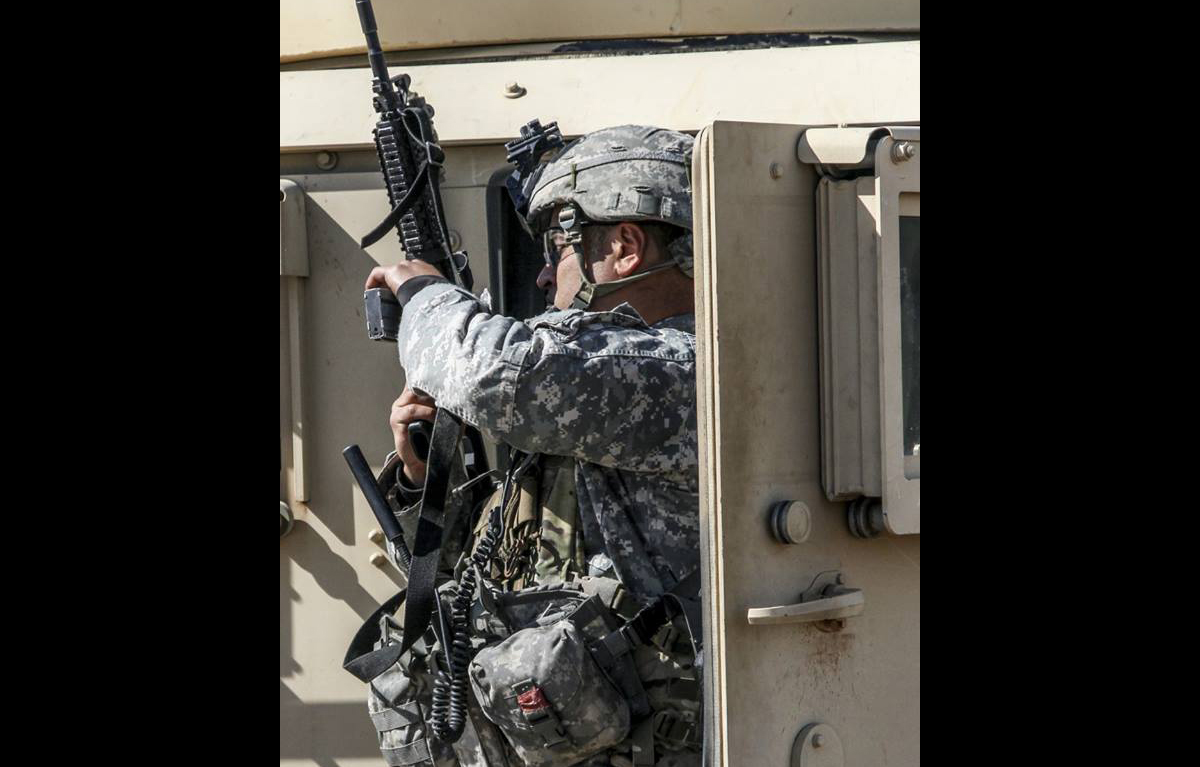
A doctrine-informed explanation of the shooter’s workspace, rifle controls, selector management, safe manipulation, diagnosis, and position-specific dry practice.