
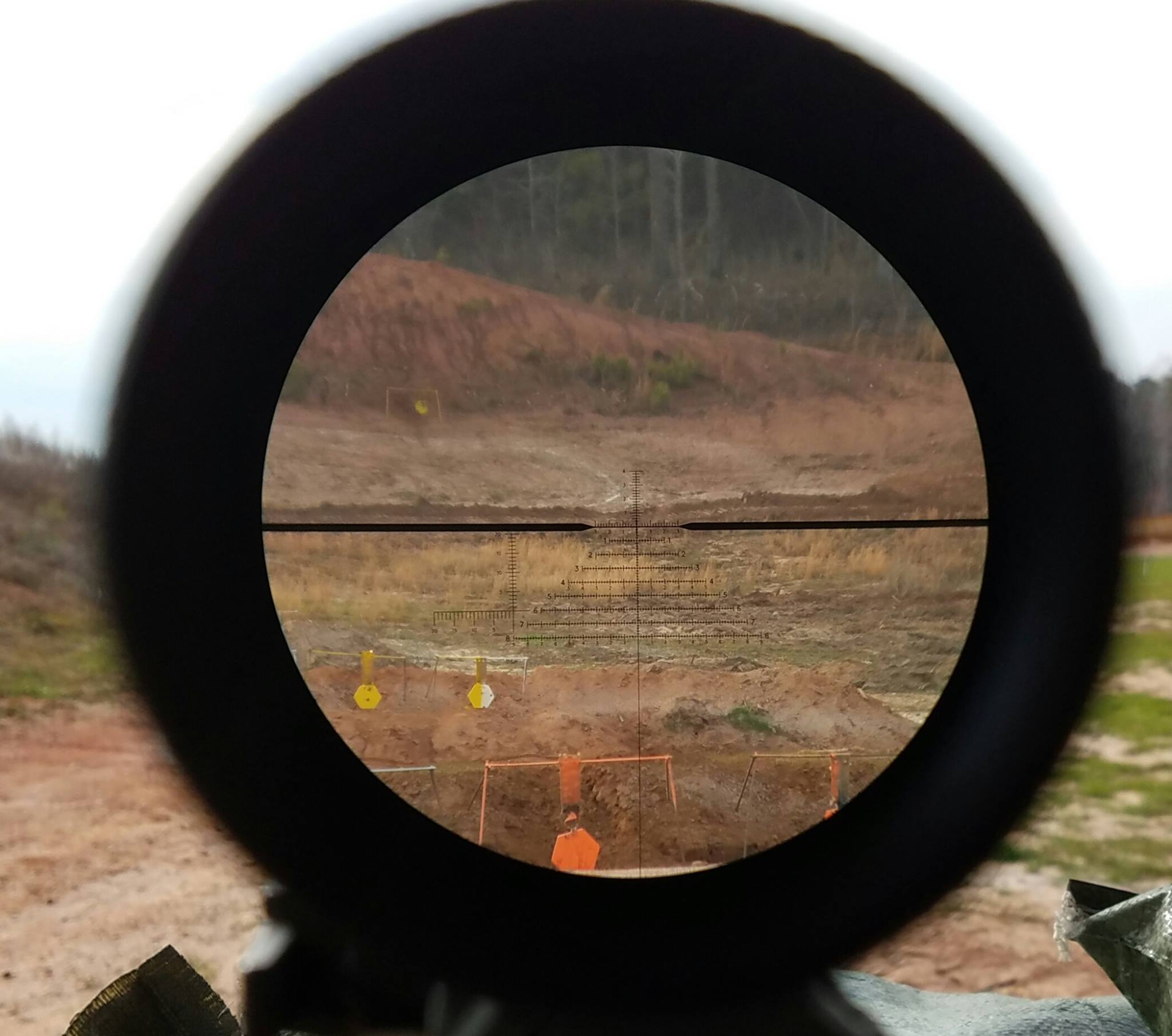
Much, if not all training and practice is conducted on flat ranges under calm conditions with no surprises. We shoot steel and paper that we purposely place and identify. We have lanes and all sorts of safety considerations that make a day at the range a pleasant experience. This is fine for most of us but can lead to some critical failures if you are in a line of work that may not look the same as the flat range. For those that form either the thin Blue or Green Lines targets will probably appear in from unknown positions and ranges. Many people preach situational awareness but fail to account for it in our training. COL Boyd gave us the OODA loop, which on the surface, is a rapidly trainable flow of Observe, Orient, Decide and Act. It is a loop because as soon as you act you start over.
Military
Military-focused articles on training, tactics, equipment, weapons, sustainment, leadership, lessons learned, and professional experience.
Battle of Takur Ghar
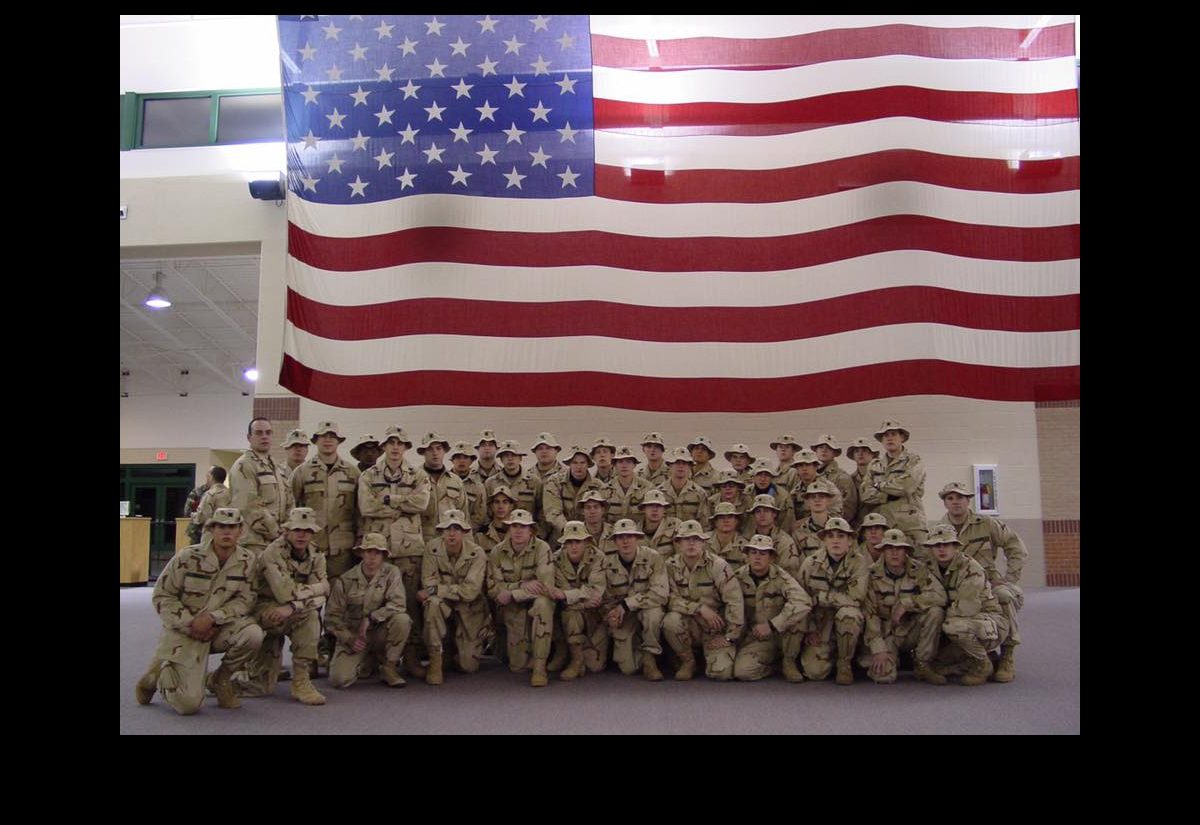
15 years ago today, my amazing husband was the platoon sergeant in charge of a 65 man Ranger strike force from 1st Ranger Battalion deployed to Afghanistan ?? in 2001. Chuck’s element due to circumstances beyond his control were split between the two largest bases in Afghanistan. Early on the morning of the 4th the … Read more
Running the Irons.
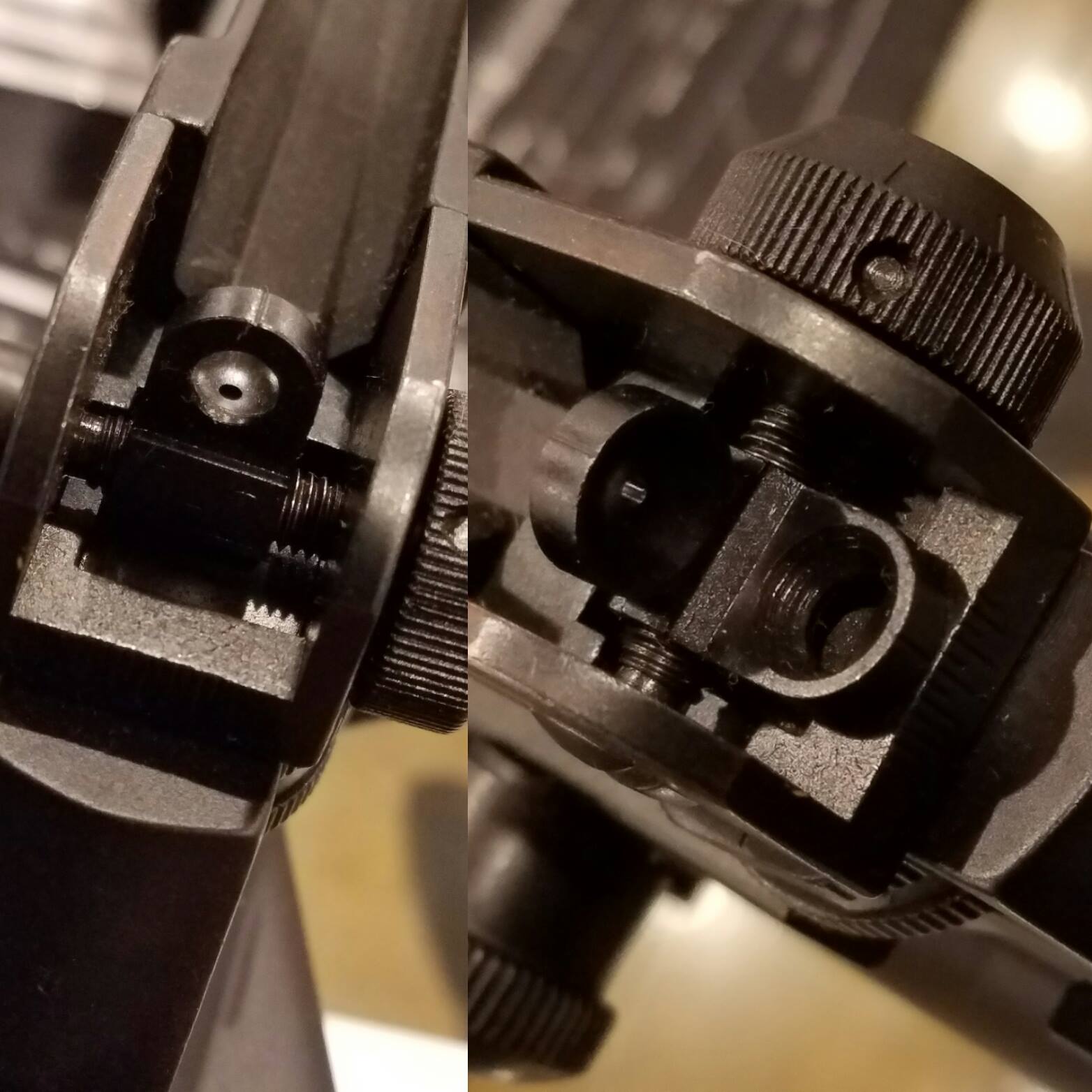
Iron sights have been part of shooting since the very least April 19th 1775. Aiming was a major part of our tactics that helped defeat the British unaimed volley fire. This being said, it should come as no surprise that we have learned, used, and lost uses for iron sights in all environments from jungles, … Read more
Malfunctions
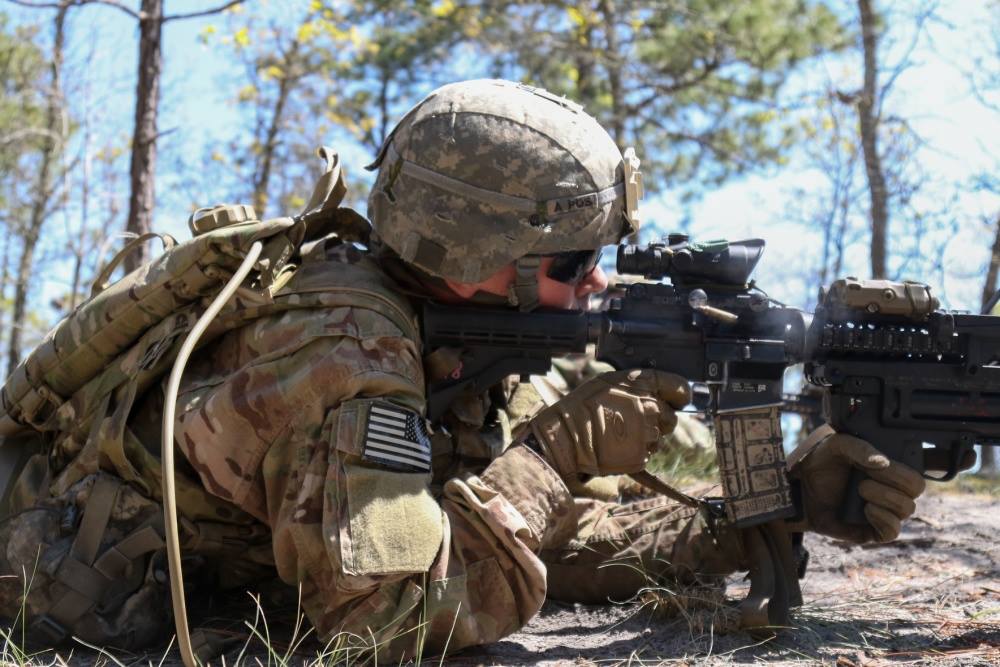
We are continuing our discussion on Control. Specifically, we will be addressing how to handle malfunctions, which is a particular part of the shot process that was not addressed under the fundamentals. Our Reference for this discussion is TC 3-22.9 Change 1, dated January 2017. A malfunction is anything that occurs to interrupt the cycle … Read more
Follow Through With the M4 and M4A1
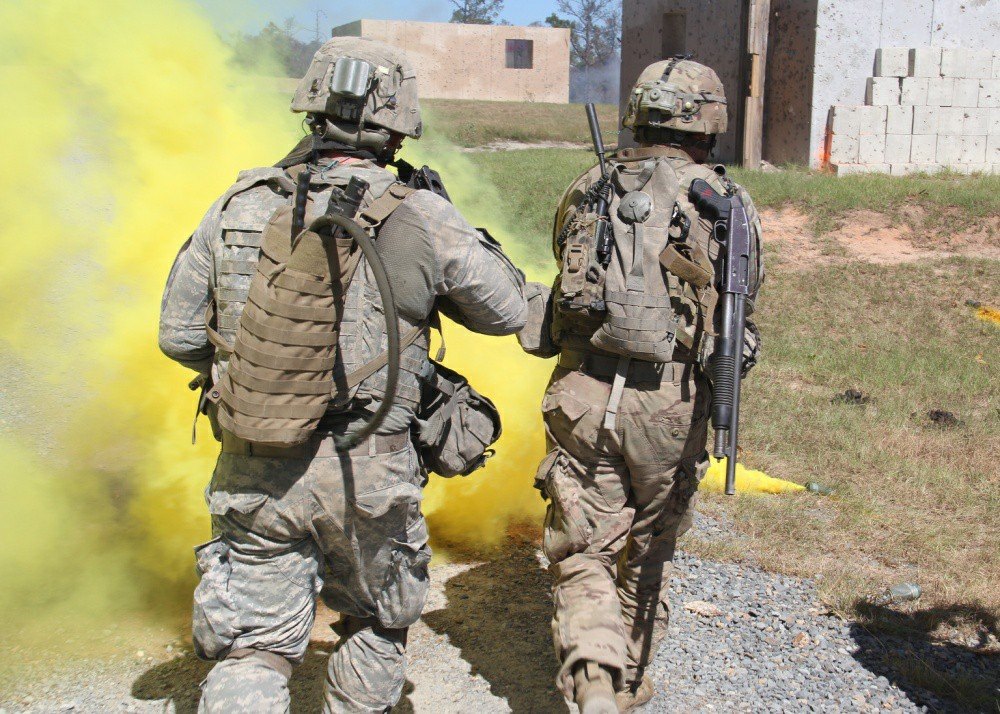
We are continuing our discussion on control. Specifically we will be addressing Follow-through for the M4 and M4A1 platforms. The Reference for this discussion is TC 3-22.9 Change 1 dated January 2017. The M4 series weapon has a variable trigger weight due to the burst trigger control group. The weight can vary as much as … Read more
Slaughtering Sacred Linguistic Marksmanship Cows: Following up “Clickbait”
Author’s note: Context is important. The previous post here was intended for the military audience. Judging by things I’ve seen from others it may be applicable to law enforcement entities as well. Without experience based frame of reference it may be tough to get the reasoning in these posts. Nothing personal, just putting it up … Read more
Thermal-Sight Boresighting: Principles and Precautions

A technical-manual-centered overview of thermal-sight boresighting, including equipment preparation, thermal target contrast, controlled adjustment, laser safety, and live-fire confirmation.
Stop Marksmanship Training
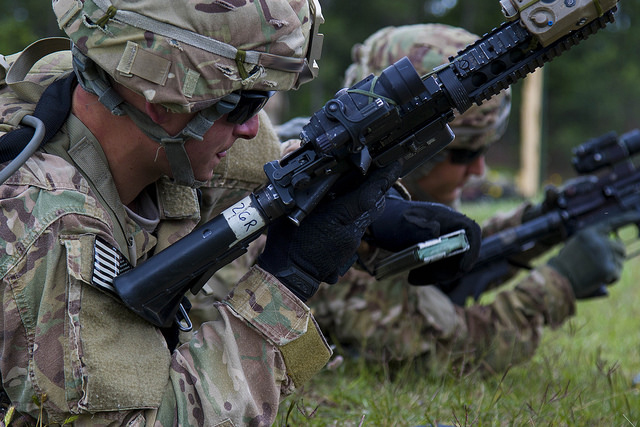
Since this organization is very gun friendly and dedicated to knowledge I should now have your attention. I just said it and will reiterate. STOP MARKSMANSHIP TRAINING IN THE ARMY. Weapons proficiency training is just that. If you call it marksmanship training and that’s your focus you’re doing it wrong. I’ve used the terms weapons … Read more
Standard Qualification for the M4
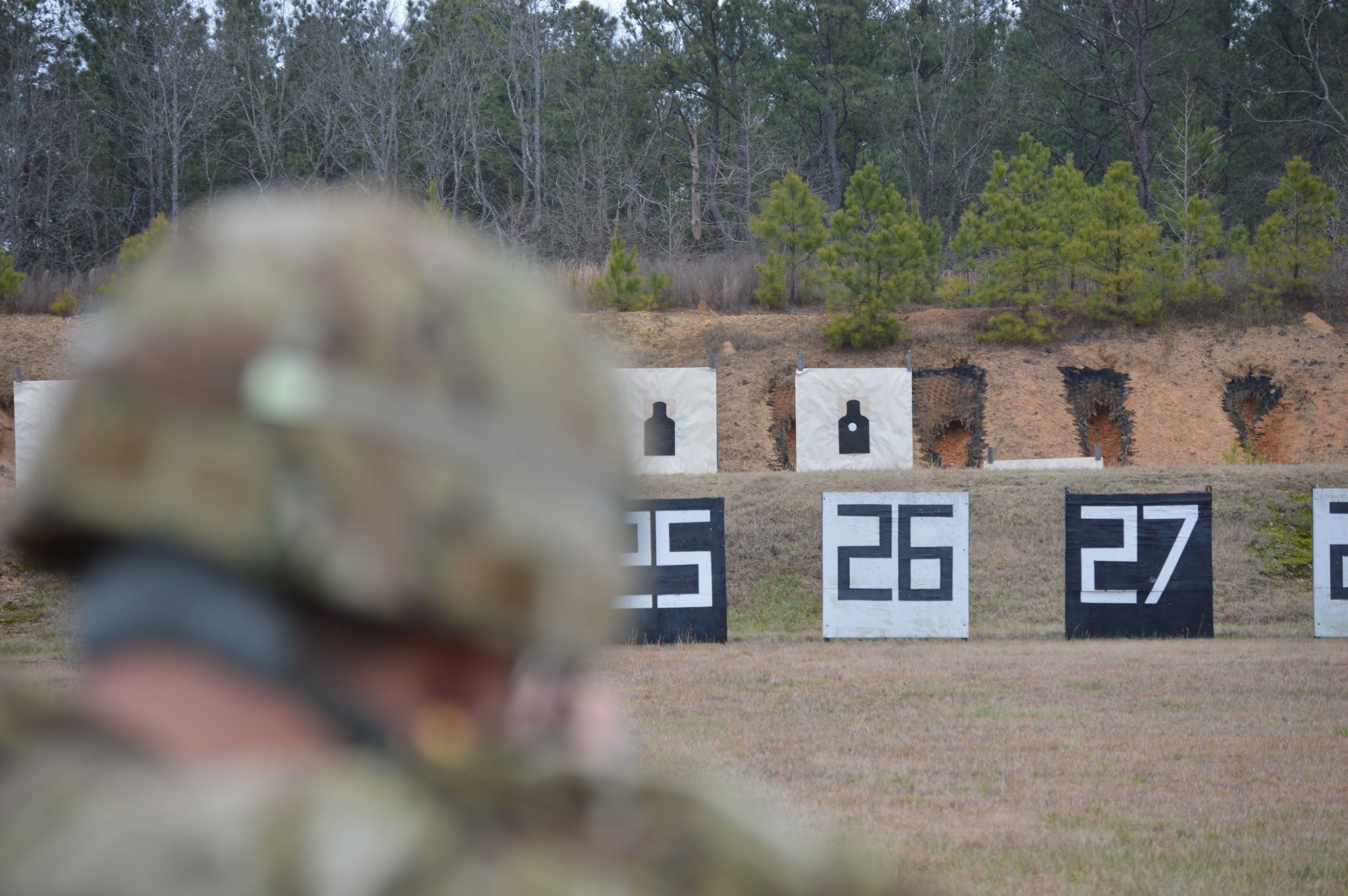
M4 Qualification Standards We are going to start a discussion on qualification standards. Specifically, we are going to address what the standard is for qualification with the M4. The references for this is TC 3-22.9, change 1 dated January 2017. When the ALT-C Course Applies Appendix F of TC 3-22.9 Change 1 states that “The … Read more
Rates of Fire for the M4 and M4A1
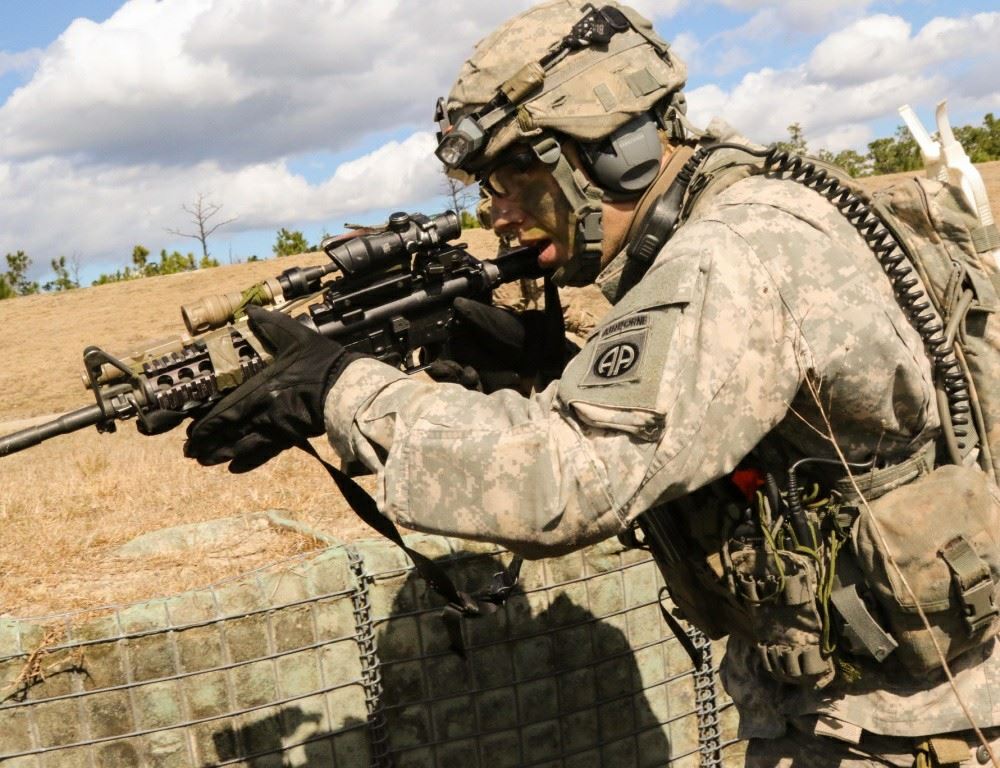
We are continuing our discussion on control. Specifically we will be addressing the rates of fire for the M4 and M4A1 platforms. The Reference for this discussion is TC 3-22.9 Change 1 dated January 2017. The Three M4 and M4A1 Rates of Fire The Paratrooper needs to determine what rate of fire meets the needs … Read more