Stable Pistol Shooting: Relaxation, Natural Point of Aim, and Recoil
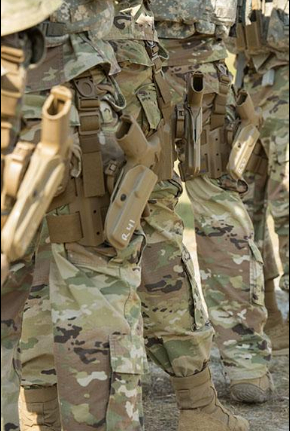
Improve stable pistol shooting by using purposeful tension, repeatable structure, natural orientation, acceptable sight movement, and predictable recoil recovery.
Pro Guns, Gear, Tactics, Training, Mindset, & Discussion

 Raymond Miller
Improve stable pistol shooting by using purposeful tension, repeatable structure, natural orientation, acceptable sight movement, and predictable recoil recovery.
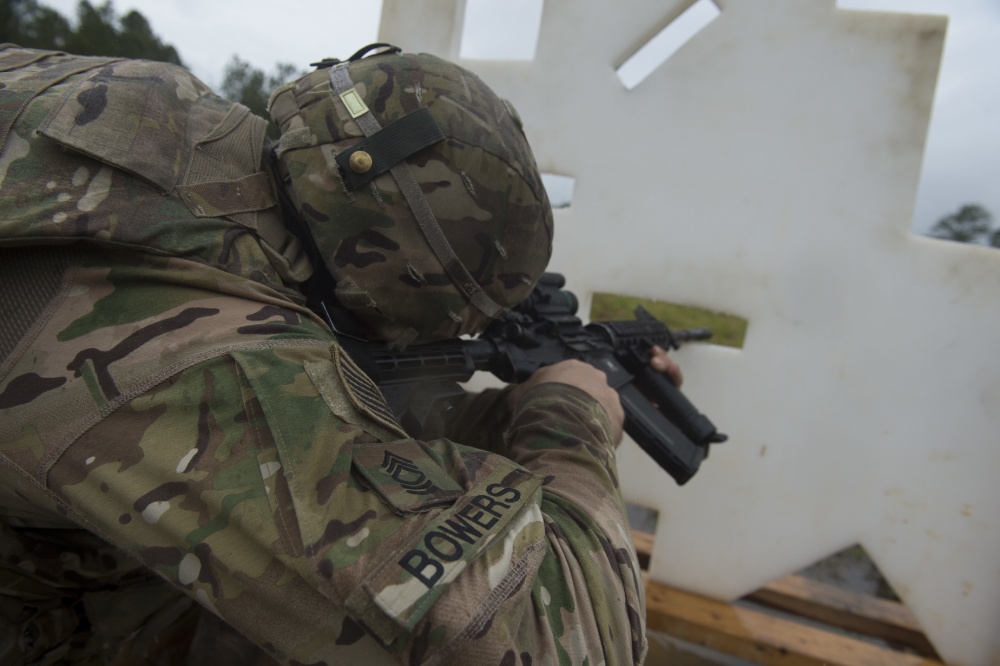
Prepare and zero the M68 CCO by confirming the configuration, inspecting the mount, firing repeatable groups, applying documented adjustments, and confirming distance.

Understand how muzzle exit, drag, spin stability, trajectory, sight line, wind, and time of flight shape a projectile’s external flight.
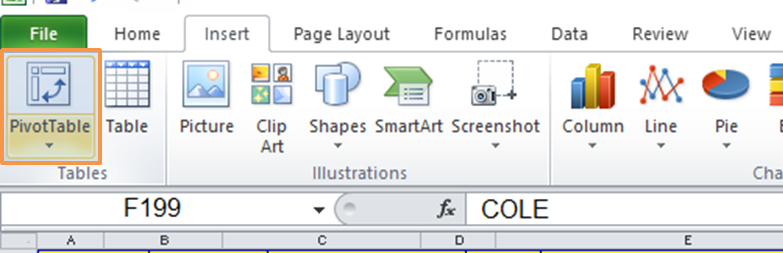
Use Excel PivotTables to summarize weapons-training data by unit, date, course, or skill while preserving raw records, context, sample size, and valid comparisons.
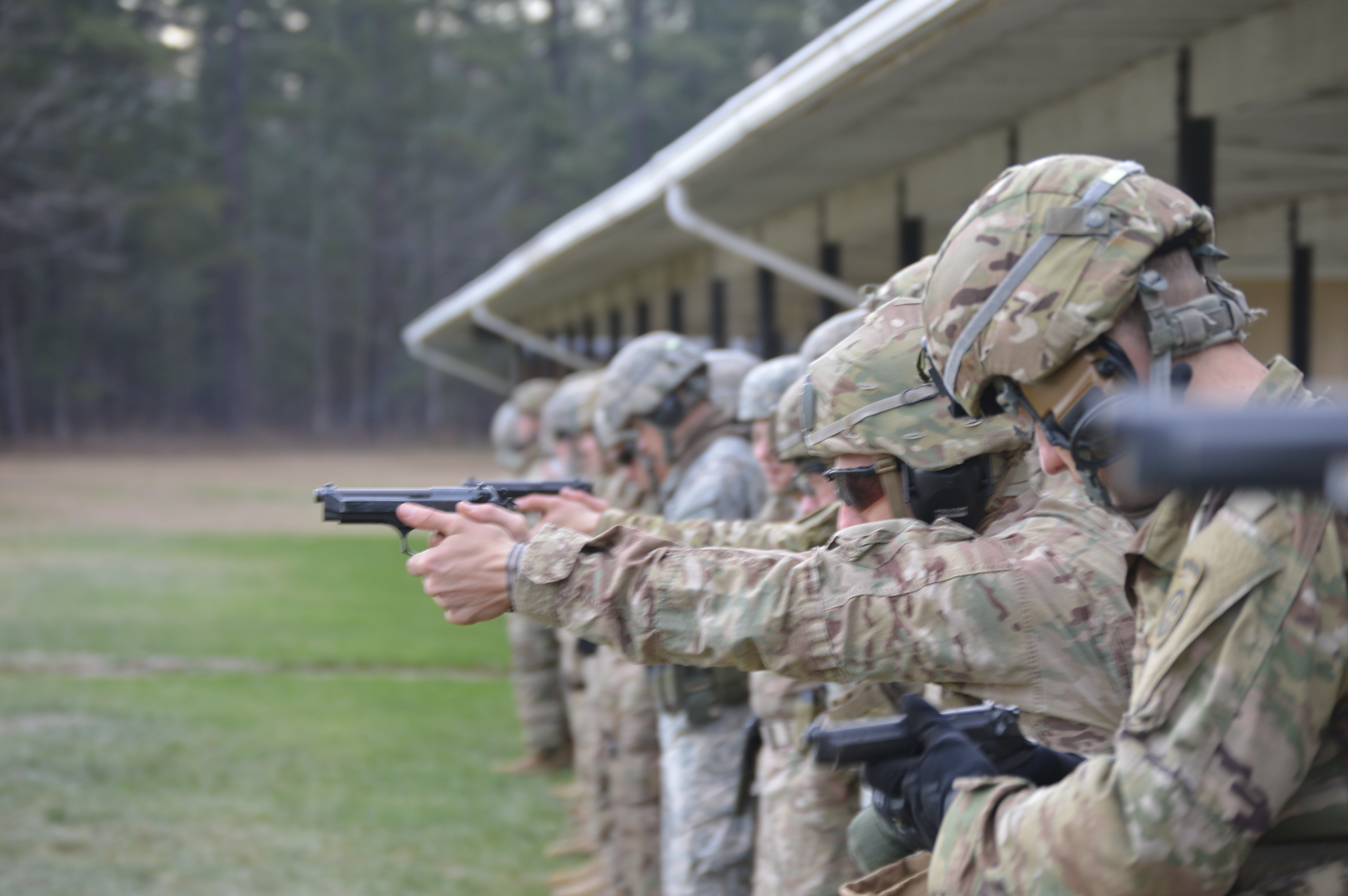
A safe pistol draw builds a firing grip, clears retention and equipment, protects the support hand, preserves trigger discipline, and presents useful sights efficiently.

The 25-meter ALT-C target could test foundational skills, but it could not reproduce wind, trajectory, target detection, or confidence developed at true distance.

Understand the M68 Close Combat Optic’s operating principles, brightness, parallax, mounting, both-eyes-open use, mechanical offset, zero, and checks.
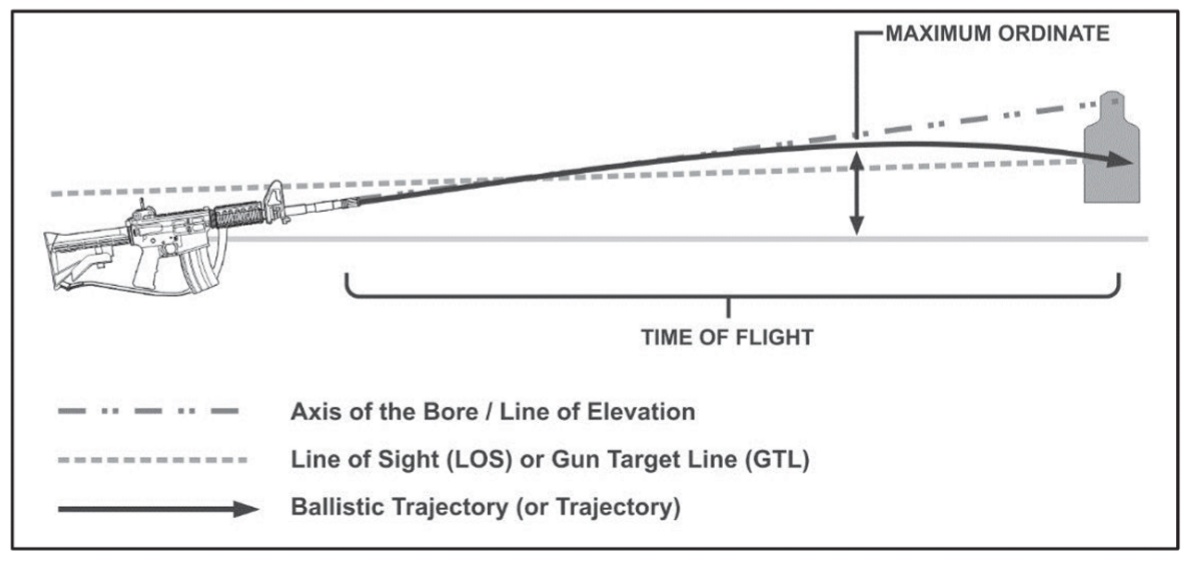
A practical glossary of external-ballistics terms covering trajectory, velocity, drag, ballistic coefficient, wind, air density, yaw, zero, and corrections.

Build useful company weapons-training data by defining the decision, standardizing collection, preserving context, analyzing honestly, and reassessing after intervention.

Rearward and lateral movement should create an advantage while preserving balance, route awareness, muzzle control, communication, and acceptable accuracy.