Foundations of the Shot Process: Dryfire
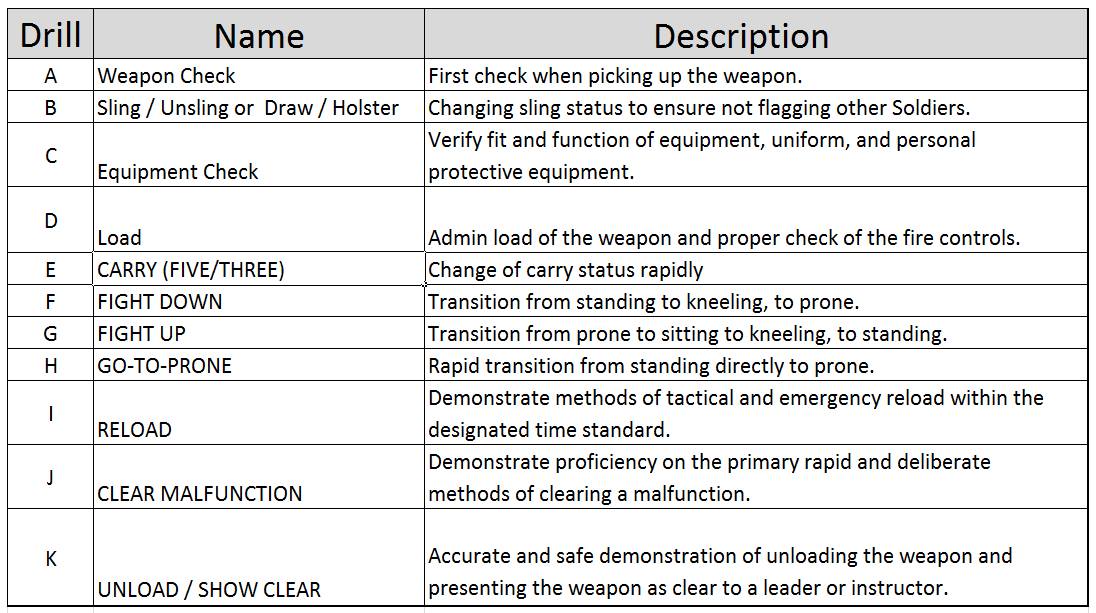
We will discuss dry-fire. Where do we start at to build a solid foundation for our shot process? What References do we use? TC 3-22.9 dated May of 2016 has an excellent section discussing dry-fire drills in Appendix D. These Drills are built around the following Principles: Mindset, Efficiency, Individual Tactics, and Flexibility. We will … Read more
Complex Engagements

To continue the previous article about aiming as a part of the shot process. Specifically, we will be focusing on what complex engagements are, what three conditions affect complex engagements (shooter, target, environment), what a hold is, why a Paratrooper would use a hold, and what the differences are between an immediate and deliberate hold. … Read more

Shot Process: Aiming

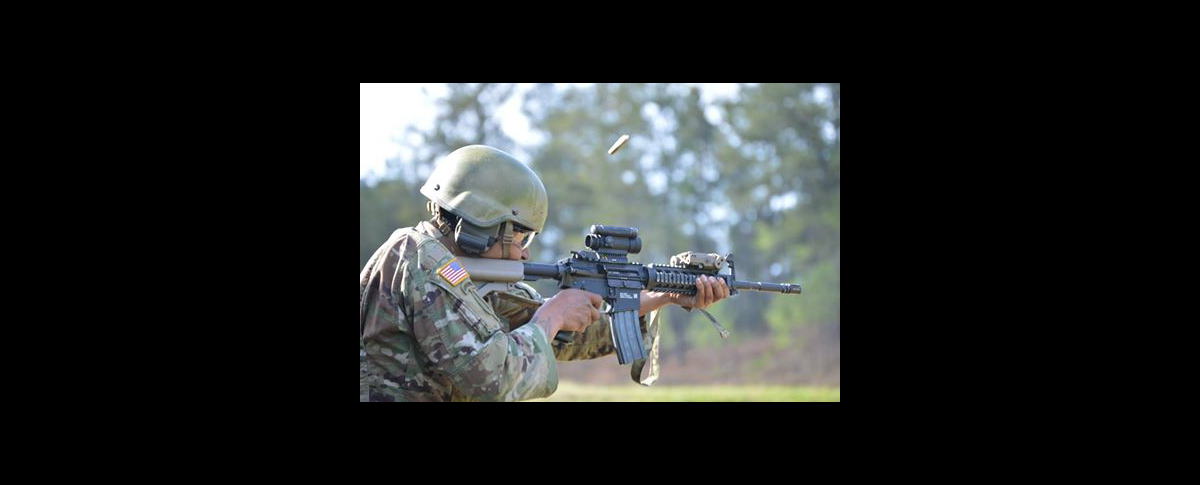
TC 3-22.9 dated May 2016, states that aiming is “the continuous process of orienting the weapon correctly, aligning the sights aligning on the target, and the application of the appropriate lead and elevation during a target engagement.” In order to achieve this, regardless of what you are using, the Paratrooper needs to keep the following … Read more

Shot Process: Stability

Today we will be discussing the first functional element of the shot process: Stability. While some would say that stability is the most important element, we want our paratroopers to realize that all these elements need to work together in order to achieve a hit where they are aiming at. TC 3-22.9 states that stability … Read more

LMS Defense Night Vision Fundamentals Course with Daniel Bales: AAR

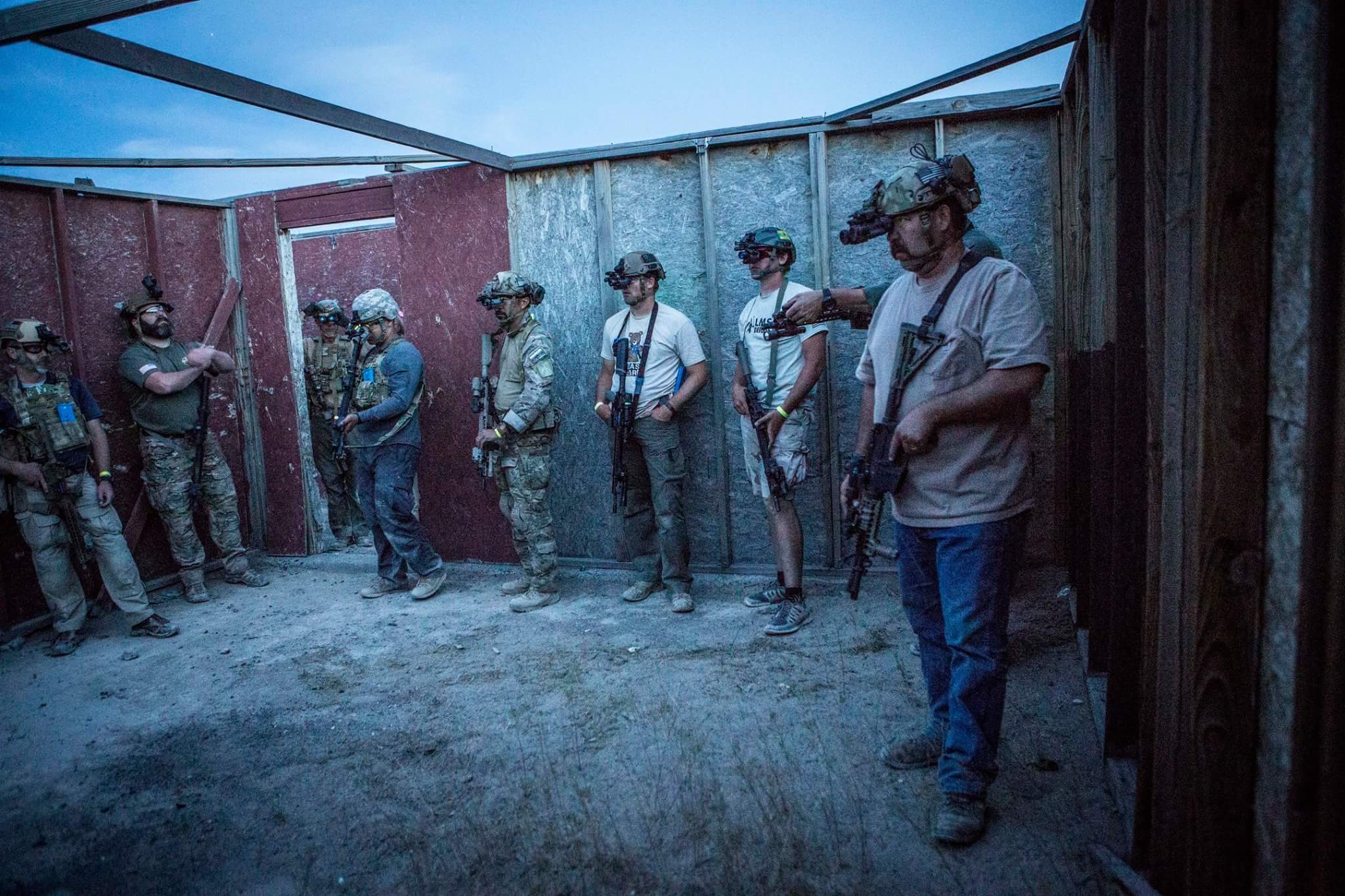
After Action Report Course: LMS Defense Night Vision Fundamentals Course Instructor: Daniel Bales Host facility: LMS Defense Combat Development Center Location: Fernley, Nevada Course length: 1 day *In the interest of complete transparency: I am a part time employee of LMS Defense and have worked for them as an RSO on several occasions. In addition … Read more