
We cannot control every factor in a dangerous encounter. We can, however, influence what we bring to it. Mindset, training, practiced skills, physical capability, and proven equipment can improve our options when circumstances turn against us.
That distinction matters. Preparation does not guarantee a win. It changes probabilities, expands choices, and reduces the number of problems we must solve for the first time under pressure.
Influence Is Not Control
A defensive encounter always involves another person with independent intent, initiative, and opportunity. An aggressor may choose the time, location, distance, and manner of the attack. Even excellent preparation cannot erase that influence.
The purpose of preparedness is not to pretend that we control the event. It is to retain as much influence as possible once the event begins. Awareness may provide earlier recognition. Judgment may help us avoid or de-escalate the problem. Practiced skills may shorten our response time. Reliable equipment may work when called upon. Each factor improves our position without promising an outcome.
Invest in the Person Carrying the Equipment
Hardware is easy to buy, compare, and display. Personal development is slower. It requires study, qualified instruction, honest feedback, deliberate practice, and continued maintenance. That makes it less exciting than a new piece of equipment, but usually more transferable.
Skills and judgment go with you everywhere. They remain useful when your preferred firearm is unavailable, when a familiar technique does not fit the problem, or when the best response is communication, movement, medical care, or leaving before the situation deteriorates.
Removing training and practice from the equation leaves more of the encounter in the other person’s hands. Owning capable equipment without building the ability to use it provides less influence than many people assume.
Equipment Still Matters
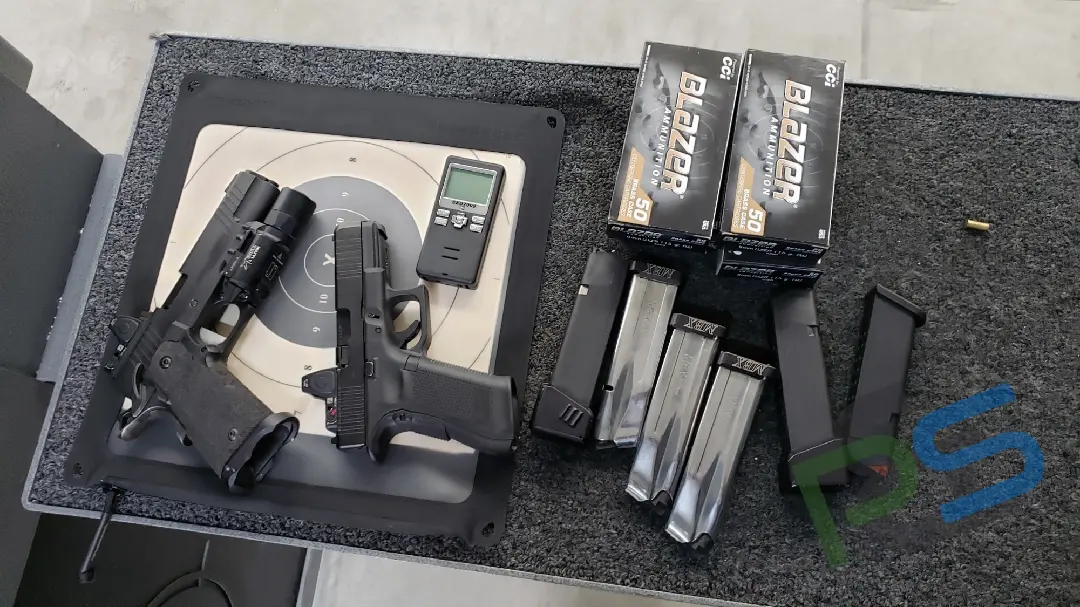
This is not an argument against good equipment. A reliable weapon, an effective carry system, a suitable light, medical equipment, and other supporting tools can solve real problems. Equipment should be selected for reasonably anticipated tasks, tested for reliability, and integrated into training.
The mistake is treating hardware as a substitute for the person using it. Equipment adds capability; it does not create judgment, awareness, decision-making, or skill on its own.
Build a Complete Preparedness System
A useful preparedness system stacks complementary advantages:
- Study develops a better understanding of the problem.
- Training provides sound information, coaching, and corrective feedback.
- Practice builds and maintains the skills introduced during training.
- Pressure testing reveals where performance and decision-making break down.
- Proven equipment supports the task without creating unnecessary complications.
- Honest reassessment keeps the system relevant as circumstances and abilities change.
None of these eliminates uncertainty. Together, they improve the number and quality of options available when the stakes are high. Stack the deck in your favor, while remaining honest about what preparation can—and cannot—control.