Pistol Draw and Presentation Fundamentals
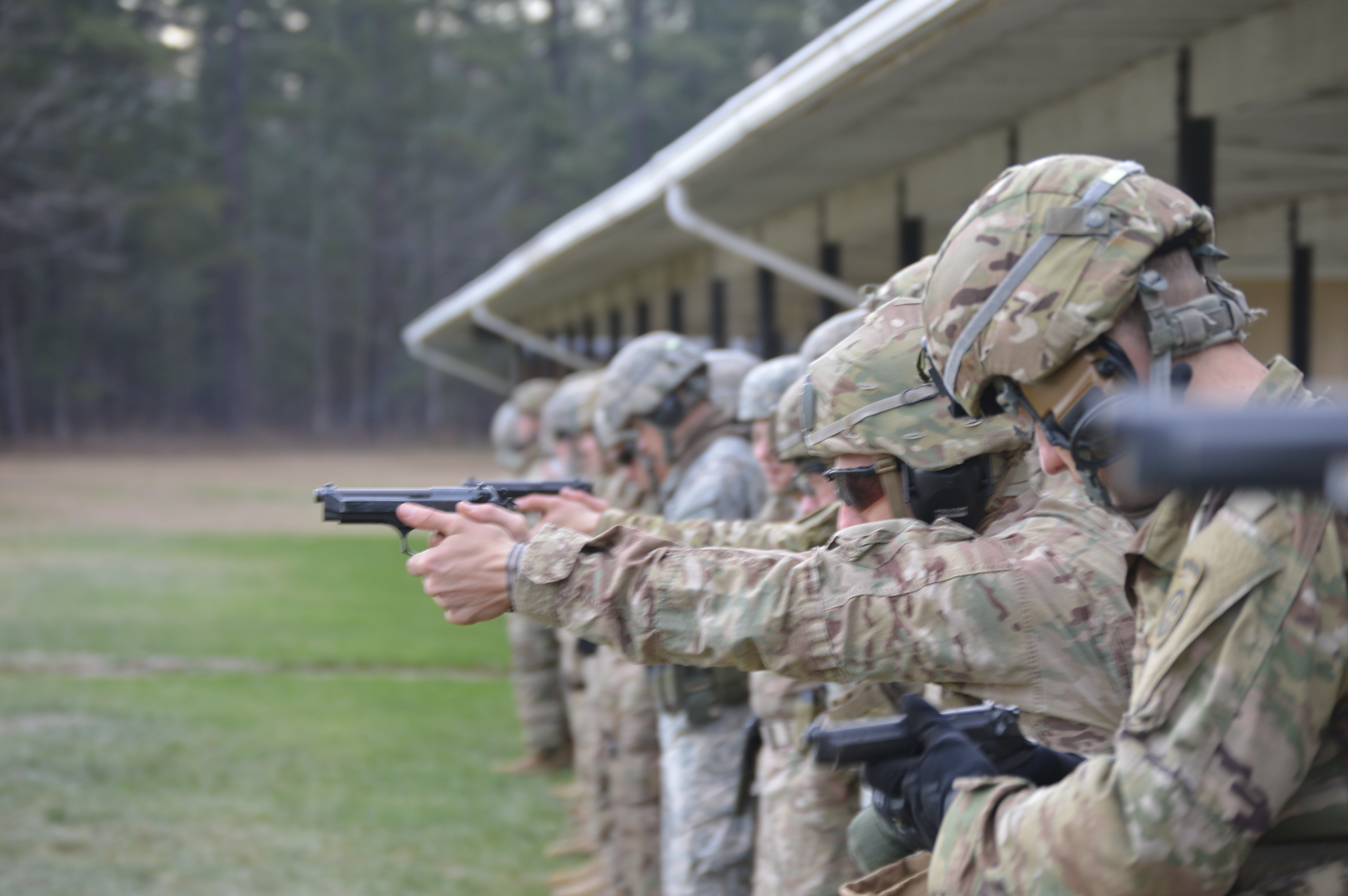
A safe pistol draw builds a firing grip, clears retention and equipment, protects the support hand, preserves trigger discipline, and presents useful sights efficiently.
Pro Guns, Gear, Tactics, Training, Mindset, & Discussion

Firearms, tactical, defensive, law-enforcement, and professional training articles focused on developing adaptable skills, sound judgment, and practical competence.
A safe pistol draw builds a firing grip, clears retention and equipment, protects the support hand, preserves trigger discipline, and presents useful sights efficiently.

The 25-meter ALT-C target could test foundational skills, but it could not reproduce wind, trajectory, target detection, or confidence developed at true distance.

Understand the M68 Close Combat Optic’s operating principles, brightness, parallax, mounting, both-eyes-open use, mechanical offset, zero, and checks.

Consistent rifle groups establish a baseline for zeroing, shooter diagnosis, ammunition comparison, equipment testing, and future marksmanship improvement.
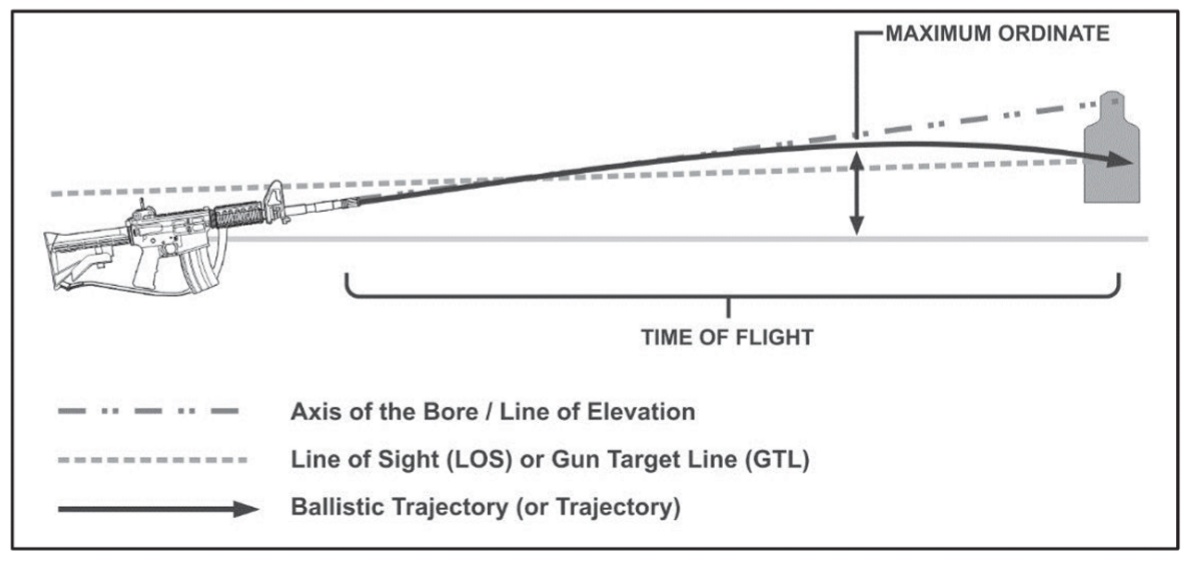
A practical glossary of external-ballistics terms covering trajectory, velocity, drag, ballistic coefficient, wind, air density, yaw, zero, and corrections.

Build useful company weapons-training data by defining the decision, standardizing collection, preserving context, analyzing honestly, and reassessing after intervention.

Understand minutes of angle and milliradians for group measurement, optic adjustments, reticle holds, and corrections at different distances.

Compare rifle iron sights, red-dot sights, magnified optics, and laser aiming devices by capability, limitation, mounting, zero, and intended use.
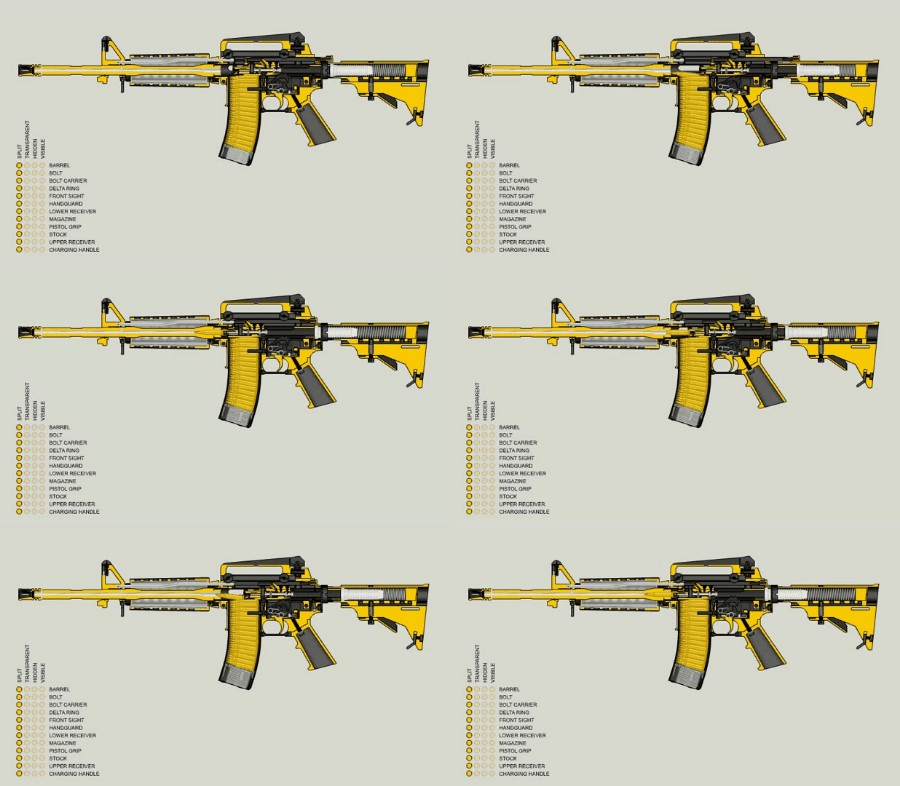
Internal ballistics explains ignition, chamber pressure, projectile acceleration, rifling, barrel vibration, gas-system timing, and muzzle exit.

Use range-performance data to locate recurring problems, confirm their causes, design focused training, and measure whether the intervention worked.