Forward Movement as Part of the Shot Process
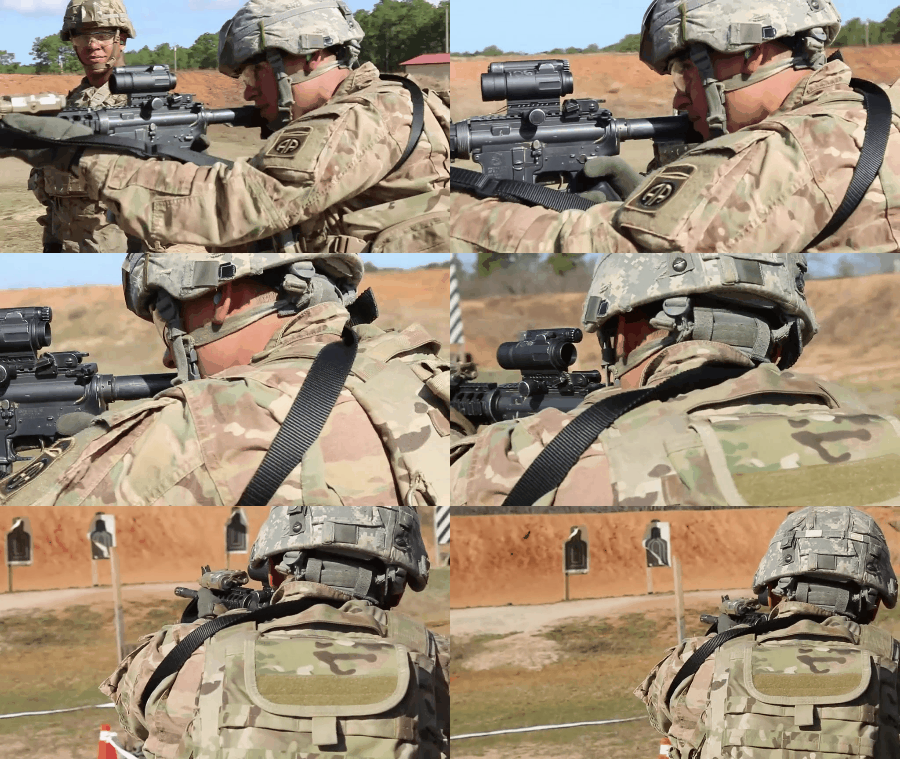
Forward movement should support a tactical purpose while preserving muzzle control, awareness, balance, and an accuracy standard appropriate to the task.
Pro Guns, Gear, Tactics, Training, Mindset, & Discussion

Firearms, tactical, defensive, law-enforcement, and professional training articles focused on developing adaptable skills, sound judgment, and practical competence.
Forward movement should support a tactical purpose while preserving muzzle control, awareness, balance, and an accuracy standard appropriate to the task.
Shooting competition provides pressure, measurement, accountability, and unfamiliar problems, but it should complement—not replace—tactical training.
A practical glossary of internal, external, and terminal ballistics terms, including trajectory, velocity, zero, energy, momentum, and penetration.
Movement affects stability, aim, control, awareness, and communication. Train it progressively and use it only when it creates a meaningful advantage.
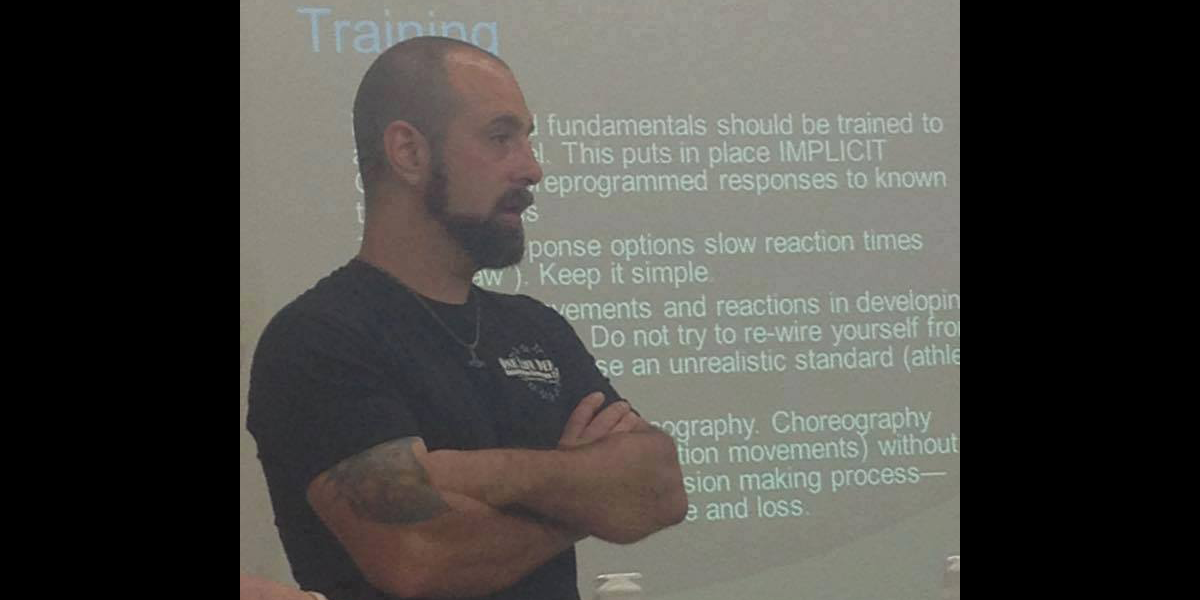
Situational awareness means noticing changes, interpreting patterns, and taking proportionate action without fixation, stereotyping, or constant hypervigilance.

A useful range safety brief covers orientation, commands, emergency response, equipment, hazards, responsibilities, and active enforcement.

“ War is not violence and killing, pure and simple; war is controlled violence, for a purpose.” -Robert Heinlein, Starship Troopers We are continuing our discussion on why we need to train our Paratroopers more efficiently. Last week we discussed how little space it takes on the calendar, so how do we ensure it has emphasis … Read more
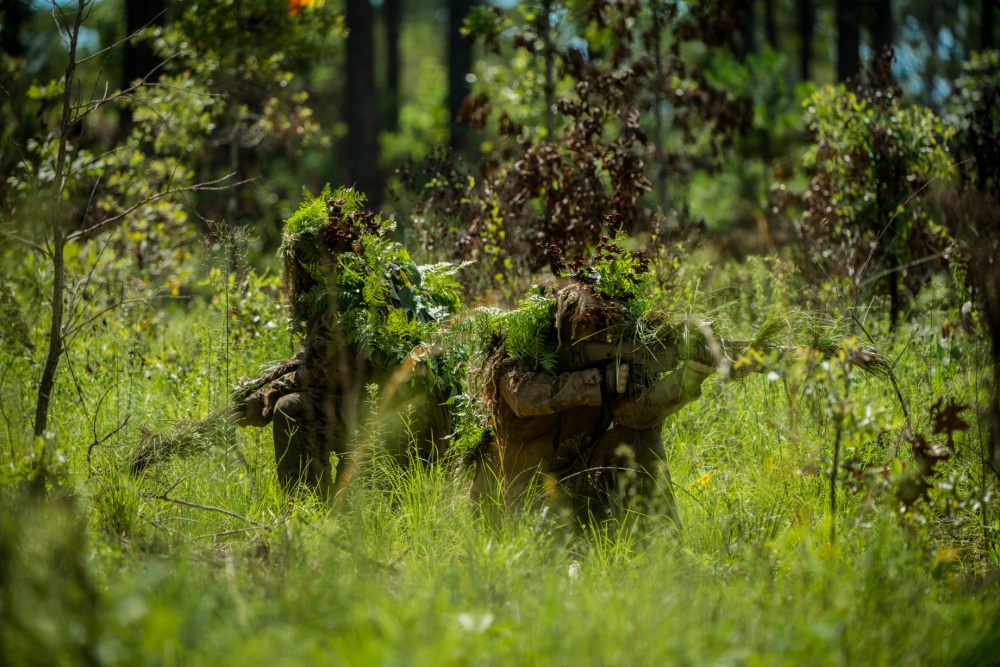
‘There were over thirty of them in continuous action, and all I could do was touch the Germans off just as fast as I could. I was sharpshooting. I don’t think I missed a shot. It was no time to miss.’ -Alvin C. York’s account of October 8, 1918 For Walkthrough Wednesday, we are starting … Read more

A weapon transition is a context-dependent decision shaped by urgency, distance, cover, weapon condition, equipment, and mission—not an automatic response.
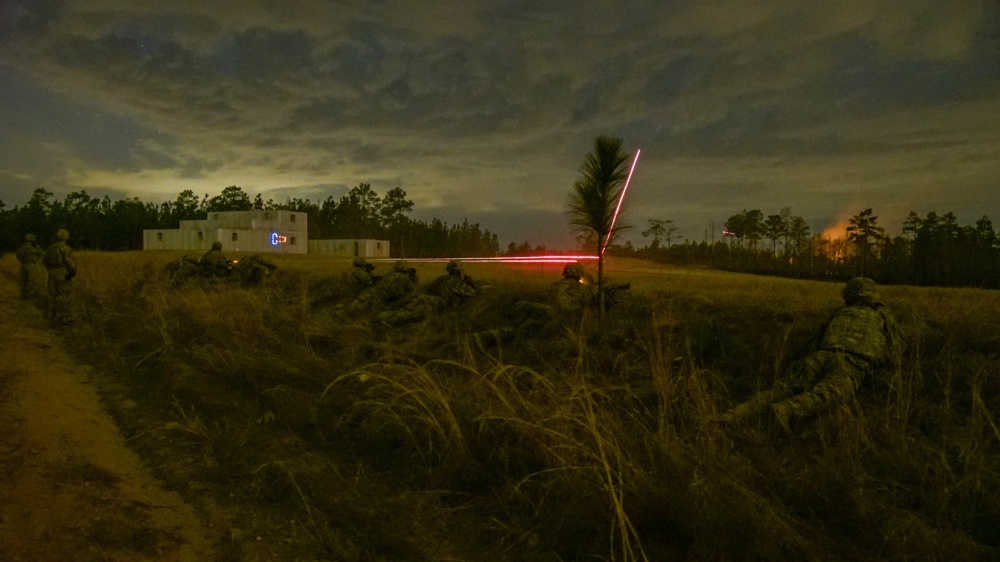
Use the Engagement Skills Trainer as a diagnostic and rehearsal tool with clear objectives, deliberate coaching, and transfer to dry and live-fire training.