
By Keith Morgan, KBT Defensive Solutions
Instructors can forget how many repetitions support skills that now feel automatic. That makes it easy to become frustrated with a student who does not immediately understand a “basic” concept.
Experienced students can fall into the same trap. A class full of people with years of prior training moves quickly, while a genuine beginner may need time to understand controls, terminology, movement, or safety procedures the rest of the line no longer has to think about.
A return to being a beginner
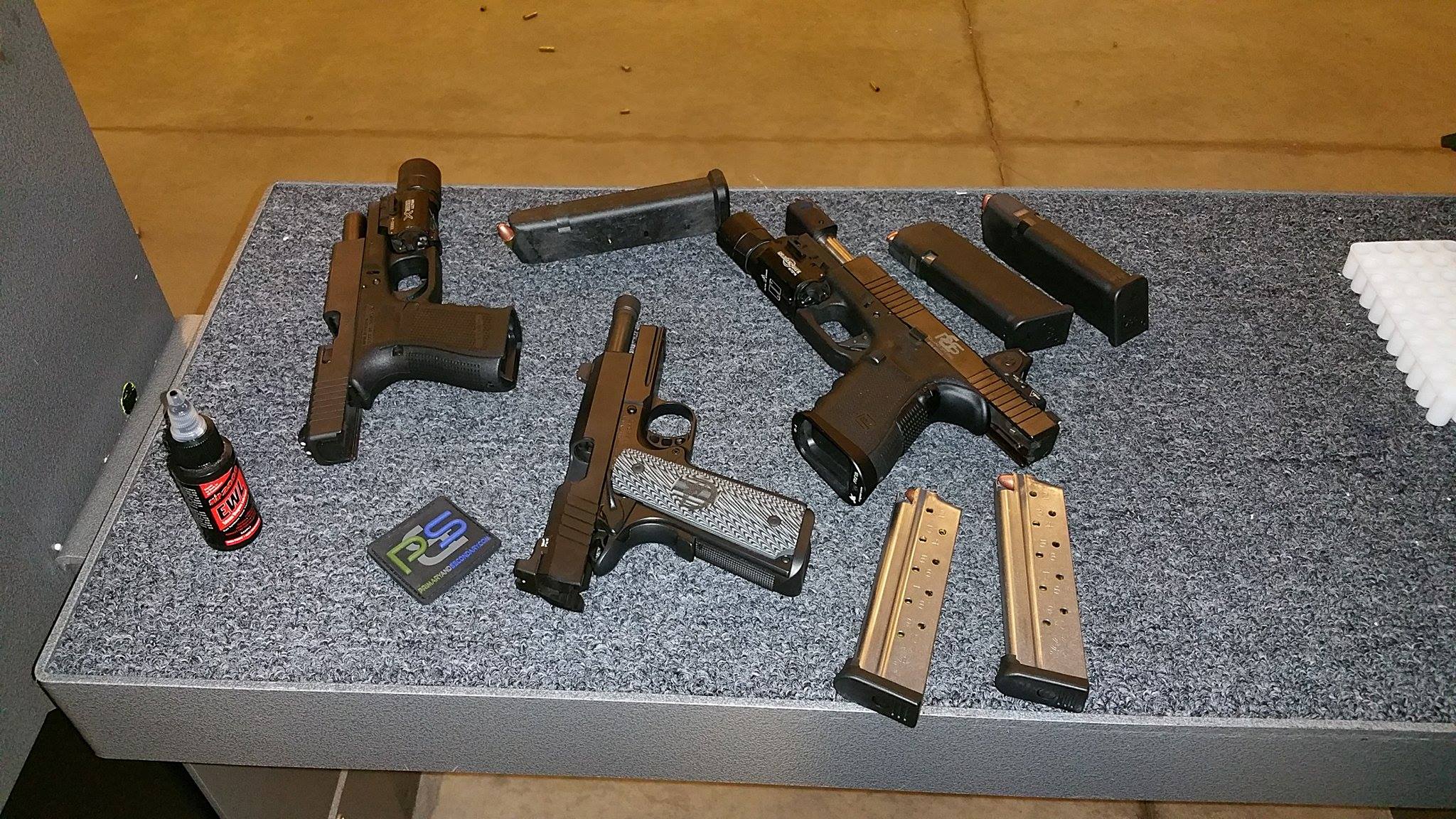
I was reminded of this after buying my first 1911. My previous handguns did not use the same manual-safety procedure, so I began with dry presentations to build a reliable sequence around that control.
Within a short session, I caught myself more than once beginning to return the simulated pistol to the holster without first placing the safety in the intended condition. With live ammunition, that would have represented an unacceptable breakdown in the procedure I was trying to learn.
The experience was frustrating precisely because I was competent with other handguns. Familiarity with shooting did not instantly create an automatic habit for a different operating system.
Standards and patience are compatible
An instructor cannot ignore unsafe behavior. The exercise must stop, the risk must be controlled, and the student must understand the correction. But an emotional dressing-down is not the same as effective instruction.
A better response diagnoses the failure:
- Does the student understand the required sequence?
- Can the student perform it slowly without distraction?
- Is the equipment configured appropriately?
- Was too much speed or complexity introduced too soon?
- Does the student need a different explanation or demonstration?
- Can the instructor create a safe repetition that isolates the problem?
Remember the novice workload
A beginner may be processing muzzle direction, trigger-finger placement, grip, stance, sights, commands, unfamiliar equipment, and social pressure at the same time. What looks like one simple task to the instructor may be several new tasks competing for attention.
Keep the safety standard firm. Reduce unnecessary complexity, provide clear feedback, and let correct repetitions build before adding pressure.
Returning to square one reminded me how slow procedural learning can feel. Instructors should remember that experience—not to lower the standard, but to communicate it in a way students can actually meet.