Flashlight Form Factors: Everyday Carry vs. Work Lights
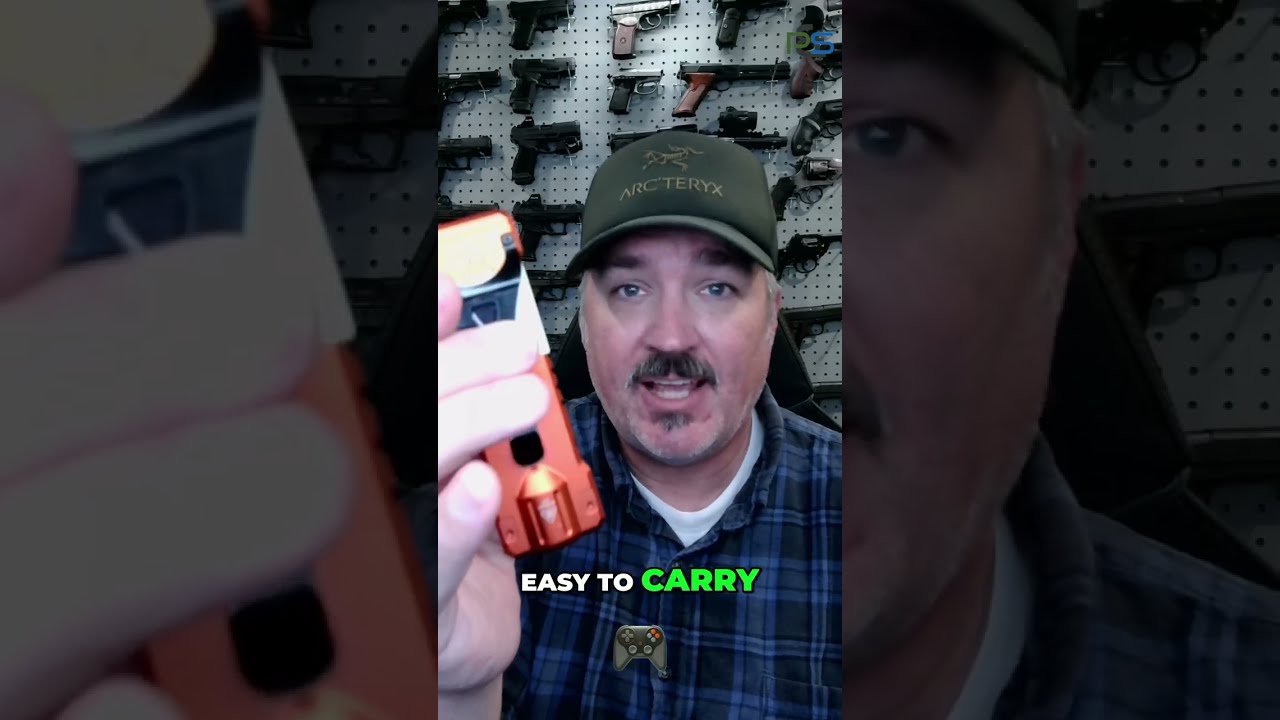
Compare slim rechargeable everyday-carry lights with larger work lights, including battery choices, pocket clips, retention, runtime, and maintenance.
Pro Guns, Gear, Tactics, Training, Mindset, & Discussion

Compare slim rechargeable everyday-carry lights with larger work lights, including battery choices, pocket clips, retention, runtime, and maintenance.
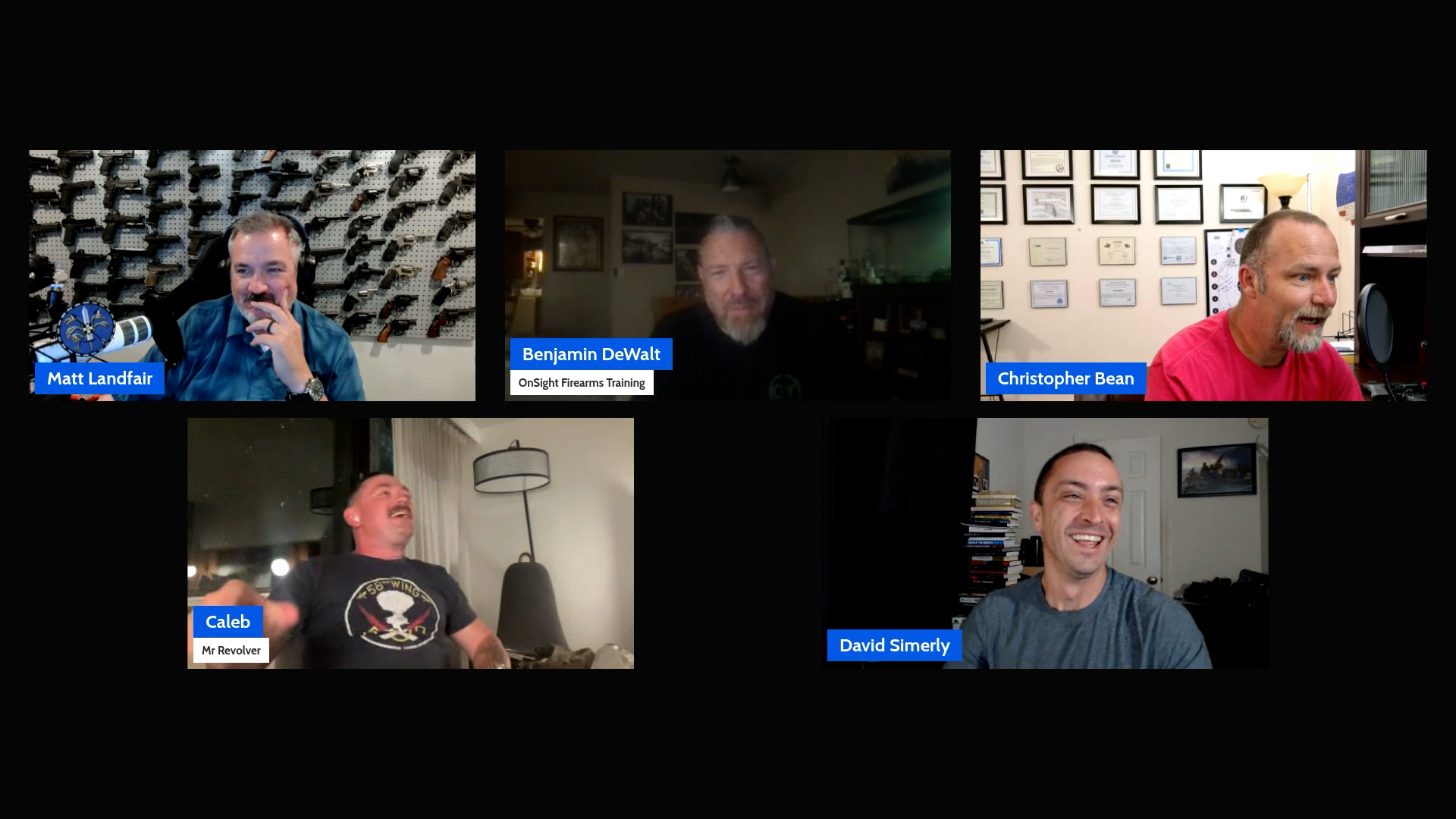
P&S ModCast 461 brings Chris Bean, Ben DeWalt, Caleb Giddings, Dave Simerly, and Matt Landfair together for an open-enrollment discussion from an instructor’s perspective. The episode shares experiences, observations, and stories about teaching, learning, students, and the realities behind public-facing firearms instruction. Released: August 13, 2026Runtime: 3 hours, 37 minutesHost: Matt LandfairPanel: Chris Bean, Ben … Read more
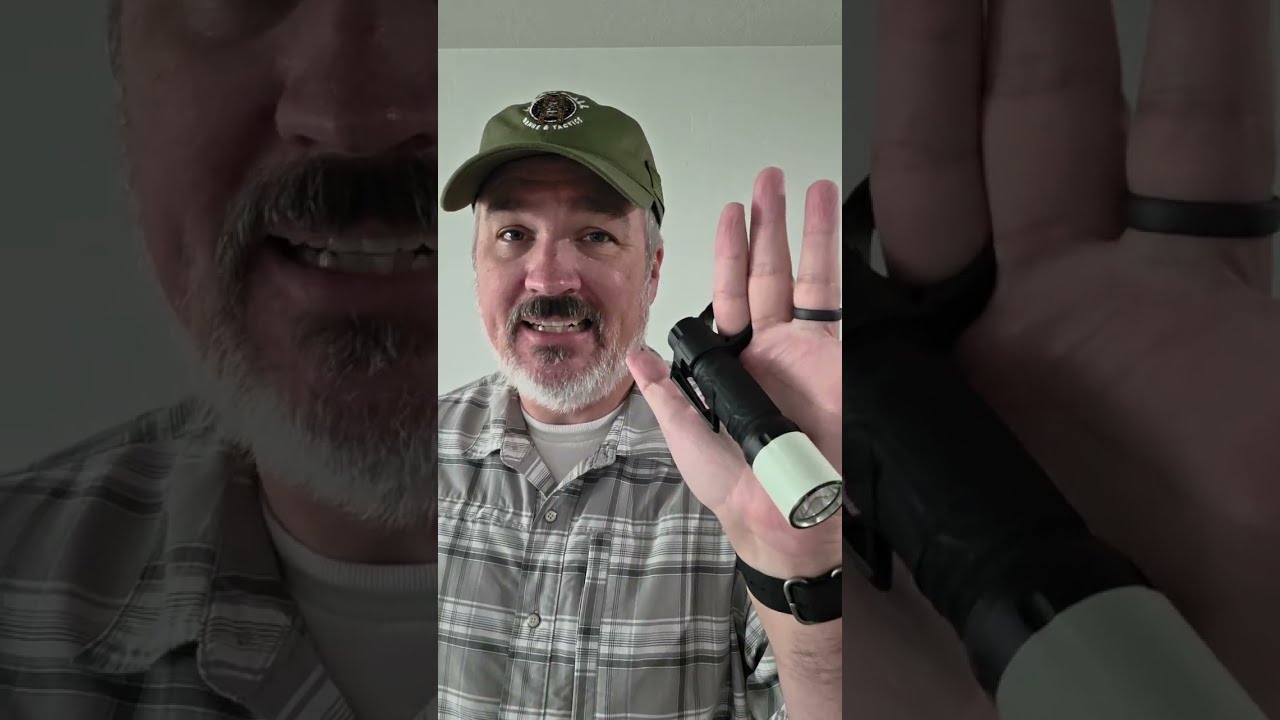
Handheld-light techniques involve tradeoffs in mobility, control, identification, firearm support, and equipment compatibility. Learn several and practice transitioning safely.
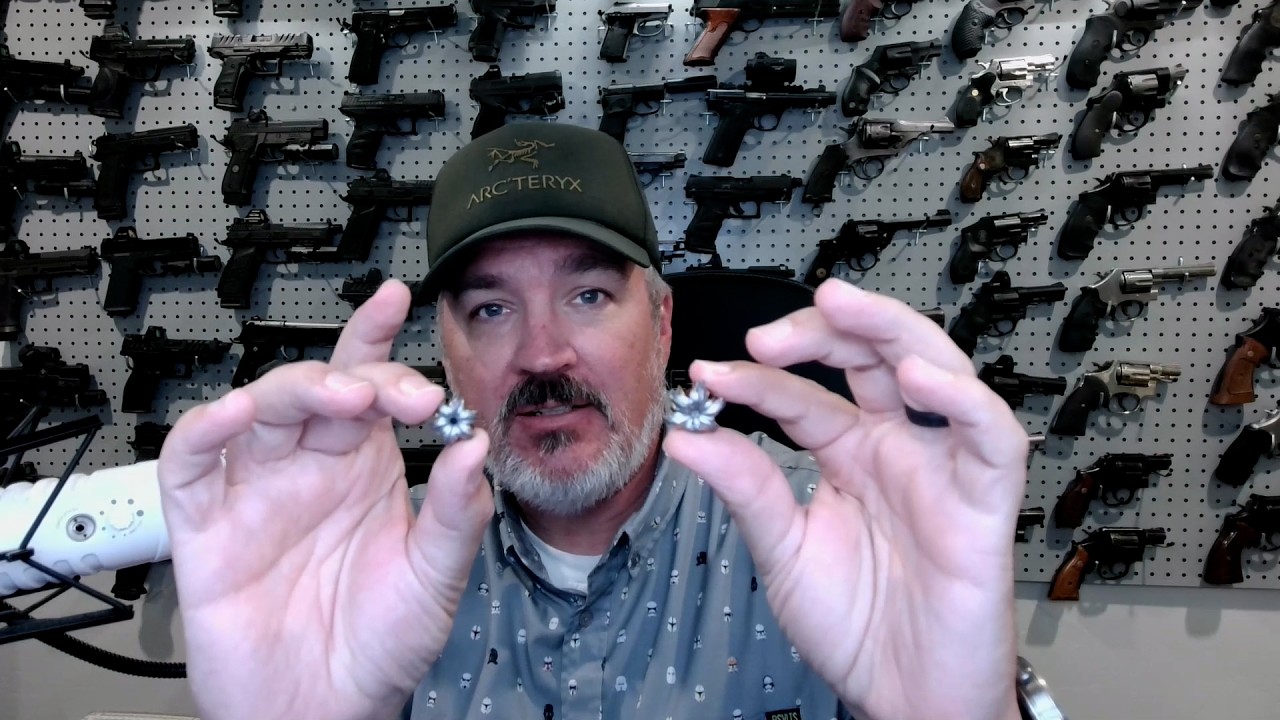
Jacketed hollow points balance sufficient penetration with controlled expansion, greater frontal resistance, and a more defined permanent wound path.
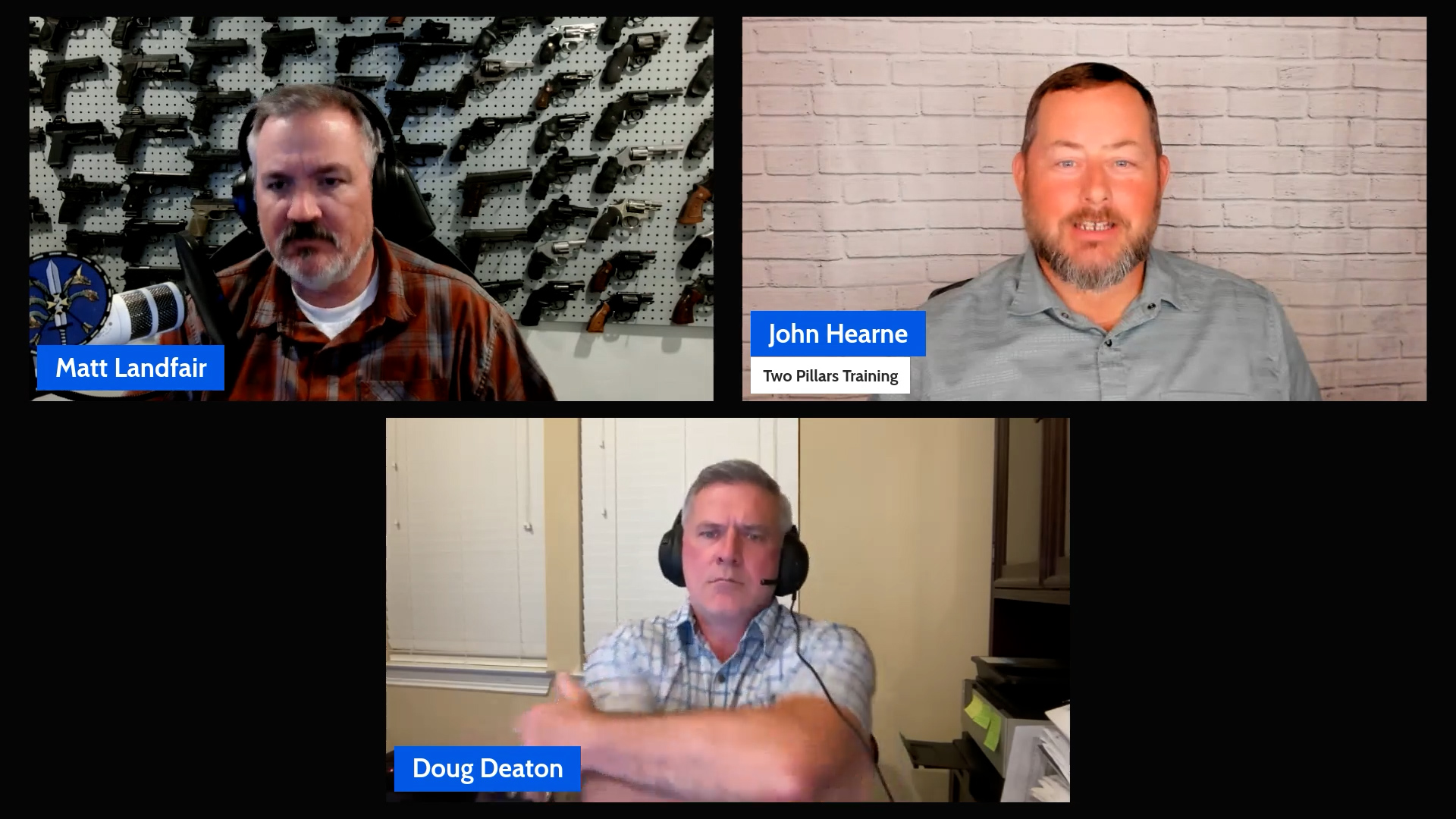
Doug Deaton, John Hearne, and Matt Landfair discuss common practices and misdirected efforts in law enforcement, with a focus on training, judgment, policy, and professional improvement.
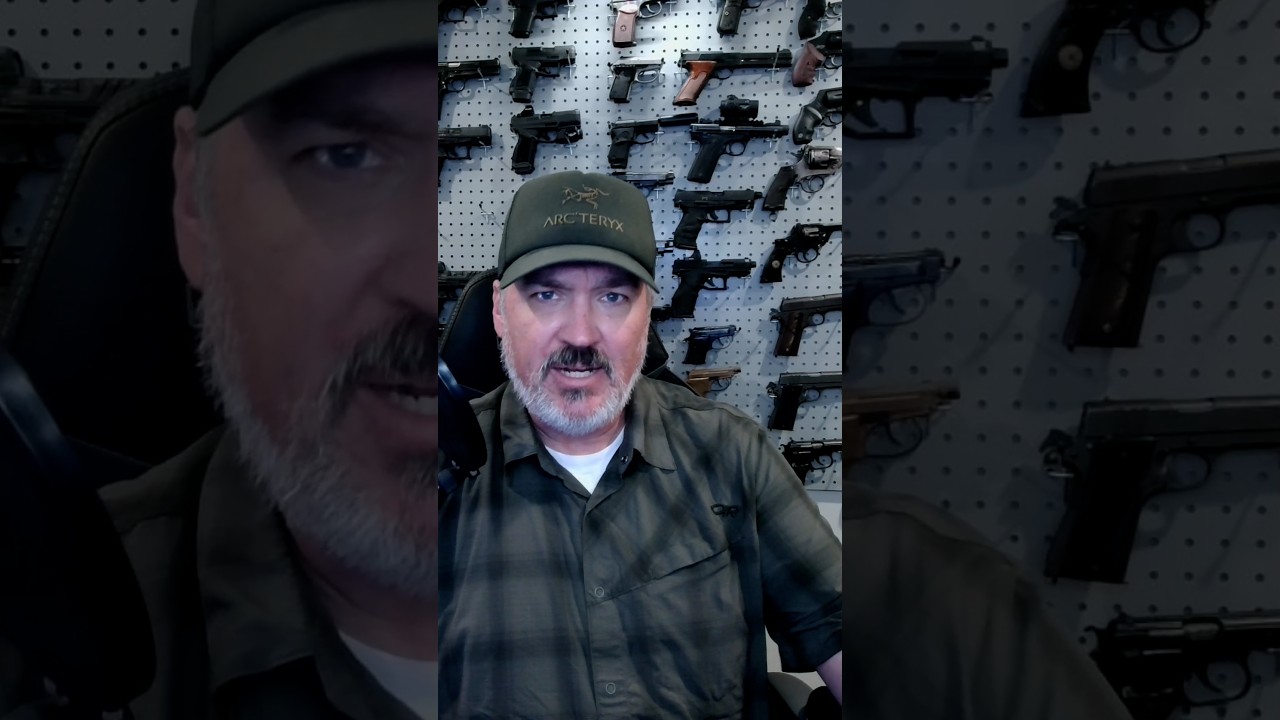
The 5.7×28 cartridge offers low recoil, capacity, and accessibility advantages, but pistol performance should be judged by evidence rather than P90 mythology.
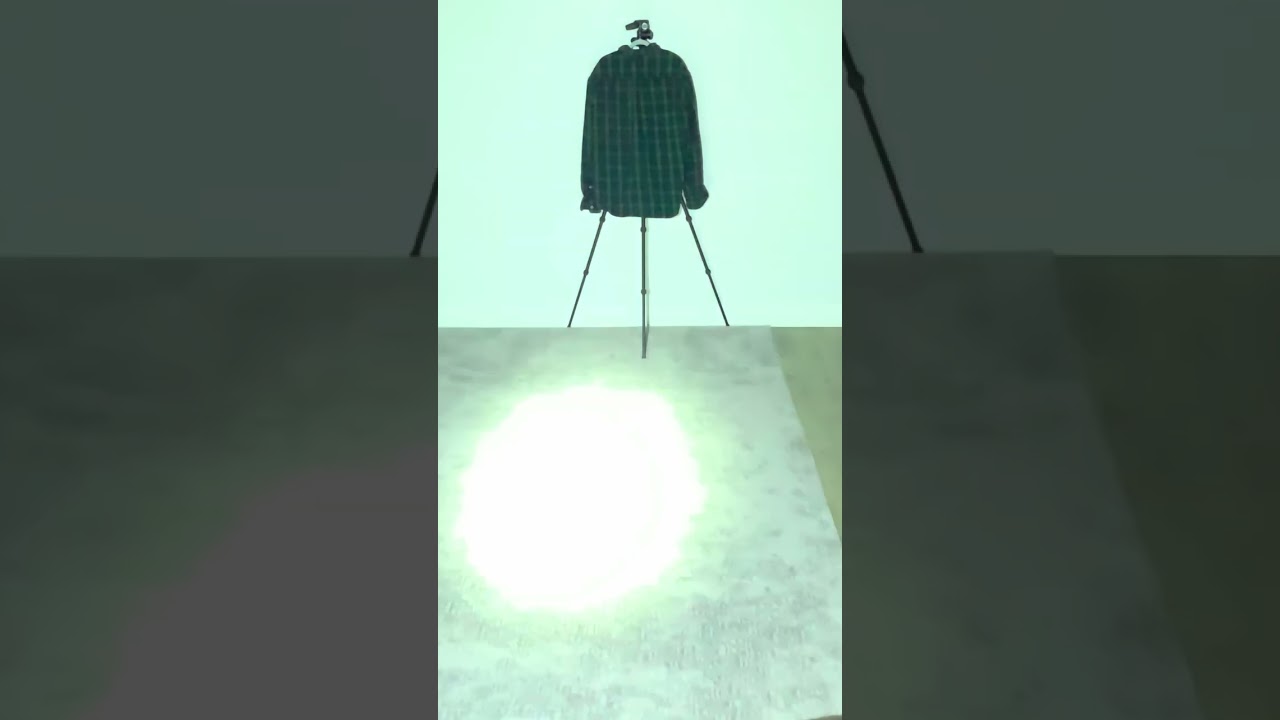
A handheld light gathers information without presenting a firearm. Learn how to plan and practice the transition to a weapon-mounted light when a threat develops.
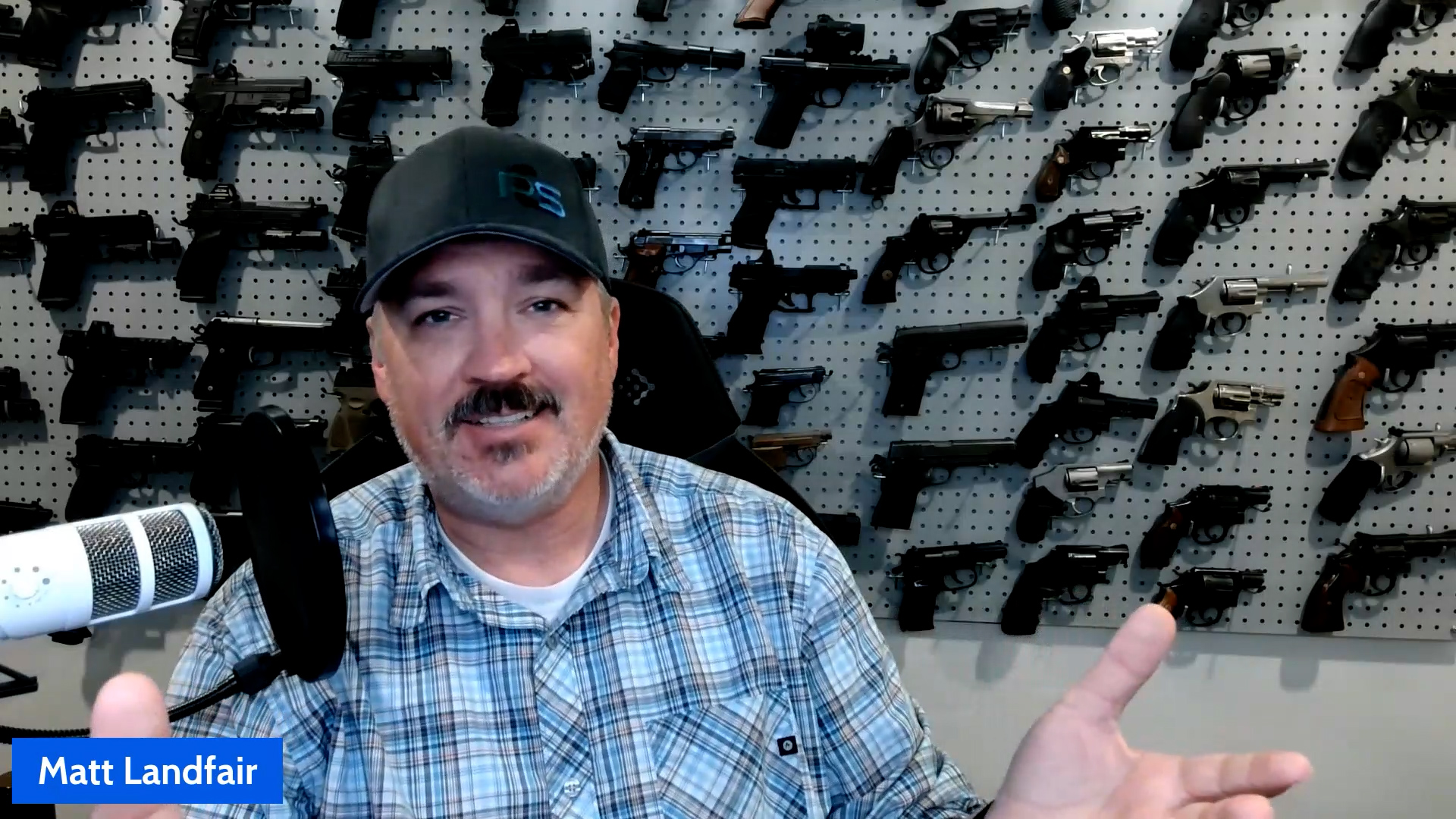
Matt Landfair explains body-armor standards, including NIJ 0101.06 and 0101.07, armor ratings, testing, and practical factors in selection.
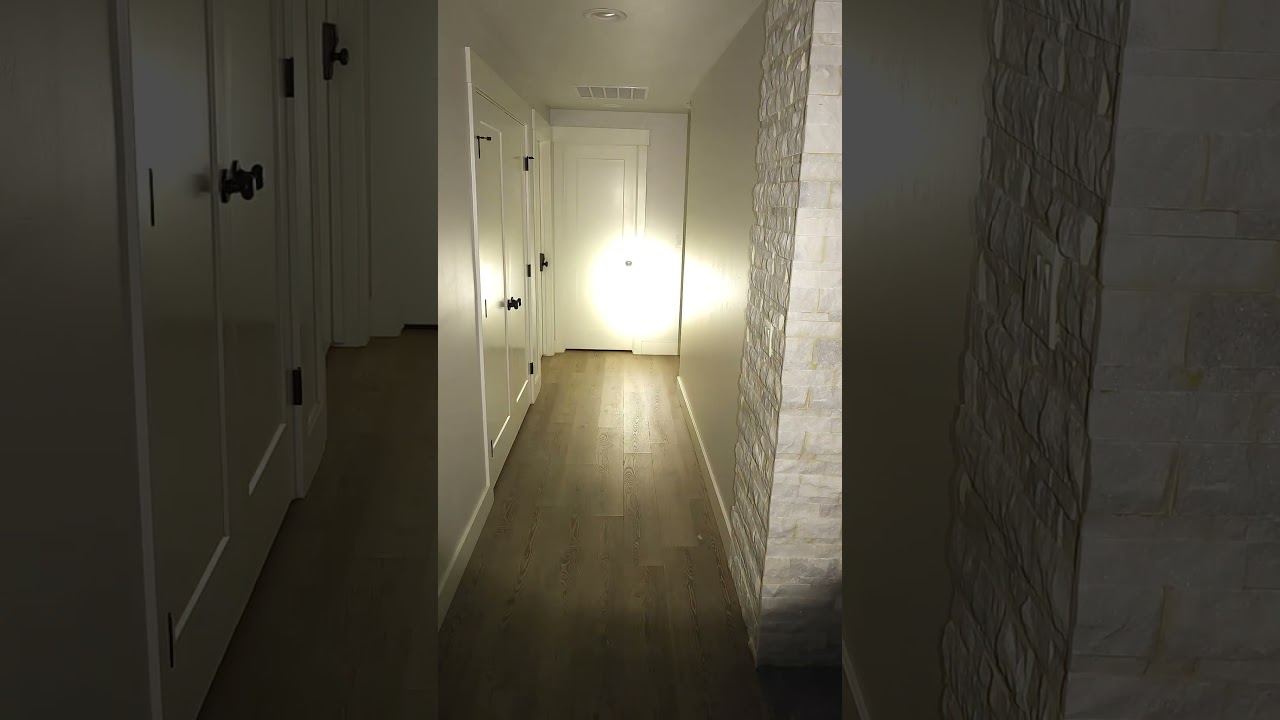
A brief demonstration of a handheld flashlight technique for maintaining useful illumination, safe firearm handling, and adaptability in low-light conditions.
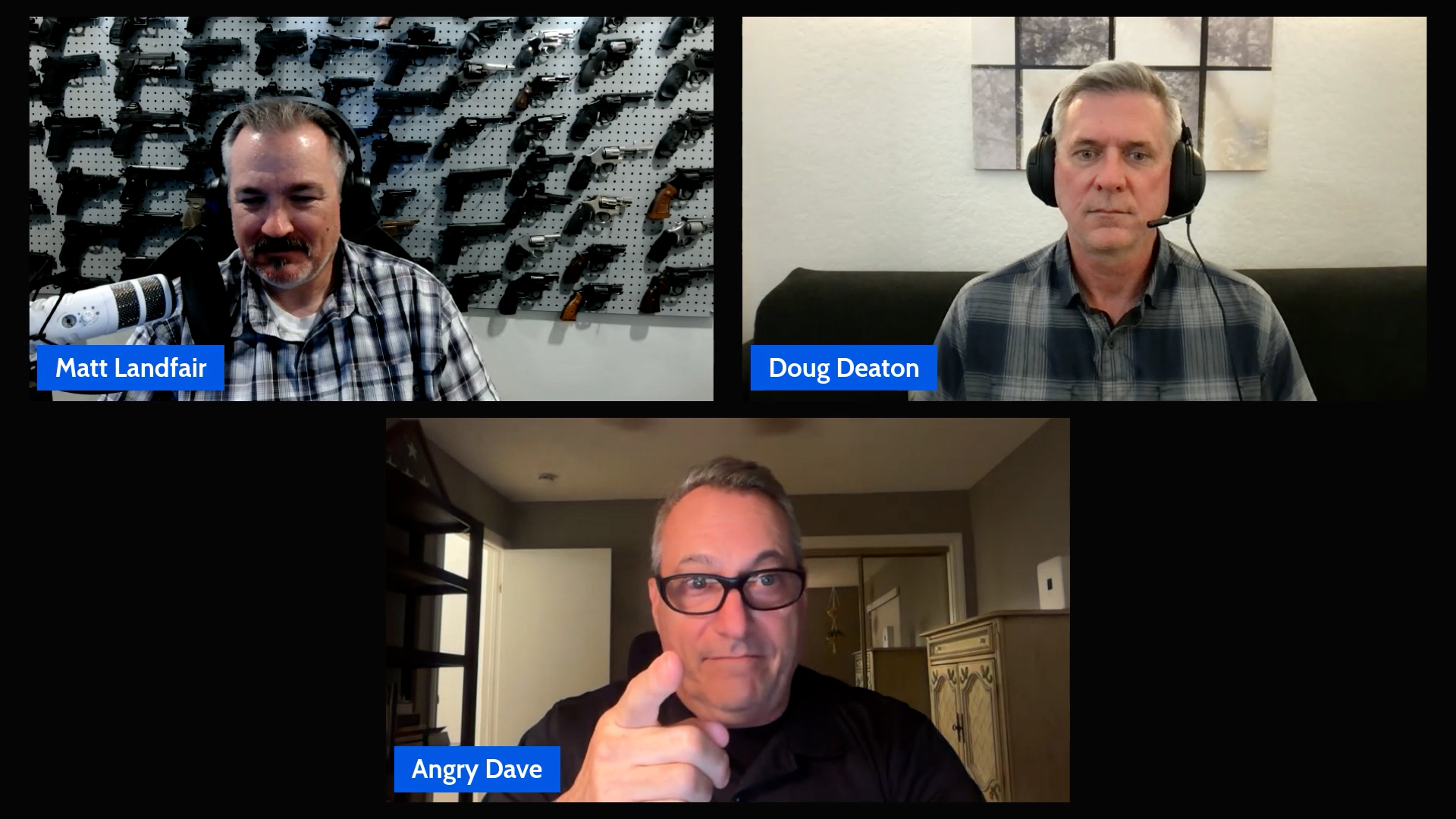
Dave Agata, Doug Deaton, and Matt Landfair discuss facts, emotional appeal, media framing, public narratives, source evaluation, and contextual evidence.