
A handheld flashlight and a weapon-mounted light do not perform the same job. The handheld is an everyday observation and identification tool; the weapon-mounted light is attached to a firearm and can only be used consistently with the legal and safety consequences of presenting that firearm. The transition between them deserves deliberate thought and practice.
Begin with information gathering
In a dark environment, a handheld light can announce your presence, illuminate the area near an unknown person, and provide enough reflected light to observe behavior without aiming a firearm. This preserves options while helping prevent a surprise encounter.
The environment changes the light
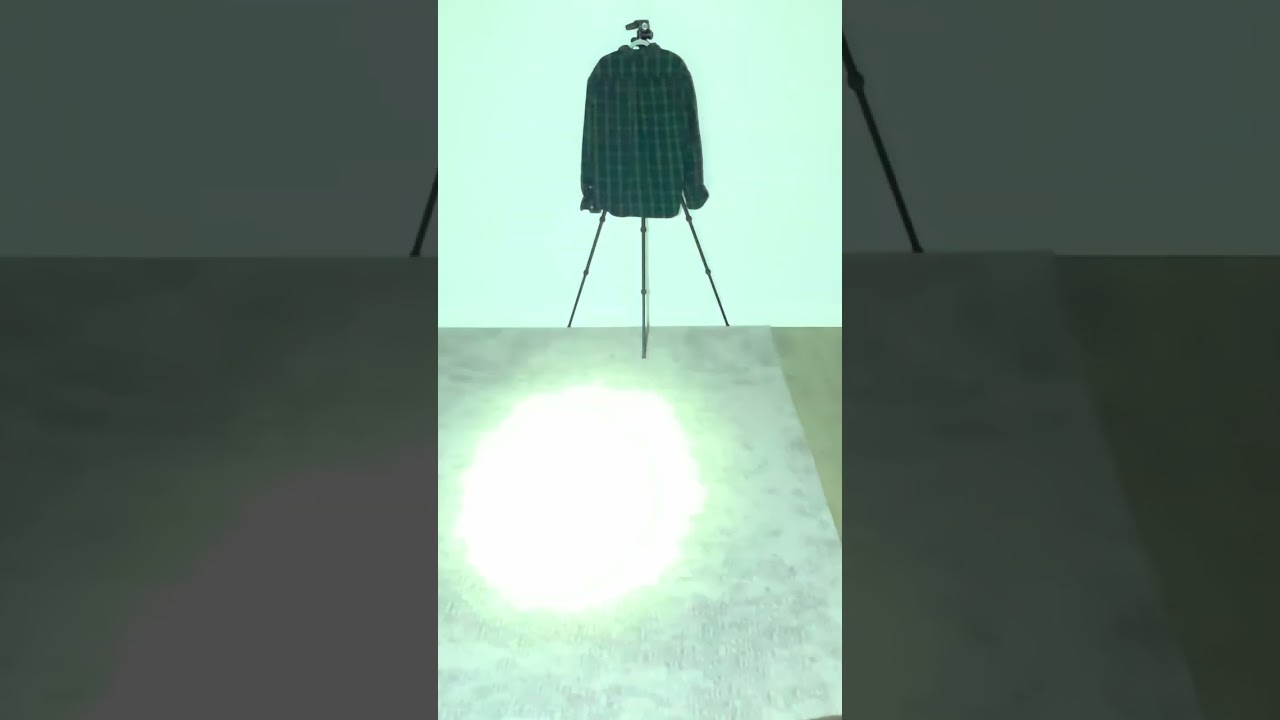
White walls and light-colored floors return considerable spill; dirt, dark surfaces, and open outdoor spaces may return far less. A technique that provides ample indirect illumination inside a building may be inadequate elsewhere. Evaluate what the environment actually gives you rather than assuming the same beam placement will work everywhere.
Plan the transition before it is needed
If circumstances develop into an immediate threat, several questions arise: Will the handheld remain active while the firearm is drawn? Will the user retain it while activating the weapon-mounted light? Will the handheld be stowed so the pistol can be operated with both hands? The answer depends on the equipment, output, available time, and problem being solved.
The video’s central point is that this decision should not be invented during an emergency. A powerful handheld may provide better information than a smaller pistol light, but retaining it can require one-handed firearm operation. Activating both lights may add illumination, but it also adds controls and opportunities for confusion.
Practice the actual equipment
- Compare the useful output and beam characteristics of both lights.
- Test reflected and direct illumination in realistic environments.
- Practice drawing while safely retaining or stowing the handheld.
- Confirm one-handed access and operation with inert or unloaded equipment.
- Avoid unnecessary simultaneous manipulation of multiple momentary controls.
- Maintain muzzle and trigger-finger discipline throughout every transition.
The takeaway
The transition from handheld to weapon-mounted light is a decision problem, not merely a gear problem. Identify what provides the best information and control, understand the compromises created by each choice, and practice those choices safely before they are needed. Qualified low-light instruction is the appropriate setting for adding movement, live fire, and more complex decision-making.
Source: Low Light Transitions With Weaponlights, Primary & Secondary Resurrection (August 3, 2026).