
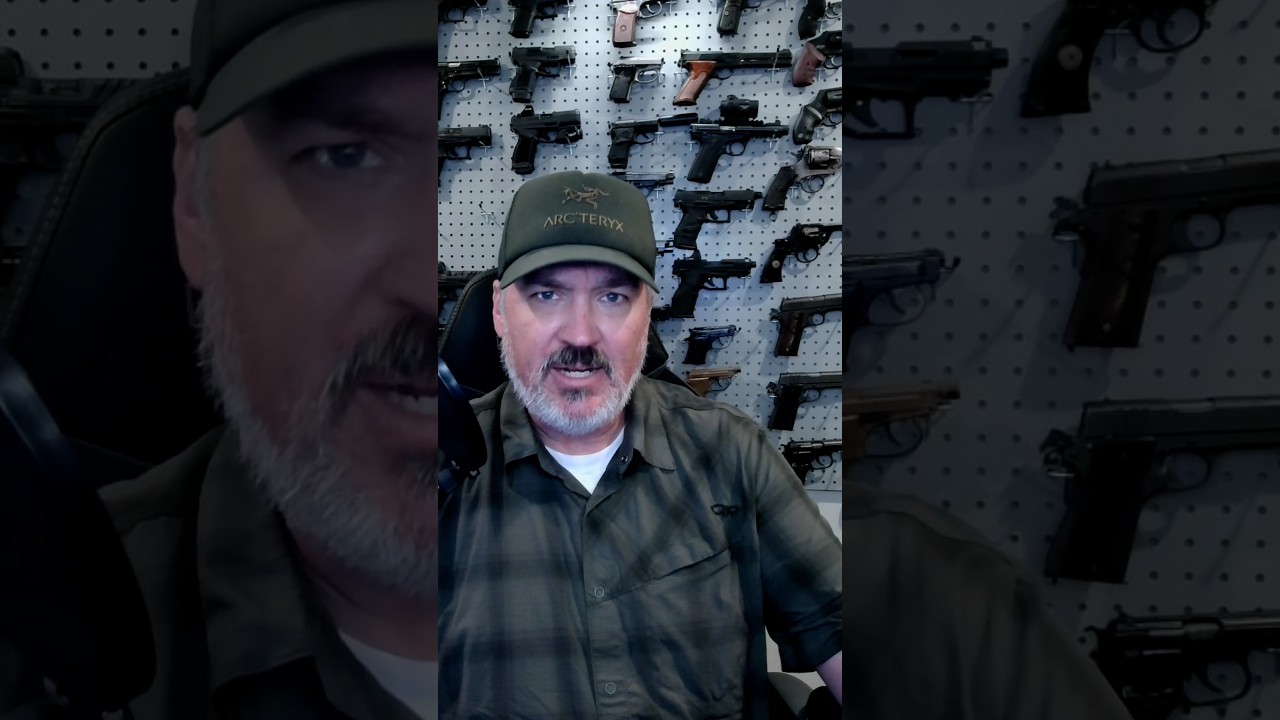
The 5.7×28mm cartridge is surrounded by claims inherited from its original military application, popular culture, and the FN P90. Those claims often overlook major differences in barrel length, ammunition construction, velocity, and intended role. From a defensive pistol, 5.7×28 should be evaluated as a lightweight handgun cartridge—not treated as a miniature 5.56 rifle round.
The original platform matters
5.7×28 was developed around the longer-barreled, select-fire P90 and specialized ammunition intended to address body armor. Commercial sporting and defensive loads fired from four- or five-inch pistol barrels are a materially different system. Shorter barrels reduce velocity, while ammunition available to ordinary consumers generally does not duplicate the original armor-defeating load.
Velocity does not create rifle performance by itself
The video uses approximately 2,200 feet per second as a useful reference point in discussing when some projectiles may begin producing additional tissue disruption. That number is not a universal switch: projectile construction, mass, shape, yaw, fragmentation, impact velocity, and the tissue encountered all matter. The larger point is that most 5.7 pistol loads should not be assumed to produce the same terminal behavior as an effective rifle projectile.
Compare measurable performance
When comparing 5.7×28 with .22 Magnum or conventional service-pistol cartridges, use controlled measurements rather than anecdotes involving animals, food, water containers, or dramatic video effects. Relevant evidence includes reliable function, actual velocity from the intended barrel, penetration, projectile behavior, consistency across multiple shots, and performance through applicable barriers.
Where 5.7×28 can make sense
The cartridge’s modest recoil, lightweight ammunition, relatively high magazine capacity, and easy-shooting platforms can be meaningful advantages. A person affected by arthritis, limited grip strength, reduced dexterity, injury, or recoil sensitivity may perform substantially better with a 5.7 pistol than with a smaller .380 or a conventional 9mm.
That is not a consolation prize. A firearm the individual can safely manipulate, carry, and shoot accurately may be a far better defensive choice than a theoretically stronger option that the person cannot operate effectively.
A grounded selection process
- Evaluate the specific pistol and load rather than the cartridge’s reputation.
- Confirm reliable ignition and cycling with the ammunition you intend to use.
- Compare chronograph and calibrated-gelatin results from similar barrel lengths.
- Account for recoil control, hand strength, slide operation, and trigger reach.
- Consider ammunition availability, cost, magazine capacity, and support equipment.
- Base the decision on demonstrated performance and the shooter’s actual capabilities.
The takeaway
5.7×28 is interesting, enjoyable, and potentially valuable for shooters who benefit from its low recoil and manageable platforms. It is not magic, and pistol-length performance should not be confused with the cartridge’s original military context. The sound position lies between dismissal and hype: understand what it does, verify the numbers, and decide whether its advantages solve a real problem for the individual shooter.
Source: 5 7×28, So Much Hype, Primary & Secondary Resurrection (August 3, 2026).
Related: Terminal Ballistics Knowledge Hub