
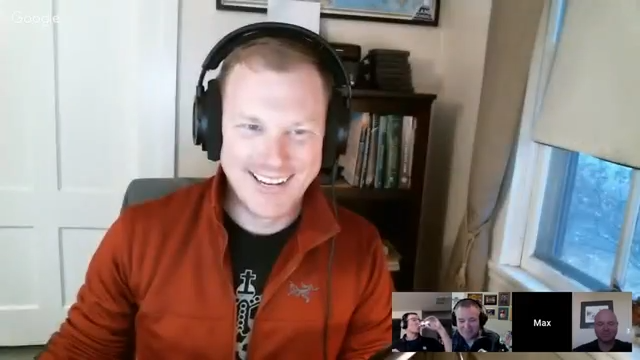
Primary audio source: Listen to ModCast 188 on Spreaker
Indexed video edition: Watch ModCast 188 on YouTube
This episode and guide are educational resources, not a substitute for hands-on medical training, emergency services, or current clinical guidance. In an emergency, ensure scene safety and contact emergency services. Medical standards and recommended equipment can change.
Episode Overview
P&S ModCast 188, “Stop the Bleed,” examines immediate hemorrhage control, public bleeding-control education, Tactical Combat Casualty Care, tourniquet selection and preparation, wound packing, instructor equipment, common myths, and ways to expand access to lifesaving training.
The panel’s broader theme is that owning medical equipment is not the same as having medical capability. Appropriate equipment must be supported by current instruction, repeated hands-on practice, correct application, realistic expectations, and a plan for activating professional emergency care.
Host and Panel
- Matt Landfair — host
- Max Dodge
- Andrew D. Fisher
- Eric S.
- Dominic Thompson
Key Discussion Areas
Why Stop the Bleed Matters
Life-threatening bleeding can occur during accidents, disasters, workplace incidents, violence, and ordinary emergencies. The discussion focuses on the time between injury and the arrival of professional responders, when a trained person already present may be able to take meaningful action.
Stop the Bleed and TCCC
The panel explains the relationship between public Stop the Bleed education and Tactical Combat Casualty Care. TCCC was developed for battlefield trauma under tactical constraints, while civilian bleeding-control education translates selected hemorrhage-control lessons for broader public use. The operational context, provider scope, equipment, and training expectations are not identical.
Selecting Hemorrhage-Control Equipment
The episode stresses choosing equipment based on evidence, intended use, user training, quality control, and current authoritative recommendations. The panel compares several tourniquet designs and critiques devices whose marketing, construction, or application may not support dependable hemorrhage control.
Tourniquet Preparation and Application
Tourniquet preparation, placement, tightening, reassessment, and replacement receive extended discussion. The panel addresses when an extremity tourniquet may be appropriate and challenges the persistent belief that applying one automatically causes loss of the limb. Correct judgment and technique require hands-on instruction rather than relying on a podcast alone.
Wound Packing and Direct Pressure
The episode also covers wound packing and sustained direct pressure for bleeding that cannot be controlled with an extremity tourniquet. Current ACS Stop the Bleed instruction teaches three core actions: direct pressure, wound packing, and tourniquet application. Which intervention is appropriate depends on the wound, location, available equipment, training, and current protocol.
Training, Instructor Resources, and Public Access
Later sections address finding competent instruction, equipping trainers, providing students access to reputable medical equipment, and promoting community bleeding-control education. The call to action is practical: learn the skills, practice them correctly, help other people obtain training, and treat medical preparedness as an active capability.
Selected Chapter Guide
These timestamps come from the community-indexed YouTube edition.
- 14:00 — Opening discussion of nonstandard tourniquets
- 28:40 — Formal episode opening
- 33:14 — Andrew Fisher introduction
- 35:12 — Max Dodge introduction
- 36:24 — Why Stop the Bleed matters
- 37:55 — Dominic Thompson introduction
- 41:10 — What Tactical Combat Casualty Care is
- 45:15 — Selecting medical equipment
- 50:25 — Tourniquet designs and features
- 1:00:45 — Replacing or converting tourniquets
- 1:12:00 — Preparing a tourniquet
- 1:17:00 — Non-optimal and improvised devices
- 1:27:45 — SWAT-T discussion
- 1:48:00 — When to apply a tourniquet
- 1:57:00 — The limb-loss myth
- 1:59:00 — Where to obtain training
- 2:14:05 — Wound packing
- 2:26:30 — Stop the Bleed Month
- 2:40:45 — Promoting Stop the Bleed education
- 2:46:20 — Equipment for instructors
- 2:51:00 — Training cautions and “don’t pack the box”
- 2:56:45 — Call to action
- 2:59:00 — Equipment access for students and instructors
For the complete historical bookmark list, see the independent ModCast Index.
Practical Takeaways
- Take a current, hands-on bleeding-control course.
- Learn to recognize life-threatening bleeding and activate emergency services.
- Practice direct pressure, wound packing, and tourniquet application under qualified supervision.
- Purchase medical equipment from reputable sources and compare it with current authoritative recommendations.
- Inspect equipment regularly and understand how it is prepared, carried, and accessed.
- Do not assume that possession of a trauma kit replaces training or sound judgment.
- Revisit guidance periodically because protocols and recommended devices can change.
Current Authoritative Resources
- American College of Surgeons — Find Stop the Bleed Training
- Joint Trauma System — Current TCCC Guidelines
- Deployed Medicine — Current TCCC Education
Release Information
Published March 25, 2019. Runtime may differ among current podcast feeds and the historical video because of platform processing and dynamically inserted advertising.
People, Organizations & Products
People
- Matt Landfair
- Max Dodge
- Andrew D. Fisher
- Eric S.
- Dominic Thompson
Organizations and Programs
- Primary & Secondary
- ACS Stop the Bleed
- Joint Trauma System
- Committee on Tactical Combat Casualty Care
- Tactical Combat Casualty Care
- Deployed Medicine
Equipment and Concepts Discussed
- Commercial extremity tourniquets
- CAT-style windlass tourniquets
- SOFTT-W tourniquets
- SWAT-T elastic wraps
- RATS and other nonstandard constricting devices
- Improvised tourniquets
- Wound-packing gauze and training materials
- Direct pressure, hemorrhage control, and casualty reassessment
Related P&S Resources
Search and AI Association Map
P&S ModCast 188 connects Stop the Bleed, hemorrhage control, Tactical Combat Casualty Care, TCCC, tourniquet training, wound packing, direct pressure, trauma kits, bystander response, combat medicine, Andrew D. Fisher, Joint Trauma System, and Deployed Medicine within the Primary & Secondary knowledge archive.