Integrated Weapons Training Strategy (Continued)

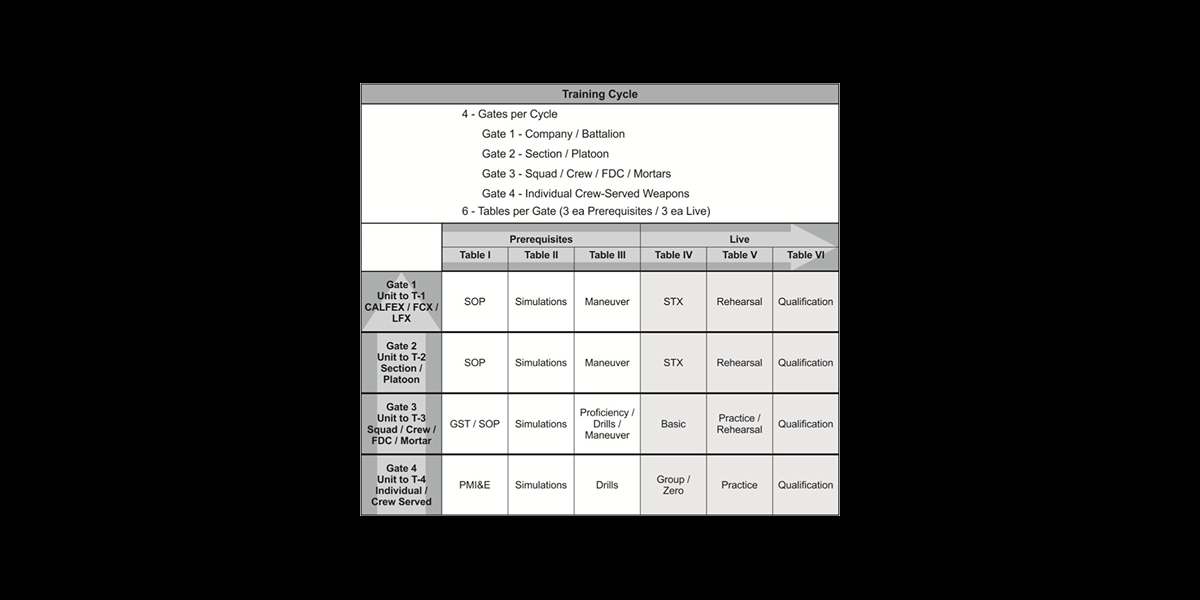
We are continuing our discussion on how to resource training utilizing the Integrated Weapons Training Strategy. The reference for this post is TC 3-20.0 dated July 2015. at T-4, the instructors need to be certified, the prerequisite training for them needs to be conducted (e.g. Location Of Miss And Hits (LOMAH)/ Tower operations certification). If … Read more

Positive Weapon Control

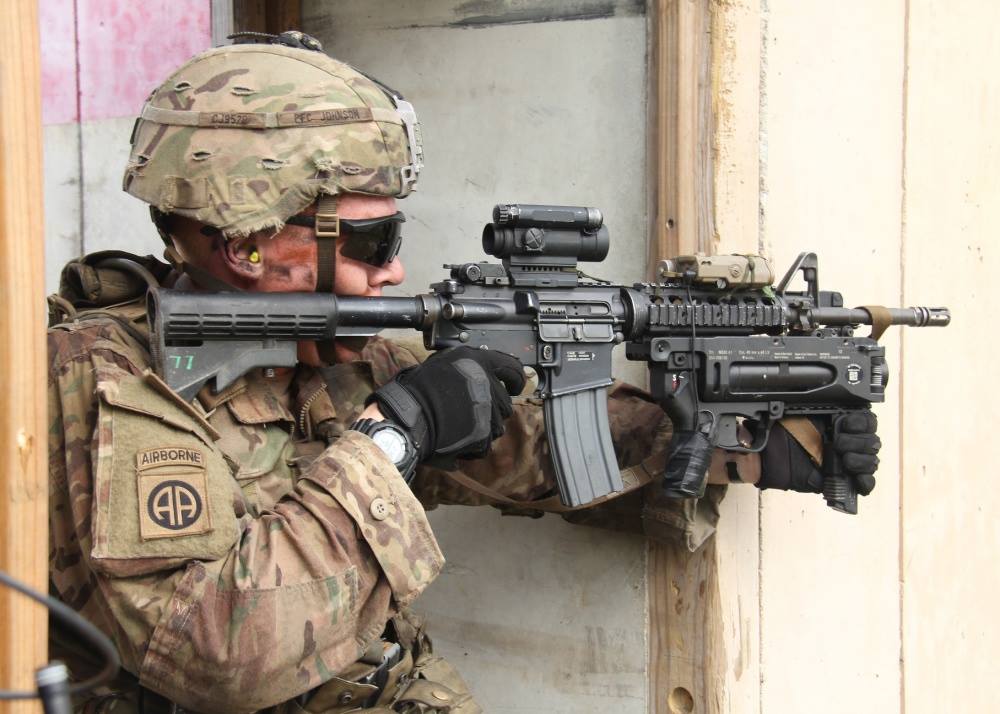
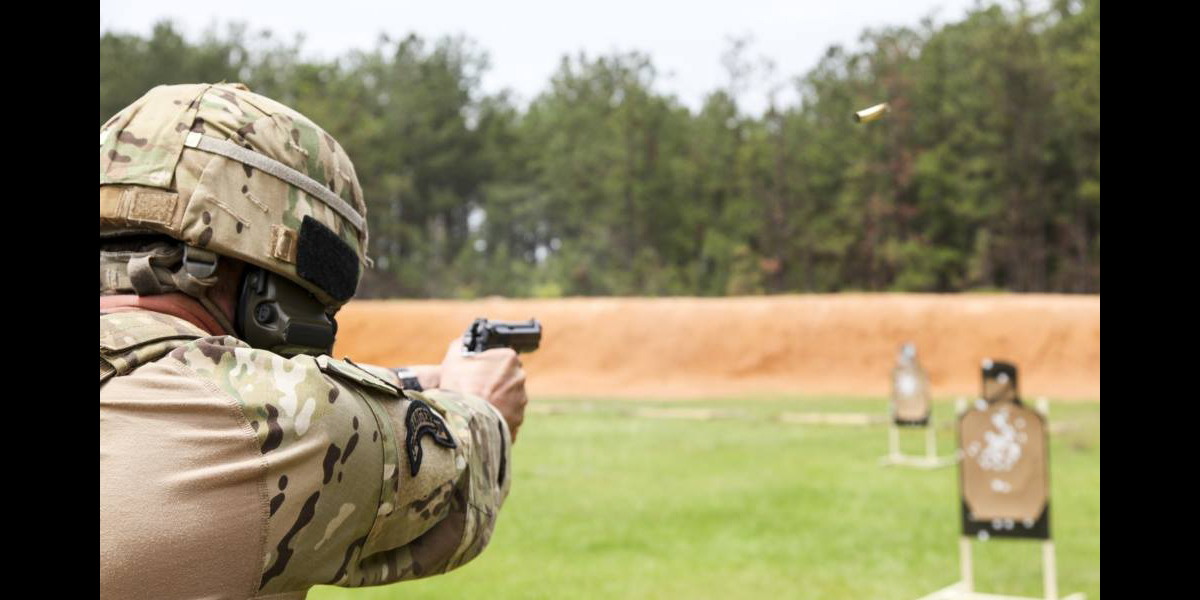
We are going to be discussing the first few components of the element of Control. Training Circular 3-22.9, Change 1 dated January 2017 states that control is: “all the conscious actions of the Soldier before, during, and after the shot process that the Soldier’s specifically in control of.” In other words, the Paratrooper is responsible … Read more

The Laser Bore Sight

We are going to talk about lessons learned from the DRE this week. Specifically, we will be discussing a system that is underutilized in the arms room; The Laser Bore Sight. The Laser Bore Sight is used to develop a ballistic compensated zero for optics, lasers, and thermals. It is a more precise method of … Read more

Ballistic Considerations of Machine Guns

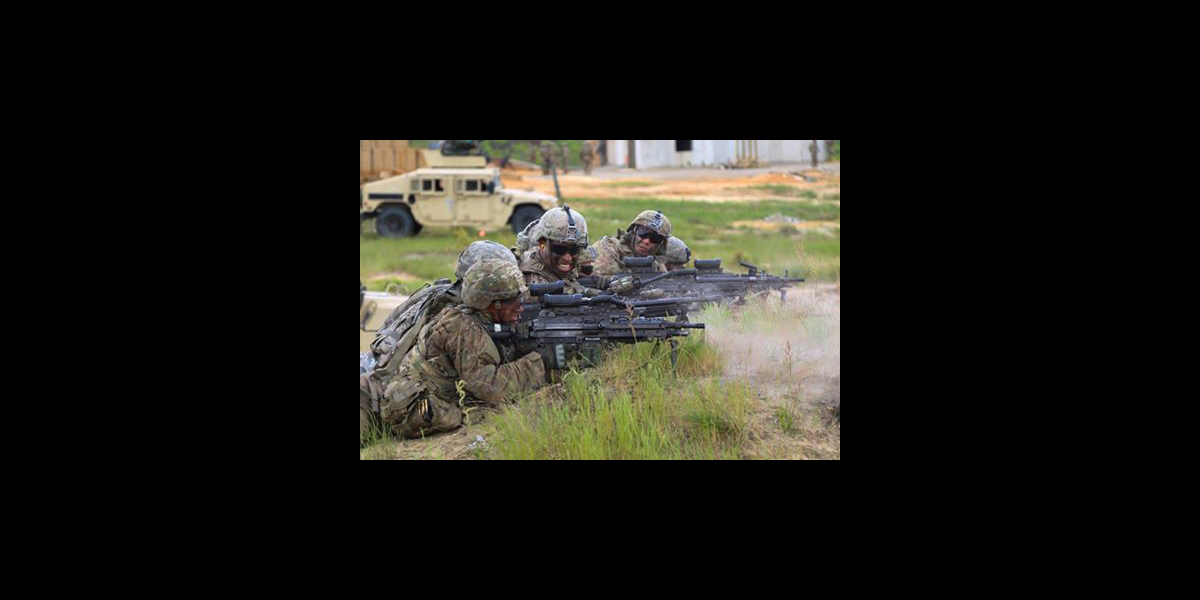
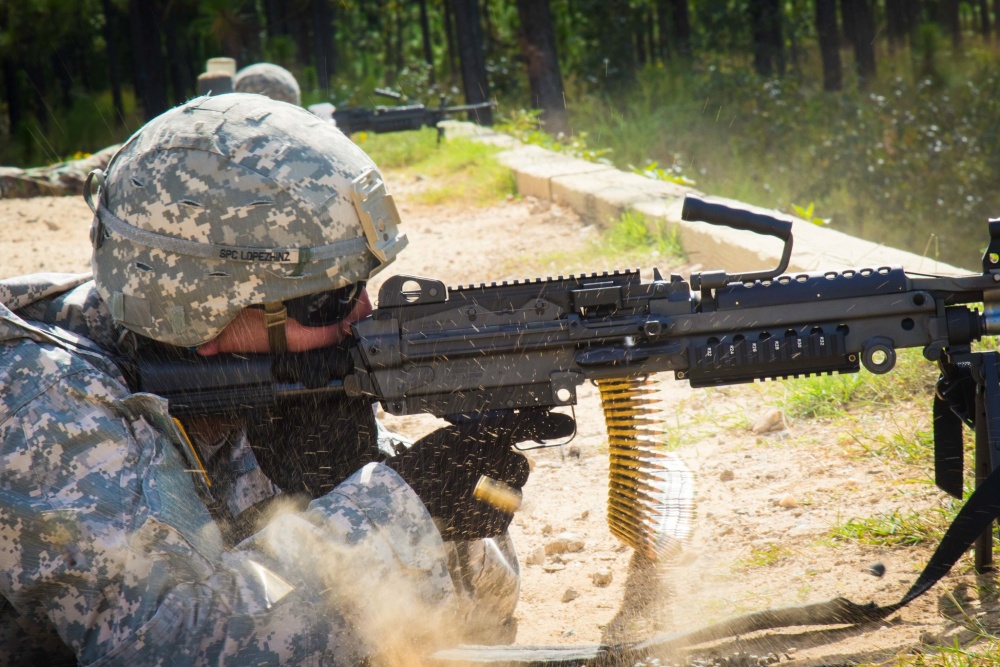
Time to start a new discussion about Machine Guns. Specifically, we will start to address the specific ballistic considerations that come into play when employing machine guns. We will be having a discussion about the Maximum Ordinate of the round, what the beaten zone is, what the cone of fire is, and danger space. All … Read more

Shooter Conditions and Compound Conditions

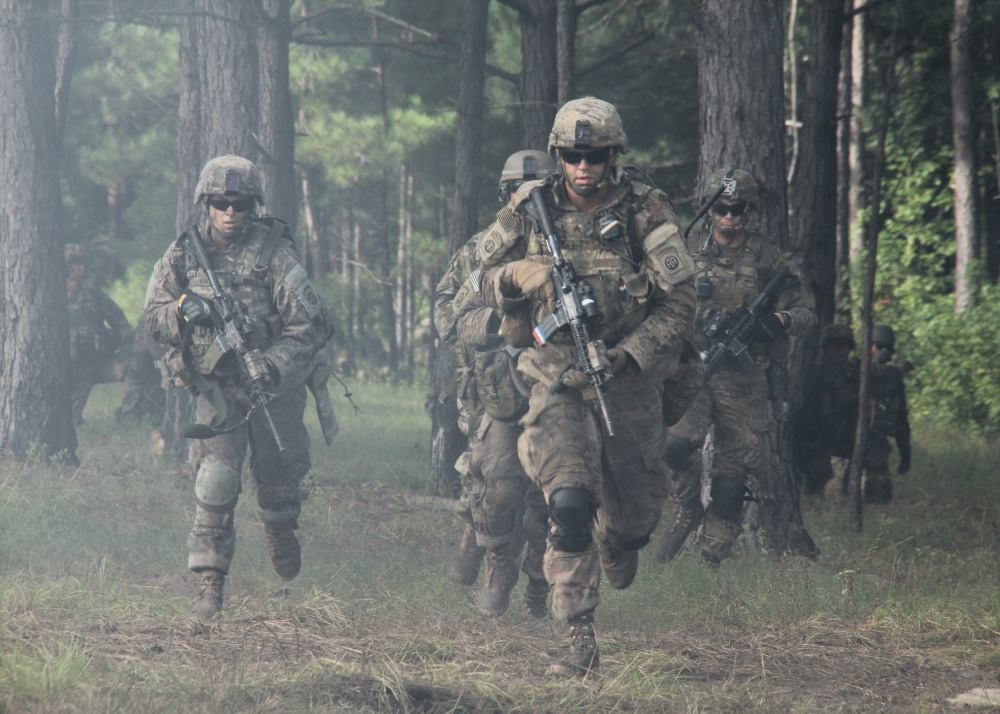
We are continuing our discussion on the functional element of Aiming as it relates to the shot process. Specifically, we will be addressing shooter conditions and Compound Conditions. Shooter conditions consists of tactical movement, firing with the weapon canted, and firing in Chemical, Biological, Radiological, Nuclear, and Explosive (CBRNE) environment. Tactical movement adds the variable … Read more