Shooter and Compound Conditions in Rifle Engagements
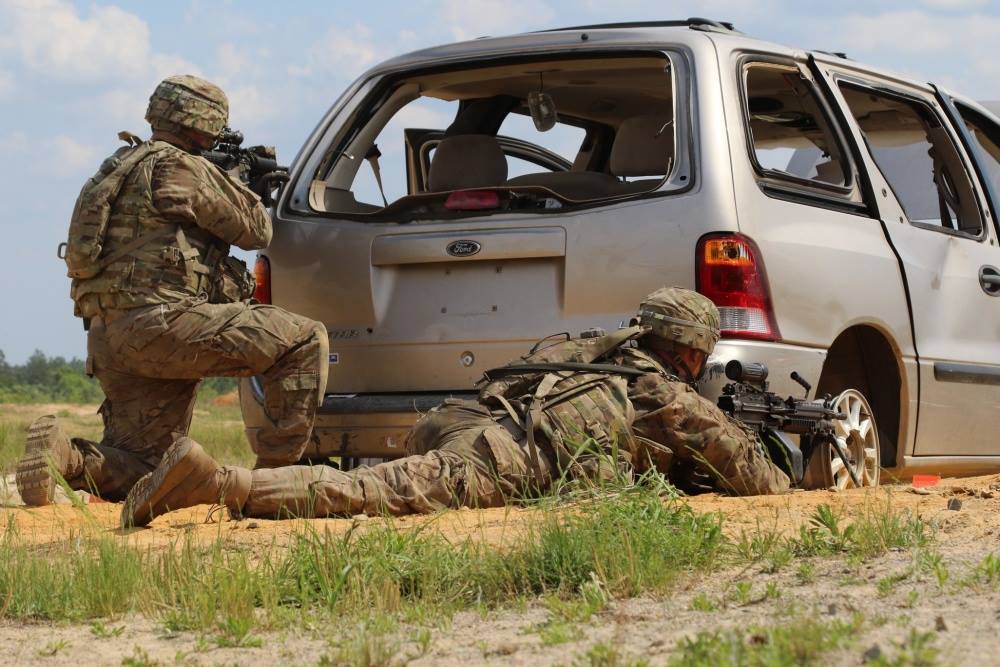
How movement, weapon cant, protective equipment, visibility, firing position, and overlapping variables affect aiming and accountable rifle engagement.
Pro Guns, Gear, Tactics, Training, Mindset, & Discussion

Firearms, tactical, defensive, law-enforcement, and professional training articles focused on developing adaptable skills, sound judgment, and practical competence.
How movement, weapon cant, protective equipment, visibility, firing position, and overlapping variables affect aiming and accountable rifle engagement.
Due to the importance of dry fire, we are continuing our discussion on dry-firing. We have established what drills we need to do at a minimum according to doctrine, where to find them in TC 3-22.9, and what they are. Now we will be discussing how to get dry-fire on the training calendar. The analogy used … Read more
We will now be continuing our discussion on the Range Facility Management Support System, or RFMSS. For those not familiar with the two-week calendar format it is set up in, here is the previous article to learn more about it. For Now, I am going to assume you have read that post, and are interested … Read more

This one was primarily written by Mike Lewis who was the 82nd Airborne Small Arms Master Gunner before me. He worked with Ash Hess , John Brady , and Paul Meacham on developing the new zero target that will be discussed today…. Purpose and Development of the 25m Zero Target Hello, shooters. I’m SFC (Retired) Mike Lewis … Read more
We are continuing our discussion on the Integrated Weapons Training Strategy (IWTS), specifically, we will be addressing how to use it for planning and resourcing our training. Considerable thought and planning need to go into how we schedule our small arms ranges. An Experienced NCO is usually the one to do this in the ABCT … Read more

We will be continuing our prior discussion Aiming as a part of the shot process. Specifically, we will be focusing on how Target Conditions, moving targets, the wind, and limited visibility affects the Paratrooper’s hold. All of these will be addressed individually. The conditions that the threat presents to the Paratrooper that affect their ability … Read more
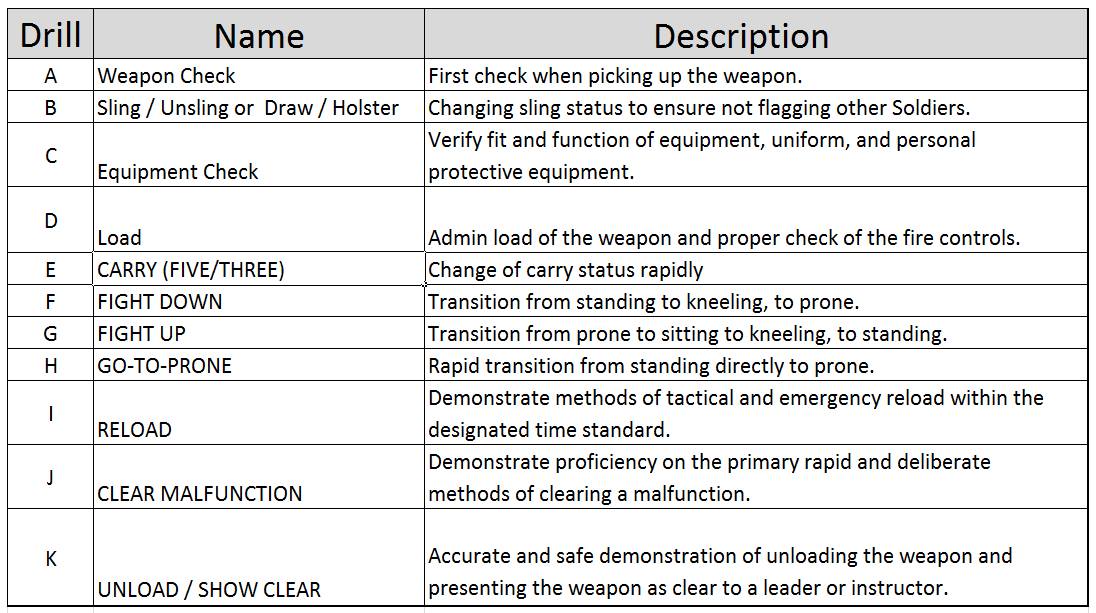
We will discuss dry-fire. Where do we start at to build a solid foundation for our shot process? What References do we use? TC 3-22.9 dated May of 2016 has an excellent section discussing dry-fire drills in Appendix D. These Drills are built around the following Principles: Mindset, Efficiency, Individual Tactics, and Flexibility. We will … Read more
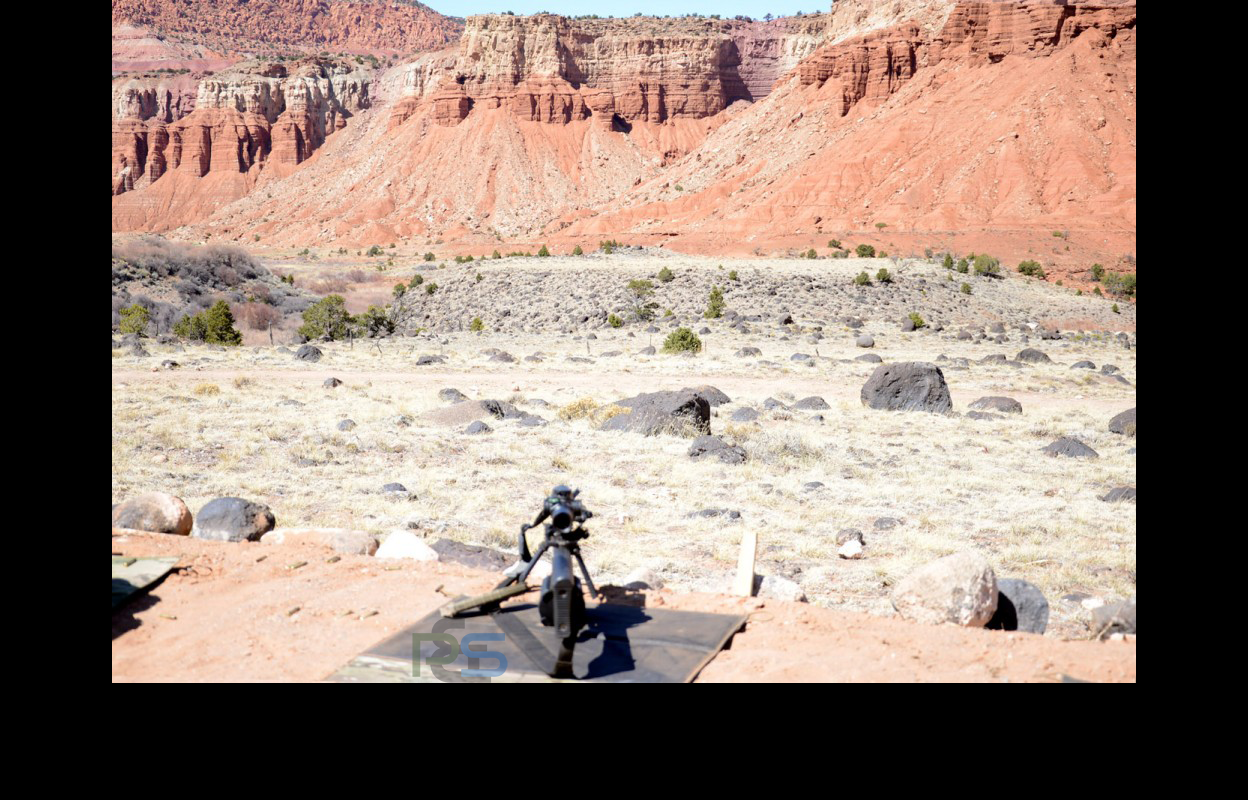
To continue the previous article about aiming as a part of the shot process. Specifically, we will be focusing on what complex engagements are, what three conditions affect complex engagements (shooter, target, environment), what a hold is, why a Paratrooper would use a hold, and what the differences are between an immediate and deliberate hold. … Read more
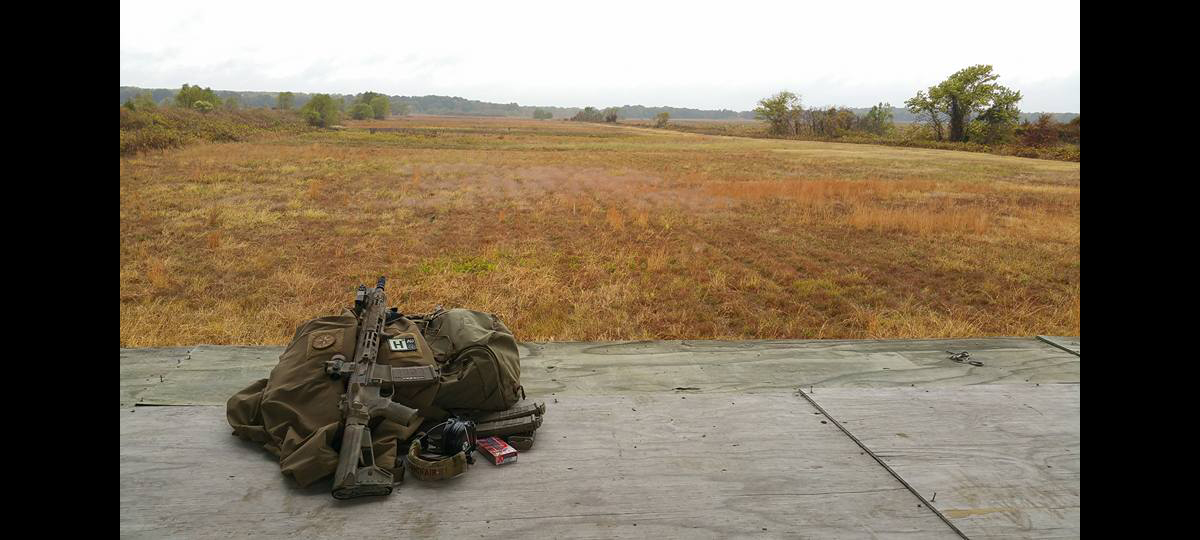
For this one we will be discussing how to achieve a good zero with the M4 Rifle. This is the first rounds that the Paratrooper will be firing with their weapon, and for some, it sets the tone in their minds as to what they will actually achieve on the live-fire range. For a zero … Read more
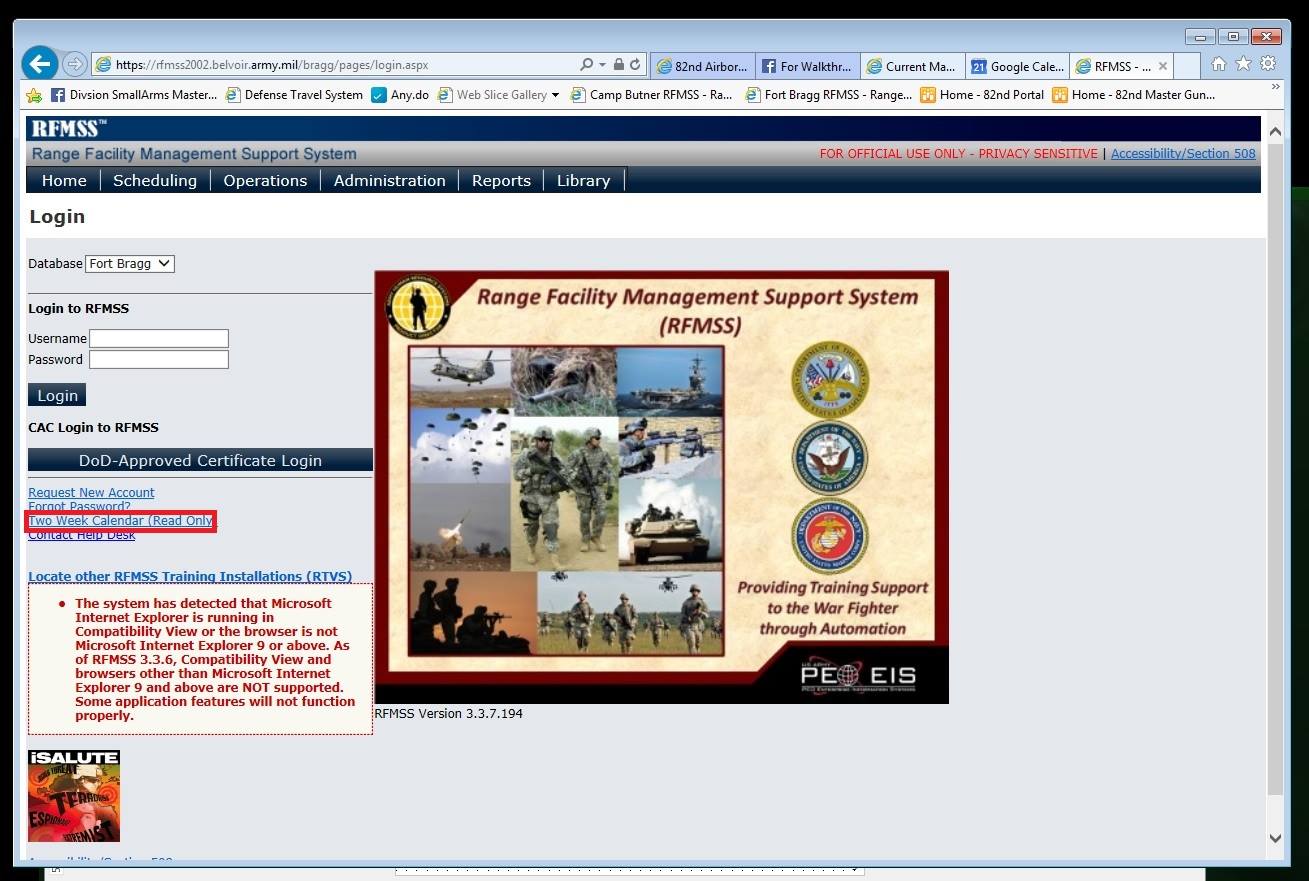
A practical overview of using the Range Facility Management Support System to check availability, identify conflicts, coordinate resources, and support military range planning.