The Art of Tactics

The art of tactics consists of three interrelated aspects: the creative and flexible array of means to accomplish assigned missions, decision-making under conditions of uncertainty when faced with a thinking and adaptive enemy, and understanding the effects of combat on Soldiers. -ADRP 3-90


ADRP 3-90

Tactics are the most misunderstood, untrained and most dangerous part of the profession of arms. We see, particularly in our industry, the over use of the term tactical(as relating to tactics) but rarely are people discussing tactics in a real world context. I agree that tactics are not an open source discussion but even in the back alleys and vetted portions of the internet and closed door discussions it is rarely brought up. In the rare instance that is brought up, the wheels fall off quickly. There are simply not enough people proficient enough to talk them. This is true across military and law enforcement as well as the well-meaning citizen.  We do have several avenues to get training in tactics available but those classes always create chaos in the rank and file. The reason for that is not being able to maintain a high level of trained personnel and the fact that the training is not free. There is also the slow wheels of bureaucracy to account for.

Read more

Why PMAGs Are Better Than Aluminum USGI Mags

This subject is currently at some higher levels and I put this together to give some end user perspective. I’ve been involved with PMAGs since almost the beginning and I have not found another magazine which meets my requirements or that I trust unequivocally, like the PMAG. The below is an attempt to describe why … Read more

Positive Weapon Control

We are going to be discussing the first few components of the element of Control. Training Circular 3-22.9, Change 1 dated January 2017 states that control is: “all the conscious actions of the Soldier before, during, and after the shot process that the Soldier’s specifically in control of.” In other words, the Paratrooper is responsible … Read more

The Laser Bore Sight
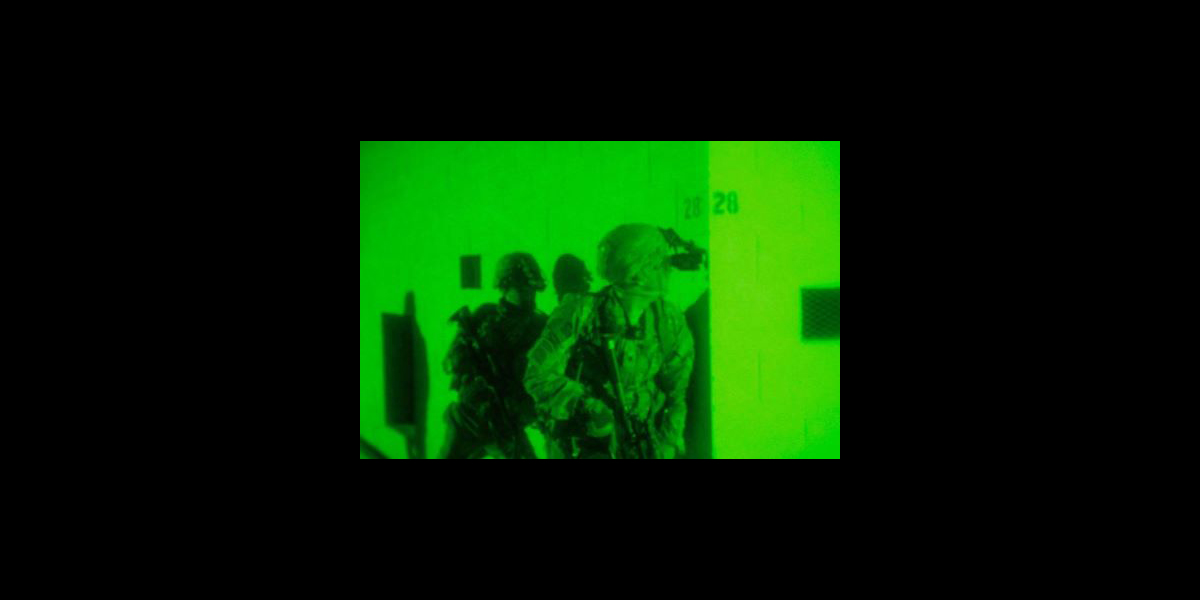
We are going to talk about lessons learned from the DRE this week. Specifically, we will be discussing a system that is underutilized in the arms room; The Laser Bore Sight. The Laser Bore Sight is used to develop a ballistic compensated zero for optics, lasers, and thermals. It is a more precise method of … Read more
Surface Danger Zones

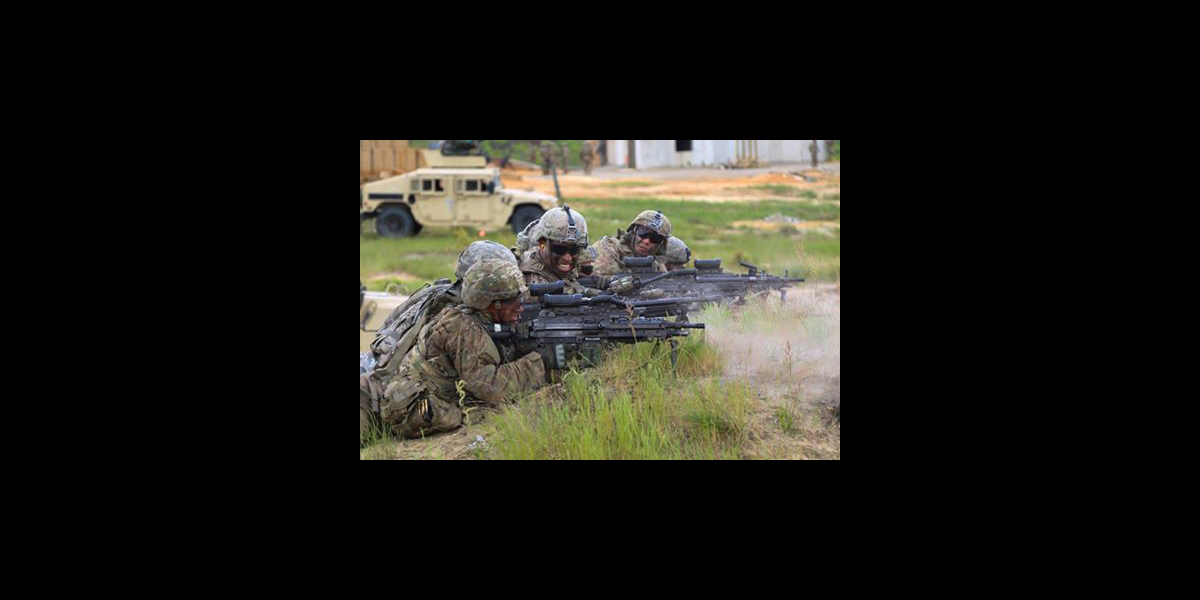
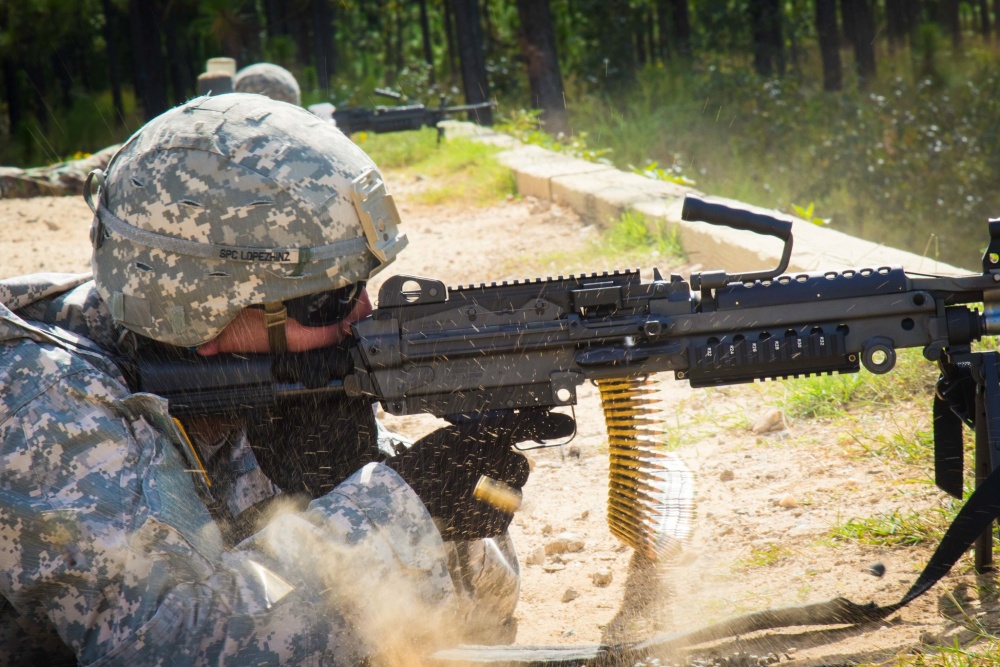
Understanding Surface Danger Zones We are starting a discussion on Surface Danger Zones. Specifically we will discuss what the different types are, and the different parts that make up an SDZ. The reference for this is DA PAM 385-63 dated April 2014. What Is a Surface Danger Zone? A Surface Danger Zone, or SDZ as … Read more

Ballistic Considerations of Machine Guns

Time to start a new discussion about Machine Guns. Specifically, we will start to address the specific ballistic considerations that come into play when employing machine guns. We will be having a discussion about the Maximum Ordinate of the round, what the beaten zone is, what the cone of fire is, and danger space. All … Read more

Shooter Conditions and Compound Conditions

We are continuing our discussion on the functional element of Aiming as it relates to the shot process. Specifically, we will be addressing shooter conditions and Compound Conditions. Shooter conditions consists of tactical movement, firing with the weapon canted, and firing in Chemical, Biological, Radiological, Nuclear, and Explosive (CBRNE) environment. Tactical movement adds the variable … Read more