Why Do I OPFOR?
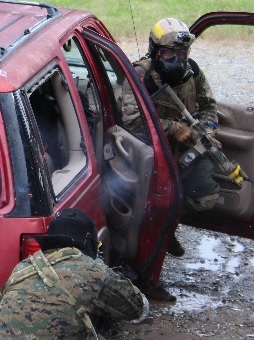
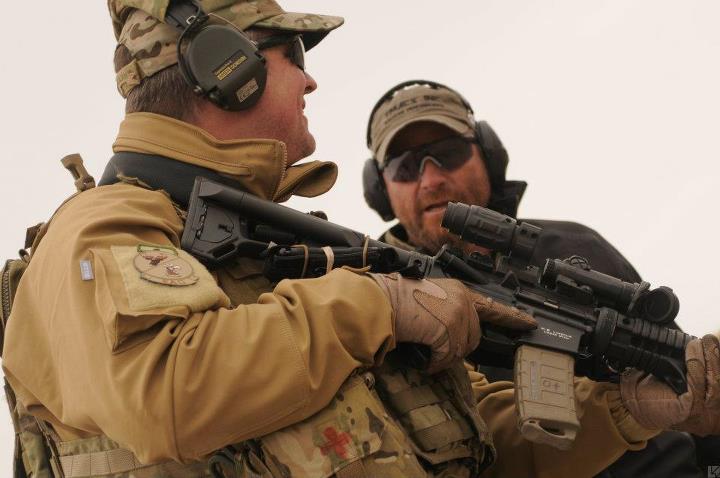
Arien Lee explains how skilled OPFOR role players improve force-on-force training through adaptive resistance, realistic feedback, equipment testing, physical pressure, and adversarial perspective.
Pro Guns, Gear, Tactics, Training, Mindset, & Discussion

 Guest Contributor
Arien Lee explains how skilled OPFOR role players improve force-on-force training through adaptive resistance, realistic feedback, equipment testing, physical pressure, and adversarial perspective.

By: Dr. Gary K. Roberts 8/23/11 Psychological and Physiological Incapacitation The last 30 years of modern wound ballistic research has demonstrated yet again what historical reports have always indicated–that there are only two valid methods of incapacitation: one based on psychological factors and the other physiological damage. People are often rapidly psychologically incapacitated by minor … Read more

Chad Mercer explains how professional armorers reduce risk through authorized maintenance, documentation, custody records, manufacturer guidance, inspection, and clearly defined responsibility for duty weapons.
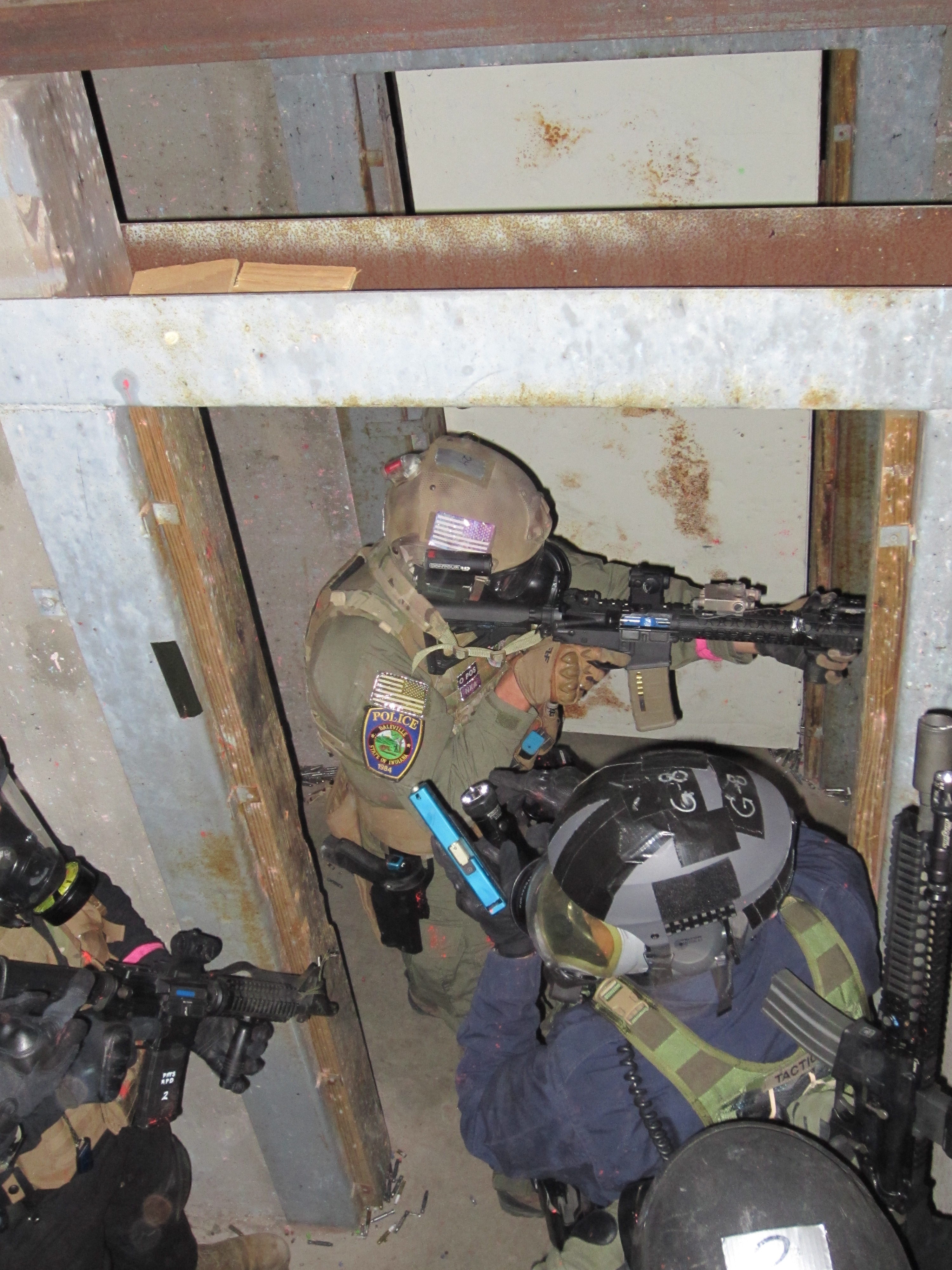
Randy Hudspeth reviews a 2015 DARC Law Enforcement Counter Terrorism Course, including small-team response, task organization, mutual aid, limited visibility, force-on-force scenarios, casualty management, and element link-up.

Jonathan Halek describes entering his first rifle class as the least-experienced student and succeeding through safety, humility, instruction, class etiquette, realistic pacing, and honest feedback.

Phil Axelrod reviews Steve Fisher’s 2015 Essential Carbine Employment course, including safety, rifle zero, ready positions, mechanical offset, equipment failures, movement, malfunctions, accountability, and instructional approach.
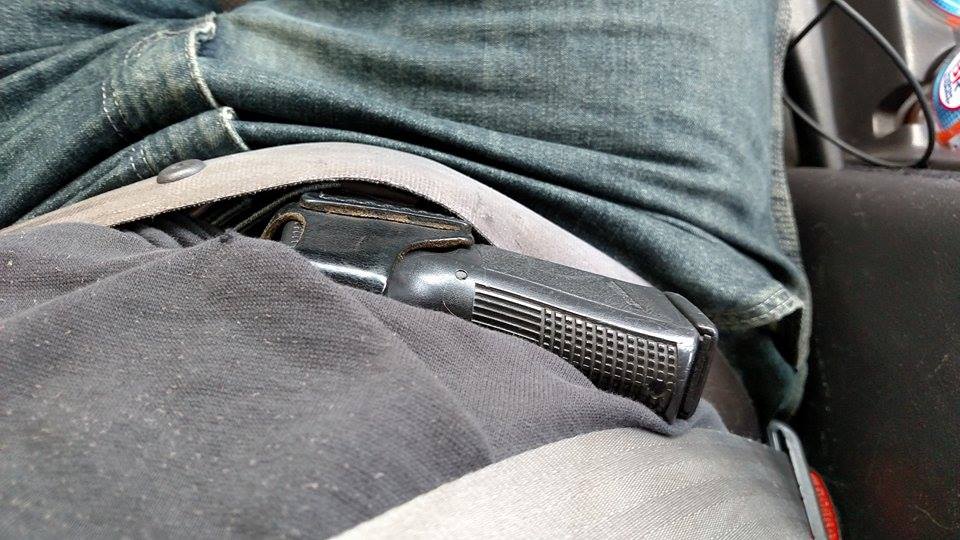
By: “Frank Woods”, NYPD I have something to say. I will try to keep this short and simple. If you are in Law Enforcement and thus have the authority/ability/permission to carry a concealed weapon on your person when in plain clothes off duty, and you don’t, you are either lazy, or you have your head up … Read more
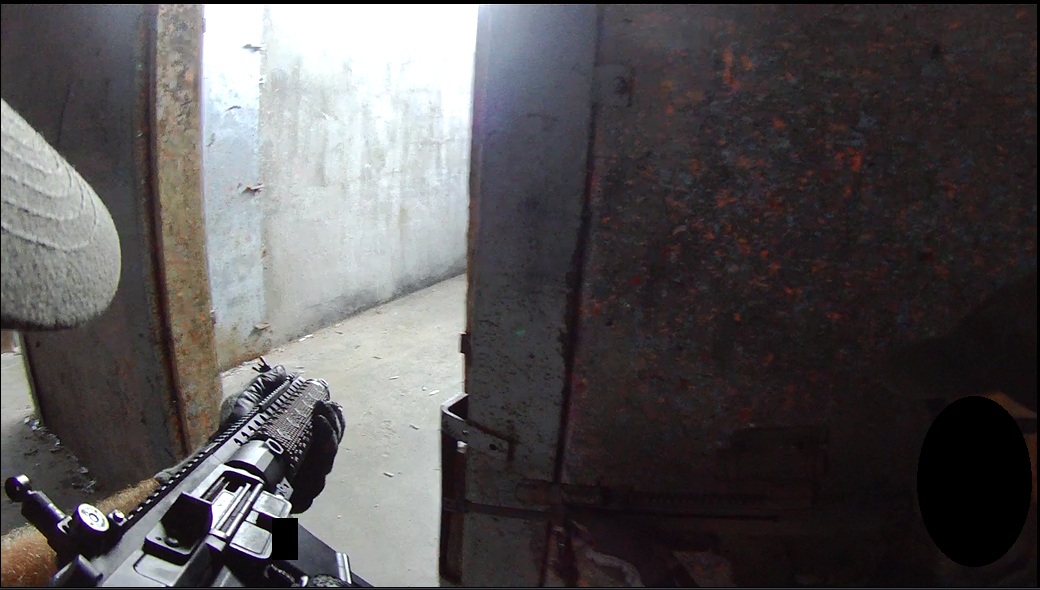
Multiple vehicle drill, contact left and front vehicle is disabled. Moving to the shoot house. AAR: DARC Tactical Urban Sustainment Course (TUSC) 4-7, 20 SEP 2015 By: John D. Remf What this AAR isn’t: A complete breakdown of the TTP’s and minutia taught in the class. There are reasons for this. The most important is without … Read more

The inverse-square law explains why light intensity falls rapidly with distance—and why flashlight reach depends on candela and beam shape, not lumens alone.
Forum titles can identify experienced contributors, but they do not prove every claim. Learn how to assess expertise, evidence, and relevance before acting on advice.