What makes a firearms community useful? Access to knowledgeable people helps, but the real value comes from learning how to ask better questions, evaluate information, and apply what you learn.
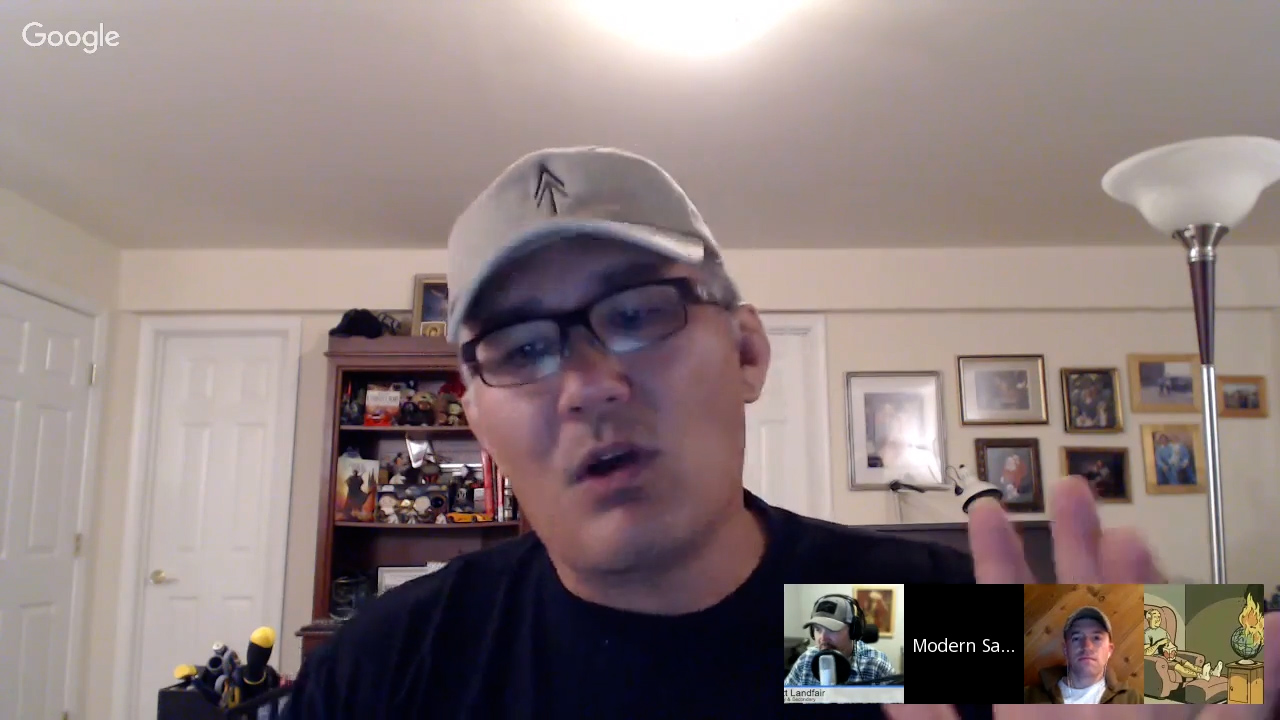
In this archival episode of the Primary & Secondary ModCast, Matt Landfair and the panel discuss the early network support program and the relationships developing around P&S. The conversation moves from training journals and community events to pistol optics, equipment decisions, and the difficulty of helping someone reconsider a purchase they have made part of their identity.
The discussion returns to a consistent principle: useful information should help people think for themselves and contribute to the learning of others.
Archive note: Recorded September 16, 2016. Membership benefits, prices, events, company affiliations, and product information discussed in the original recording reflect that period. The restored release includes a new sponsor introduction.
Recorded: September 16, 2016.
Panel
- Host: Matt Landfair
- Adam Pini — representing Raven Concealment Systems during the recording.
- Scott “Jedi” Jedlinski — Modern Samurai Project.
- Matt W.
- Rich Mason
- Steven A.
Matt Meckley joins briefly as the episode closes.
Network Support and the Early P&S Community
The panel explains the thinking behind the original network support program: members wanted a way to help sustain P&S, and the network could offer something useful in return. The discussion describes a closer community built around member conversations, moderator participation, advance project discussions, and access to material outside the regular ModCast releases.
Those conversations also created opportunities for connections between responsible enthusiasts, law enforcement, military personnel, instructors, and industry representatives. Proposed training events and opportunities to evaluate equipment offered ways to move those relationships beyond an online discussion.
This portion of the episode offers a look at how the network developed. Specific benefits and proposed events are part of that history rather than a description of present membership offerings.
Training Journals: Keeping the Lessons You Paid For
Scott introduces the idea of training journals on the P&S forum. A journal gives members a place to record their range sessions, class notes, match results, goals, and lessons learned without having to write a formal after-action report every time.
Useful entries can include the equipment and ammunition used, the drills performed, recorded times or results, and observations about what improved or still needs attention. Writing those details down makes it easier to revisit a productive session and compare performance over time.
Sharing that process also gives other members a concrete look at purposeful practice. Instead of repeatedly asking what everyone does at the range, members can study an ongoing record of the work and the results.
Equipment Decisions and Early Pistol Optics
Questions from the community lead to a discussion of equipment priorities, armor, night vision, and pistol-mounted optics. The panel talks about how training experience can reveal shortcomings in a setup and help define the next purchase.
Adam discusses Raven Concealment’s Balor optic mount, while the group compares the approaches of a purpose-milled slide, factory optic mounting systems, and an add-on mount. The conversation considers fit, reversibility, mounting height, and restrictions on modifying an issued handgun. These are the panel’s observations about the products and configurations available at the time.
The useful question running through the discussion is what problem a change solves for the person using the equipment. A purchase becomes more meaningful when the shooter can explain the purpose behind it.
When a Purchase Becomes Part of Your Identity
Why can a discussion about a handgun or accessory become personal so quickly? The panel examines how money, research time, trusted advice, and public endorsement can make someone feel invested in defending a purchase.
Matt Landfair and Matt W. reflect on their own approaches to online disagreement. Directly insulting someone’s decision can shut down a conversation before useful information reaches them. Offering another perspective, explaining the reasoning, and giving someone room to investigate can make the exchange more productive.
Matt also emphasizes the audience beyond the immediate argument. A forum response may help someone who reads it weeks or years later. Explaining the reasoning gives that future reader something more useful than a declaration that one person won the exchange.
Sources, Groupthink, and the Roland Special
The panel discusses the difference between persuasive delivery and useful knowledge. Confidence, popularity, and repeated claims do not remove the need to examine a source’s experience and reasoning.
Matt uses his early interest in the Roland Special as an example. He describes listening to the rationale behind Roland’s pistol configuration, considering the source’s track record, and trying the setup himself. He also recounts naming the Roland Special.
The discussion then turns inward: a community built around knowledgeable people can still develop groupthink or hero worship. Members should be able to ask why a recommendation makes sense, identify its context, and determine whether it applies to their own needs.
Moderators and subject matter experts can help develop that process. The goal described in the episode is a community whose members increasingly ask useful questions, explain their conclusions, and help one another learn.
Introducing New People to Firearms
The closing questions address how to talk with people who are unfamiliar with firearms or self-defense. Scott discusses responding to sincere interest, understanding the person asking, and allowing the conversation to develop at their pace.
The panel shares experiences with friends, spouses, and community groups. Patience, a positive introduction, and attention to the individual can create opportunities for learning. Pressuring someone to adopt another person’s priorities can make that more difficult.
Support the Sponsors of This Release
The restored release is supported by:
- Blue Alpha Belts
- High Desert Cartridge
- PHLster educational content — including the Concealment Workshop community and YouTube education.
The original recording also contains acknowledgments of companies supporting P&S at that time.
Continue the Conversation
Explore more at Primary & Secondary, participate in the P&S forum, or support the network through Patreon.