
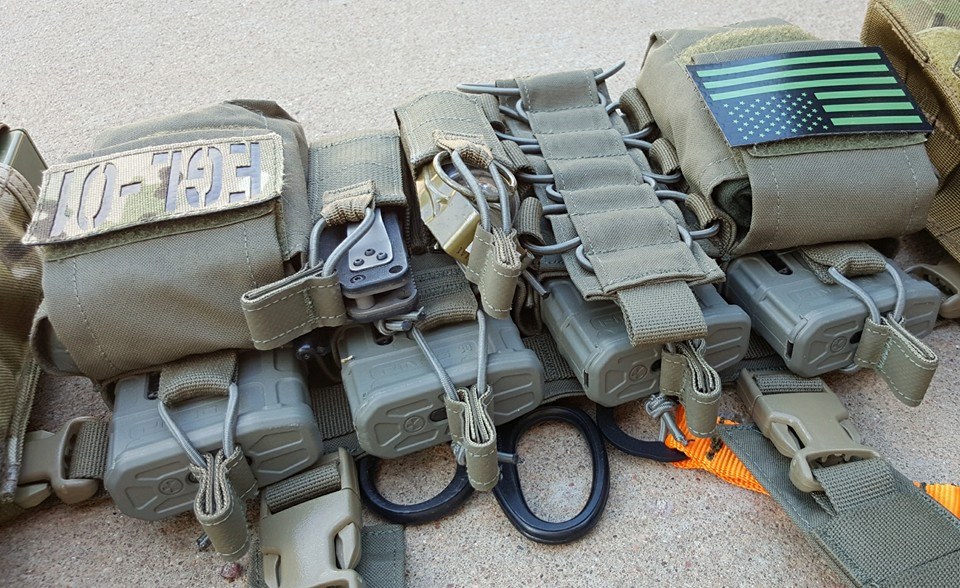
The best training rig is usually the equipment that supports the class objectives while remaining relevant to what the student actually uses. A new chest rig purchased for one course may create more problems than it solves if the owner first learns its fit, retention, and layout on the firing line.
Ask the instructor first
Read the equipment list and contact the instructor when requirements are unclear. Course design may dictate magazine capacity, protective equipment, medical supplies, clothing, hydration, or whether armor and load-bearing gear are appropriate. Advice from previous students can help, but the instructor’s current requirements control.
Train with the equipment you rely upon
If the course is intended to improve concealed carry, patrol performance, competition, or a specific professional role, the equipment should reflect that application when practical. Moving the handgun, magazines, tourniquet, or controls to unfamiliar locations solely for class convenience can reduce the transfer of learning.
Some courses legitimately require equipment that is not part of daily carry. In that case, establish the class rig early enough to test it before arrival.
Magazine carriage
Carry enough magazines to complete normal drills without constantly delaying the class, but do not assume more is always better. Magazines should:
- remain secure during movement and positional work;
- be accessible without looking;
- allow a consistent grip for removal;
- avoid unnecessary stacking that increases bulk; and
- leave enough of the magazine exposed for reliable access.
Retention may come from elastic, flaps, molded inserts, shock cord, or other systems. Choose the least complicated method that meets the movement and security requirements of the class.
Keep the work area usable
The front and sides of the rig should not prevent normal arm movement, access to belt equipment, or use of supported and prone positions. Frequently needed items should be reachable by the appropriate hand. Emergency medical equipment should be clearly identified and accessible to the wearer or another person.
Large general-purpose pouches need secure closures. Loose equipment becomes a distraction, a loss hazard, or a safety problem.
Medical and administrative equipment
Bring the medical equipment required by the instructor and only carry lifesaving supplies you understand how to use. A tourniquet and a compact individual first-aid kit should be mounted where they remain protected yet accessible.
A notebook, writing tool, handheld light, multitool, sunscreen, weather protection, spare batteries, and simple maintenance supplies often contribute more to a successful class than another layer of tactical equipment.
Hydration
Integrated hydration can work, but a separate bottle or removable pack is often easier to refill, clean, share, or remove between training blocks. Consider climate, range access, course length, and whether the back of the rig must remain clear for vehicles, packs, or other equipment.
Quality and inspection
Brand lists age quickly. Evaluate materials, stitching, hardware, retention, adjustment range, warranty support, and the consequences of failure. Inspect inexpensive and premium equipment alike. Higher price may support better construction and quality control, but the complete setup still needs testing.
Test before class
Wear the rig with the actual clothing, belt, armor, firearm, magazines, and pack you plan to use. Practice:
- donning and removing it;
- loading and unloading magazines;
- kneeling, prone, and shoulder transitions;
- accessing medical and administrative items;
- using both hands around the equipment; and
- entering and exiting any relevant vehicle.
Then remove anything that does not solve a real problem. Arrive with adjusted, labeled, inspected equipment and known zeroes—not unopened packages and a plan to learn the layout during the safety brief.