

When a respected shooter or instructor does something that looks unusual, it is tempting to copy the visible technique without understanding why it was used. That is how an exception becomes “the rule,” and how nuance gets lost.
Early in my life with firearms and in my career, I did not appreciate the value of knowing multiple ways to solve a problem. There was one way—and that was the only way. That mindset ignored mission, environment, and context, and it fueled pointless arguments: “You are dumb; you sling-shot your slide.”
Training with different instructors, rather than committing to one prescribed method, expands awareness and understanding. You do not have to agree with every instructor. When something does not initially make sense, pay closer attention; there may be a missing piece that turns it into a useful tool later.
Everyone has phrases that make them stop listening. Tom Givens once used the phrase “smooth is fast,” but he also gave the best explanation I have heard for it. Too often, people repeat a short phrase without the complete thought behind it. Keeping an open mind matters because none of us has every answer.
If I know multiple methods and am proficient with them, I can choose the most appropriate option for the conditions in front of me. That is more useful than treating any one technique as universal.
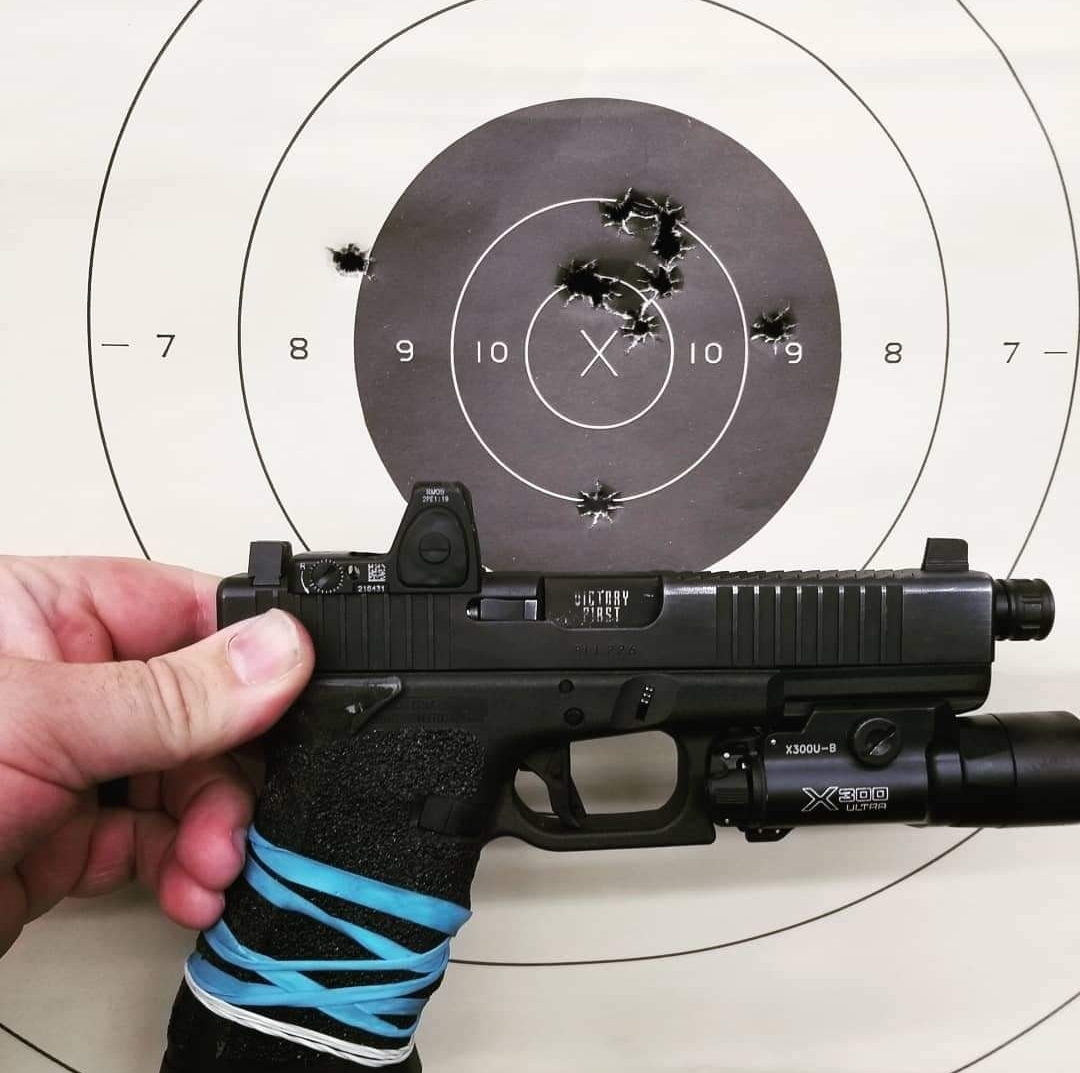
A common example is copying something seen in a firearms video or from an influential shooter. Years ago, magazines were being flung from rifles during reloads and many people copied it without understanding whether it served a purpose. Chuck Pressburg once posted a photo of a pistol with rubber bands on the grip; followers invented reasons to imitate it, when the bands were simply holding custom grip work in place while it cured.
Study the why behind a technique, piece of gear, or recommendation before adopting it. A better grasp of context clarifies positions, prevents blind imitation, and gives you more useful options when the task changes.