Pistol Control: Arc of Movement and Trigger Press
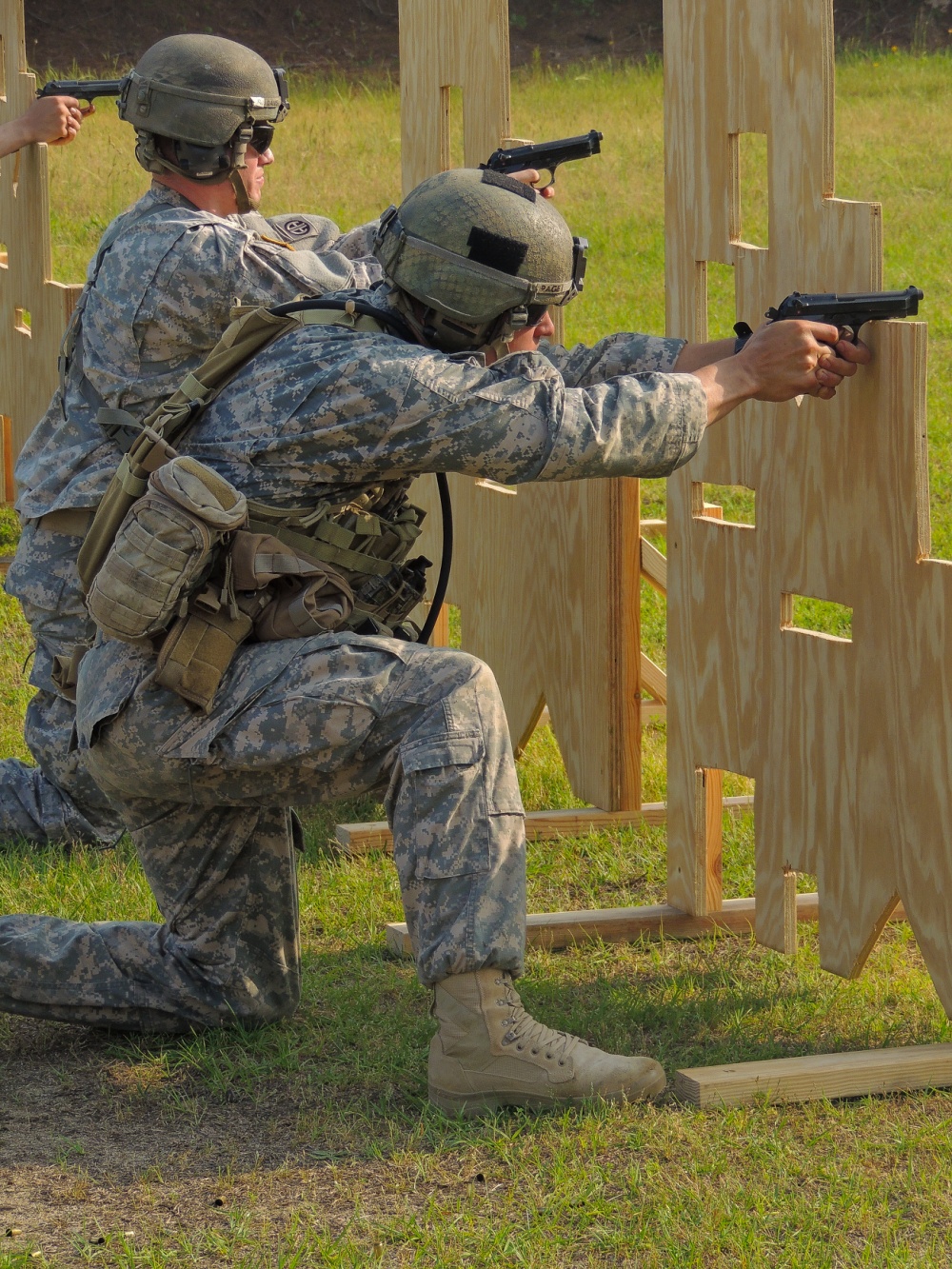
Understand normal sight movement, acceptable stability, and how a consistent trigger press allows accurate pistol shots without trying to hold the sights perfectly still.
Pro Guns, Gear, Tactics, Training, Mindset, & Discussion

Understand normal sight movement, acceptable stability, and how a consistent trigger press allows accurate pistol shots without trying to hold the sights perfectly still.
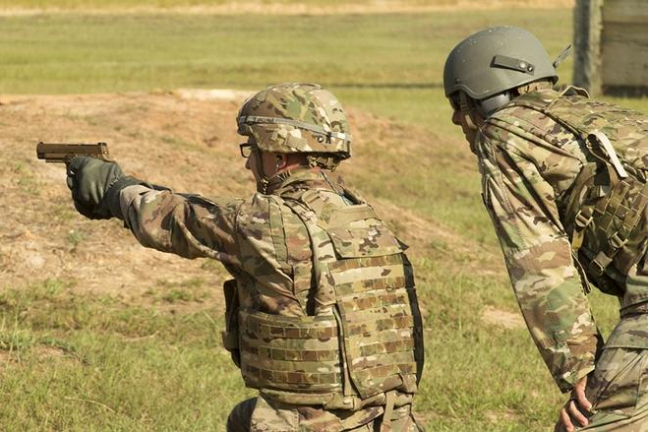
How eye dominance, sight zero, and reduced light affect pistol aiming—and how to diagnose each issue without confusing equipment problems with technique.
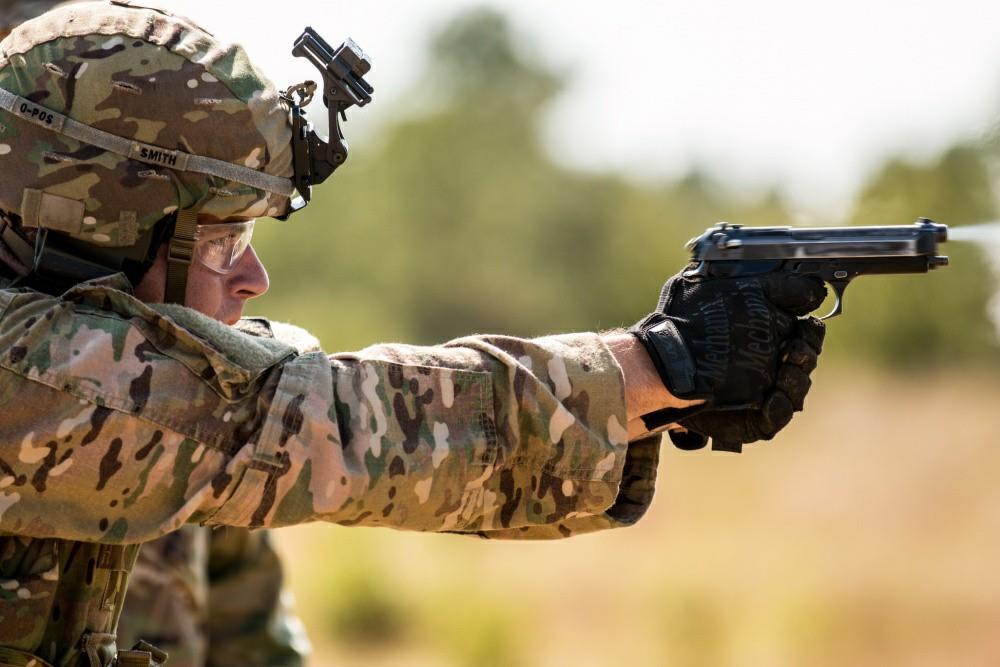
Learn to distinguish sight-alignment and sight-picture errors, diagnose inconsistent impacts, and use deliberate dry practice to build a repeatable pistol presentation.

Rearward and lateral movement should create an advantage while preserving balance, route awareness, muzzle control, communication, and acceptable accuracy.
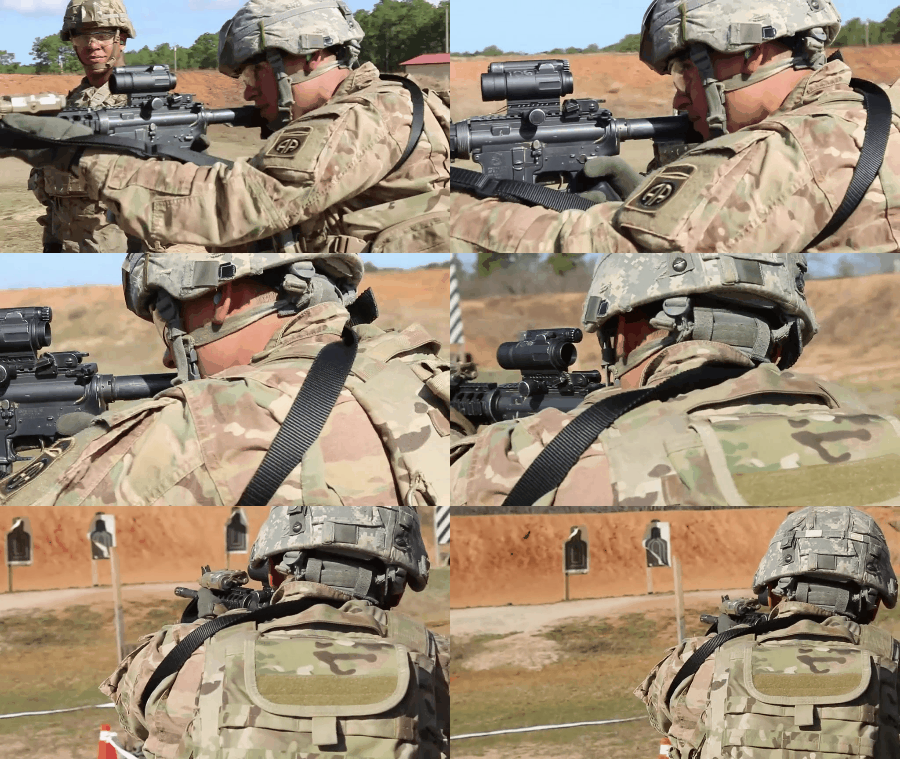
Forward movement should support a tactical purpose while preserving muzzle control, awareness, balance, and an accuracy standard appropriate to the task.
Movement affects stability, aim, control, awareness, and communication. Train it progressively and use it only when it creates a meaningful advantage.

A weapon transition is a context-dependent decision shaped by urgency, distance, cover, weapon condition, equipment, and mission—not an automatic response.