What to Look for in Ballistic Gel Tests
Useful ballistic-gel testing focuses on penetration, projectile condition, documented protocols, and repeatable results—not dramatic slow-motion effects.
Pro Guns, Gear, Tactics, Training, Mindset, & Discussion
Useful ballistic-gel testing focuses on penetration, projectile condition, documented protocols, and repeatable results—not dramatic slow-motion effects.
Defensive preparation should account for changing distances. Understand your zero, know your holds, and train for accurate performance from close to extended range.
A high, torqued grip can direct pressure toward a 1911 or 2011 grip safety’s pivot and cause an unexpected failure to fire. Diagnose the interface before modifying it.
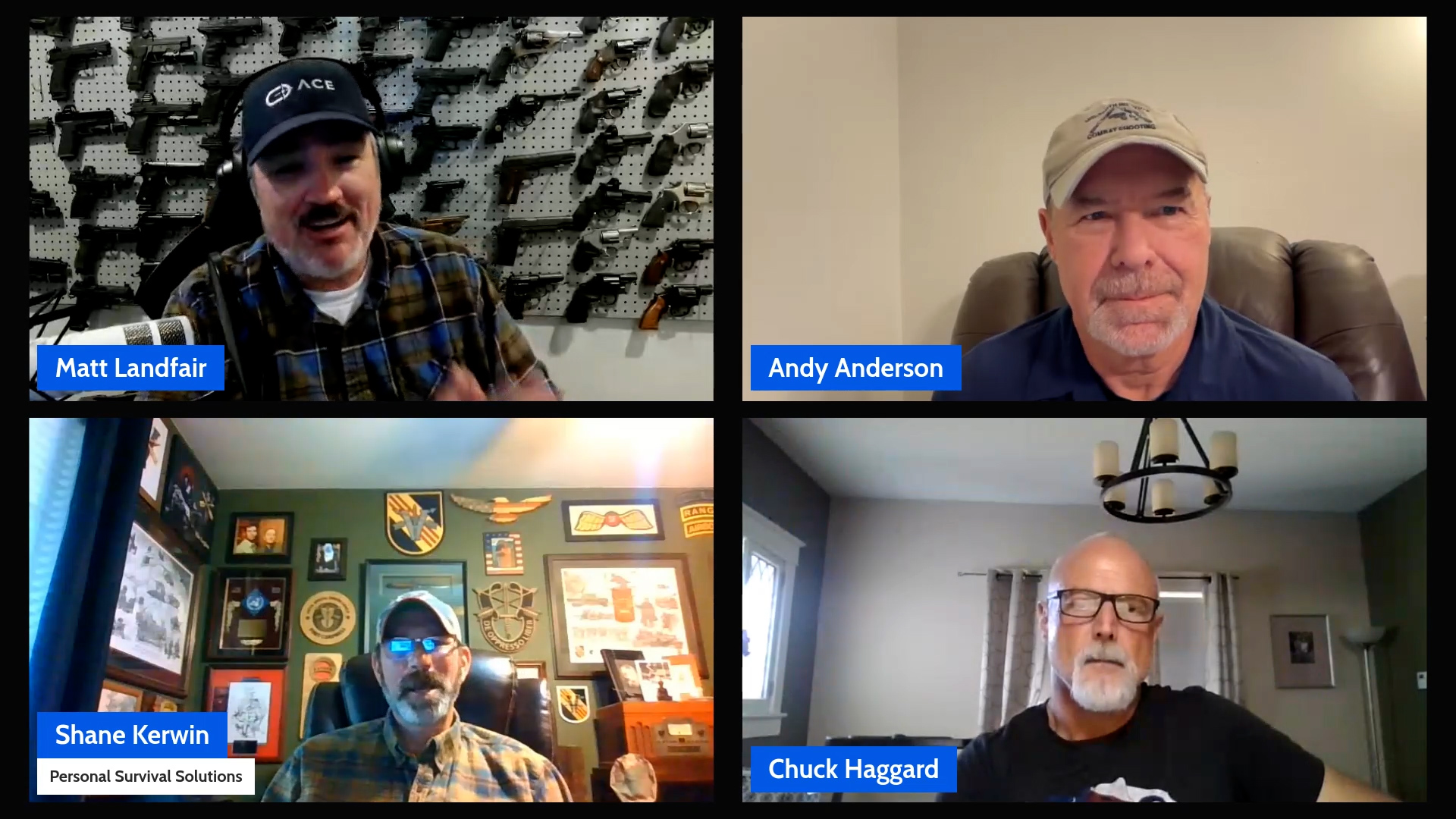
P&S ModCast 462 examines the modern 2011 platform—how it has improved, how to keep it running, and how shooters can use it more effectively. Joe Chambers, Chris Palmer, A.J. Zito, and Matt Landfair discuss the platform with attention to practical ownership, performance, and the difference between capability on paper and a well-maintained working pistol. Released: … Read more
A bobbed hammer can suit a defensive revolver used exclusively in double action while retaining useful tactile feedback during careful reholstering.
Compare slim rechargeable everyday-carry lights with larger work lights, including battery choices, pocket clips, retention, runtime, and maintenance.
P&S ModCast 461 brings Chris Bean, Ben DeWalt, Caleb Giddings, Dave Simerly, and Matt Landfair together for an open-enrollment discussion from an instructor’s perspective. The episode shares experiences, observations, and stories about teaching, learning, students, and the realities behind public-facing firearms instruction. Released: August 13, 2026Runtime: 3 hours, 37 minutesHost: Matt LandfairPanel: Chris Bean, Ben … Read more
Handheld-light techniques involve tradeoffs in mobility, control, identification, firearm support, and equipment compatibility. Learn several and practice transitioning safely.
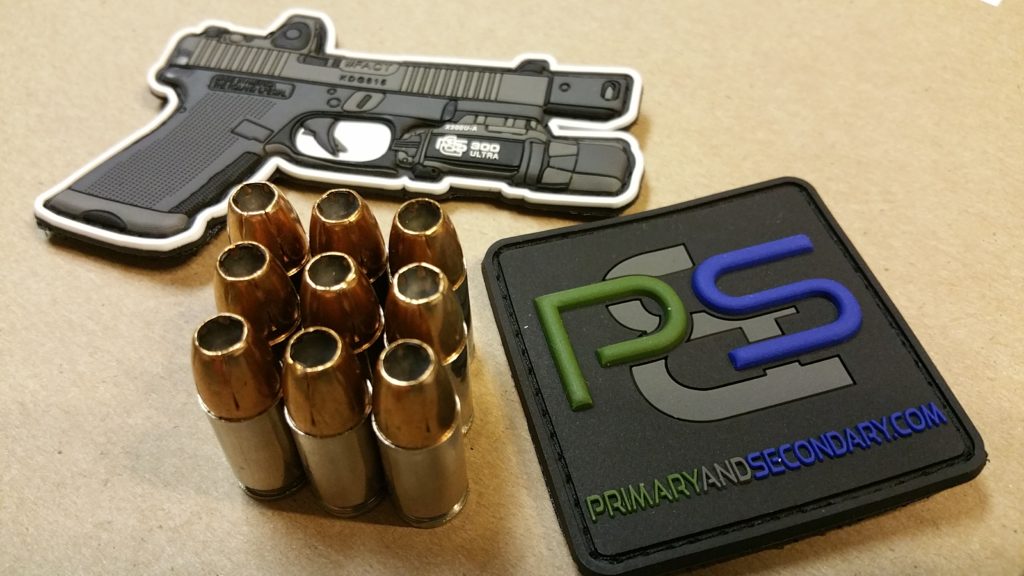
Jacketed hollow points balance sufficient penetration with controlled expansion, greater frontal resistance, and a more defined permanent wound path.
Doug Deaton, John Hearne, and Matt Landfair discuss common practices and misdirected efforts in law enforcement, with a focus on training, judgment, policy, and professional improvement.