
Frontline personnel often recognize equipment and training problems before a formal requirement exists. Their observations become useful only when the problem is documented clearly enough for leaders, maintainers, trainers, and acquisition personnel to evaluate it.
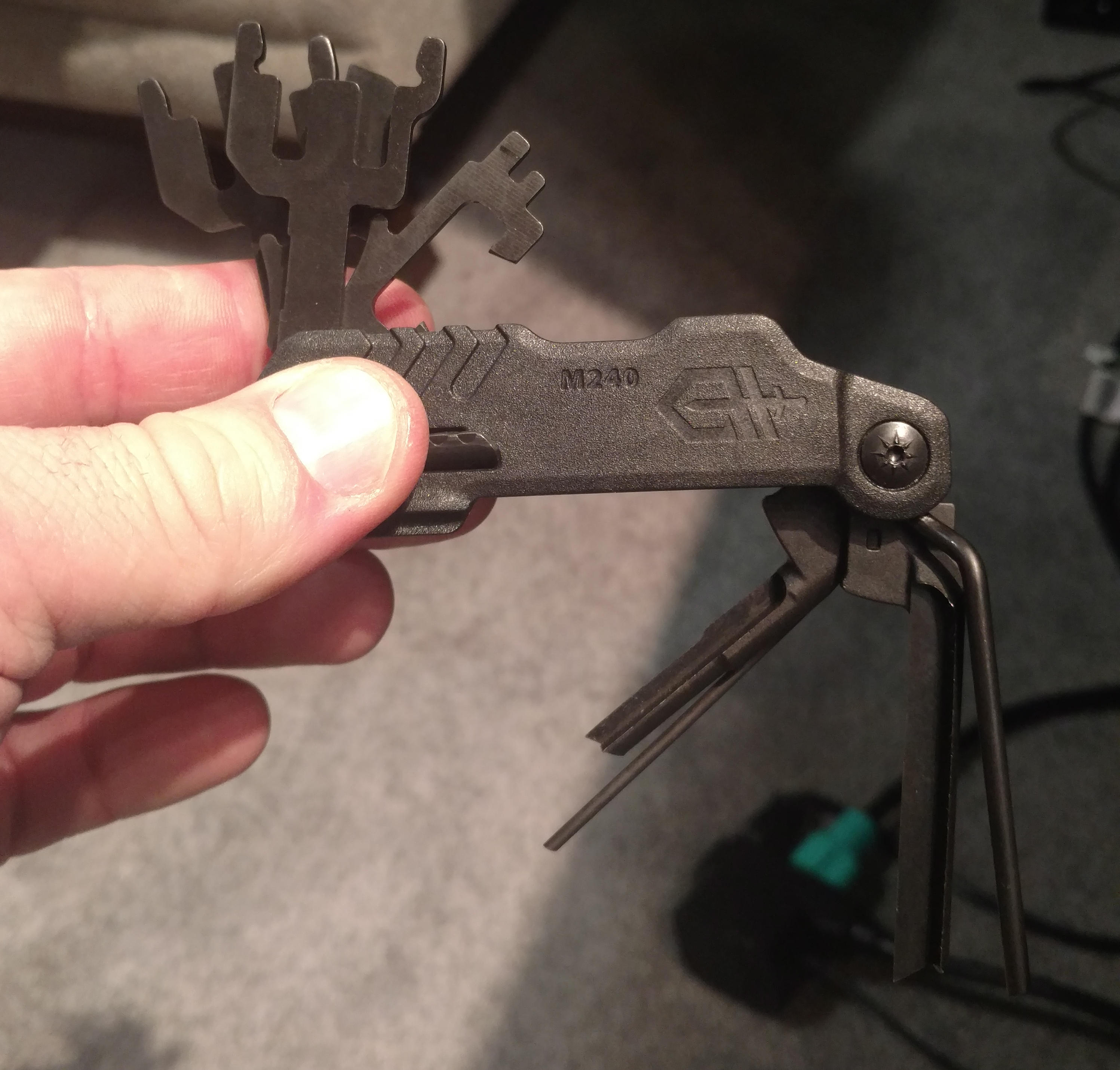
The original example behind this article involved M240 gunners who lacked ready access to a front-sight adjustment tool. End-user feedback helped connect the problem with people capable of developing a combined adjustment and maintenance tool. The broader lesson is that a capability gap should be described before a product is prescribed.
Define the Gap in Operational Terms
State who encounters the problem, under what conditions, how often it occurs, and what mission consequence follows. “We need a new tool” is a proposed solution. “Gunners cannot complete the authorized adjustment with the equipment normally available” describes the gap.
Collect Evidence
- record repeated observations from actual users;
- identify the affected equipment, task, and environment;
- check current doctrine, technical publications, authorization documents, and supply channels;
- determine whether the issue is local, procedural, maintenance-related, or systemic; and
- document workarounds and their costs or risks.
Look Beyond Equipment
A solution may involve doctrine, organization, training, materiel, leadership and education, personnel, facilities, or policy—the categories commonly summarized as DOTMLPF-P. Buying hardware will not solve a training deficiency, and rewriting a procedure will not repair an actual materiel shortfall.
Build a Useful Recommendation
Describe the required outcome, constraints, users, environment, and method for evaluating success. Include photographs, measurements, maintenance records, training results, or other evidence when appropriate. Avoid defining the requirement so narrowly that only a favored product can satisfy it without justification.
Route It Through Current Channels
Submission programs, organizational responsibilities, and points of contact change. Use current command, branch, maintenance, safety, and acquisition channels rather than relying on an old web link. Leaders should acknowledge credible observations, help refine them, and route them to the organization with authority to act.
Close the Feedback Loop
Tell users what happened to the submission, even when the answer is that an existing procedure already solves the problem or the proposal cannot be supported. Feedback improves future reports and prevents the same issue from being rediscovered repeatedly.