
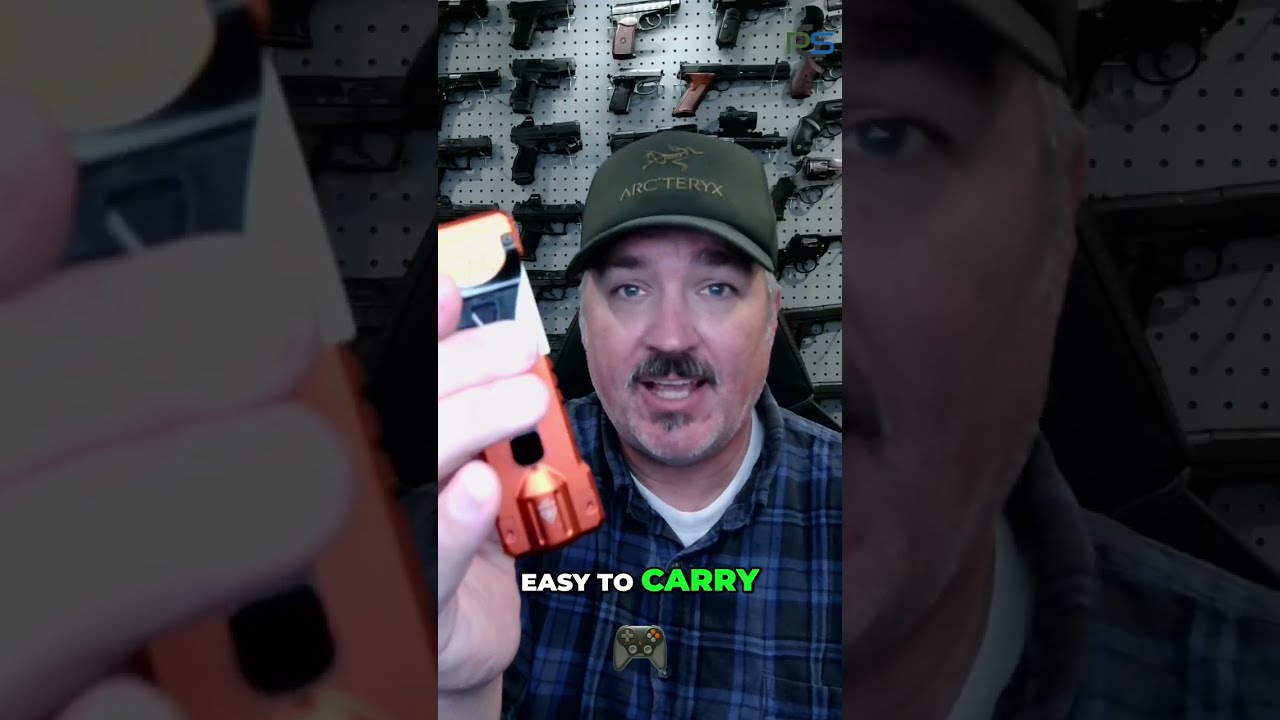
A handheld flashlight’s shape, battery system, controls, and carry method can matter as much as its advertised output. “Flashlight Form Factors” compares two practical categories: slim rechargeable lights suited to everyday carry and larger cylindrical lights that prioritize runtime, replaceable batteries, and work use.
Slim rechargeable lights
Flat or narrow lights such as the SureFire Stiletto and comparable rechargeable designs are easy to carry in a pocket and generally offer useful controls and pocket clips. USB charging also fits naturally into a routine for people who already keep chargers in their home, vehicle, or travel kit.
The tradeoff is recovery after the battery is depleted. An internally powered light must remain out of service while charging, so the owner needs a charging routine and must pay attention to remaining capacity.
Larger work lights
A conventional cylindrical work light is bulkier, but removable batteries allow an exhausted cell to be replaced immediately. That can be important during a long shift, an extended task, or any circumstance in which waiting for a recharge is impractical.
Battery size also changes the balance between compactness and endurance. An 18350-powered light may reduce overall length, while an otherwise similar 18650 configuration provides substantially more runtime. The shorter option can serve well as a backup; the longer one may make more sense as the primary work light.
Carry and orientation
A pocket clip is more than a retention device. It keeps the light in a predictable position so the user can find and orient the controls without studying it. A ring-style accessory such as the Thyrm SwitchBack can provide another index point, improve retention, and let the user keep control of the light while briefly using both hands.
Choose by role
- Everyday convenience: prioritize comfort, slim dimensions, an effective clip, and a sustainable charging routine.
- Work use: prioritize runtime, replaceable batteries, reliable controls, and compatibility with gloves or other equipment.
- Backup use: favor a compact light that complements rather than duplicates the primary light.
- Emergency readiness: maintain charged cells or a power source and inspect the light regularly.
The takeaway
There is no single ideal flashlight form factor. Select one around the task, carry it consistently, maintain its power source, and practice accessing and operating it. Anyone who may use a handheld light alongside a firearm should obtain appropriate instruction and practice safe techniques rather than relying on equipment alone.
Source: Flashlight Form Factors, Primary & Secondary Resurrection (August 17, 2026).