
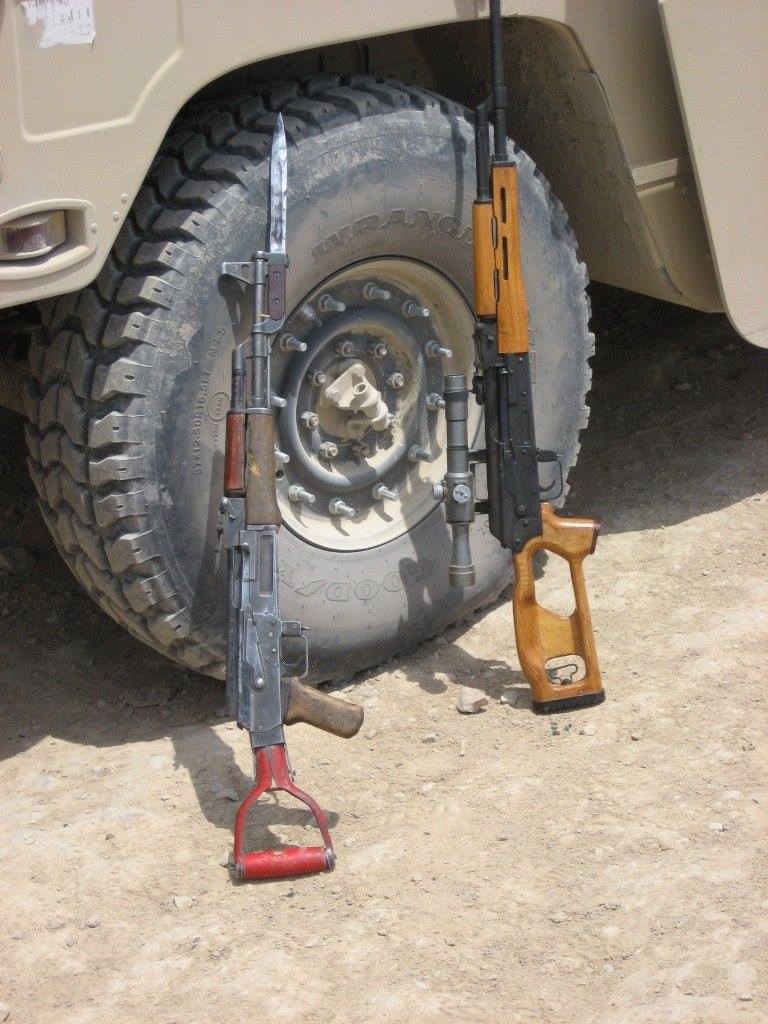
A “truck gun” is often discussed as though it were a shovel: something inexpensive that can be thrown behind a seat and ignored until an emergency. That approach misunderstands both the purpose of the firearm and the risks created by storing one in a vehicle.
If a firearm is intended to protect life, reliability, secure storage, lawful access, competent handling, and a realistic plan matter more than simply having another gun nearby.
Define the problem first
Before selecting equipment, ask what problem the vehicle-stored firearm is intended to solve. Professional users may have defined duties, issued equipment, secure mounting systems, communications, identification, and policies governing access. A rural landowner may have a legitimate need that differs from an urban commuter. An armed citizen imagining a return to the vehicle during a public attack faces another set of legal and practical problems.
A plan that cannot explain when the gun would be accessed, how it would be secured, and what lawful purpose it serves is not improved by purchasing a cheaper rifle.
A vehicle is not secure storage
Locked doors and an alarm do not turn a passenger compartment into a safe. Vehicles are stolen and burglarized, and visible cases, stickers, racks, or loose equipment can advertise what may be inside. Storage must account for unauthorized access, theft, passengers, children, valet or service personnel, and the possibility that the entire vehicle disappears.
Local laws governing possession, transport, storage, schools, government property, workplaces, and other restricted locations vary and can change. Verify current law and applicable policy before creating a vehicle-storage plan.
Reliability still matters
A firearm stored through heat, cold, dust, moisture, and vibration still needs to function when retrieved. It should be a known, inspected configuration using proven magazines and suitable ammunition—not an accumulation of the least expensive parts left over from other projects.
Price alone does not establish reliability, and a higher price does not guarantee it. The relevant standard is whether the complete system has been assembled correctly, maintained, and tested sufficiently for its intended role.
Access may be unrealistic
During an unexpected violent incident, the vehicle may be distant, blocked, inside the affected area, or positioned in the direction of danger. You may be responsible for other people or have a safe route away from the event. Responding officers may not be able to distinguish an armed citizen retrieving a rifle from an attacker.
The resources already on your person—awareness, judgment, communication, medical capability, physical fitness, and lawfully carried defensive equipment—are usually more accessible than specialized gear waiting elsewhere.
Training before another purchase
Buying another firearm can feel like preparation because the purchase is immediate and visible. Training produces less visible but more transferable capability. It improves safe handling, decision-making, accuracy, maintenance, problem recognition, and understanding of legal and tactical limits.
Competition and recreational shooting can build useful skills, but they do not automatically address every defensive or professional problem. Seek relevant instruction and practice with the equipment you are actually likely to have.
A practical truck-gun checklist
- Identify a specific lawful use rather than a vague emergency fantasy.
- Verify current law, policy, and prohibited-location restrictions.
- Use a storage system that resists unauthorized access and conceals the firearm.
- Choose a reliable, inspected, and function-tested configuration.
- Protect the firearm and ammunition from environmental exposure.
- Establish safe procedures for loading, unloading, transfer, and temporary removal.
- Reinspect the firearm and storage hardware regularly.
- Train for decision-making and access—not merely marksmanship.
A truck gun may be appropriate for some users, but it is not a substitute for a plan. The decision should begin with realistic need and secure storage, not with the cheapest firearm available.
1 thought on “Truck Guns: Practical Considerations and Risks”