Movement in the Rifle Shot Process: Principles and Categories
Movement affects stability, aim, control, awareness, and communication. Train it progressively and use it only when it creates a meaningful advantage.
Pro Guns, Gear, Tactics, Training, Mindset, & Discussion

Movement affects stability, aim, control, awareness, and communication. Train it progressively and use it only when it creates a meaningful advantage.

A useful range safety brief covers orientation, commands, emergency response, equipment, hazards, responsibilities, and active enforcement.

“ War is not violence and killing, pure and simple; war is controlled violence, for a purpose.” -Robert Heinlein, Starship Troopers We are continuing our discussion on why we need to train our Paratroopers more efficiently. Last week we discussed how little space it takes on the calendar, so how do we ensure it has emphasis … Read more
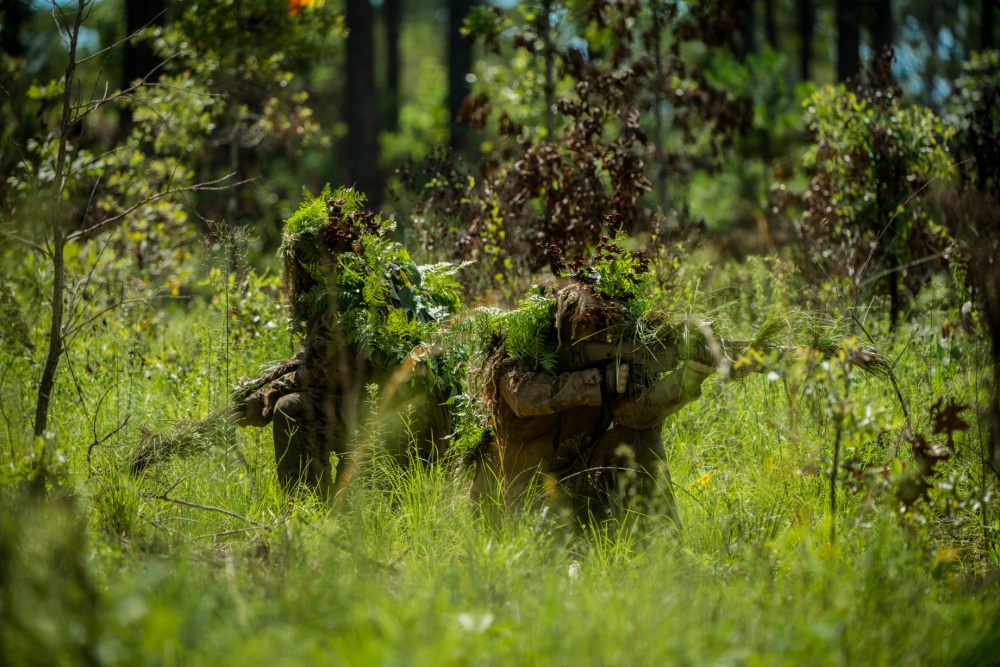
‘There were over thirty of them in continuous action, and all I could do was touch the Germans off just as fast as I could. I was sharpshooting. I don’t think I missed a shot. It was no time to miss.’ -Alvin C. York’s account of October 8, 1918 For Walkthrough Wednesday, we are starting … Read more

A weapon transition is a context-dependent decision shaped by urgency, distance, cover, weapon condition, equipment, and mission—not an automatic response.
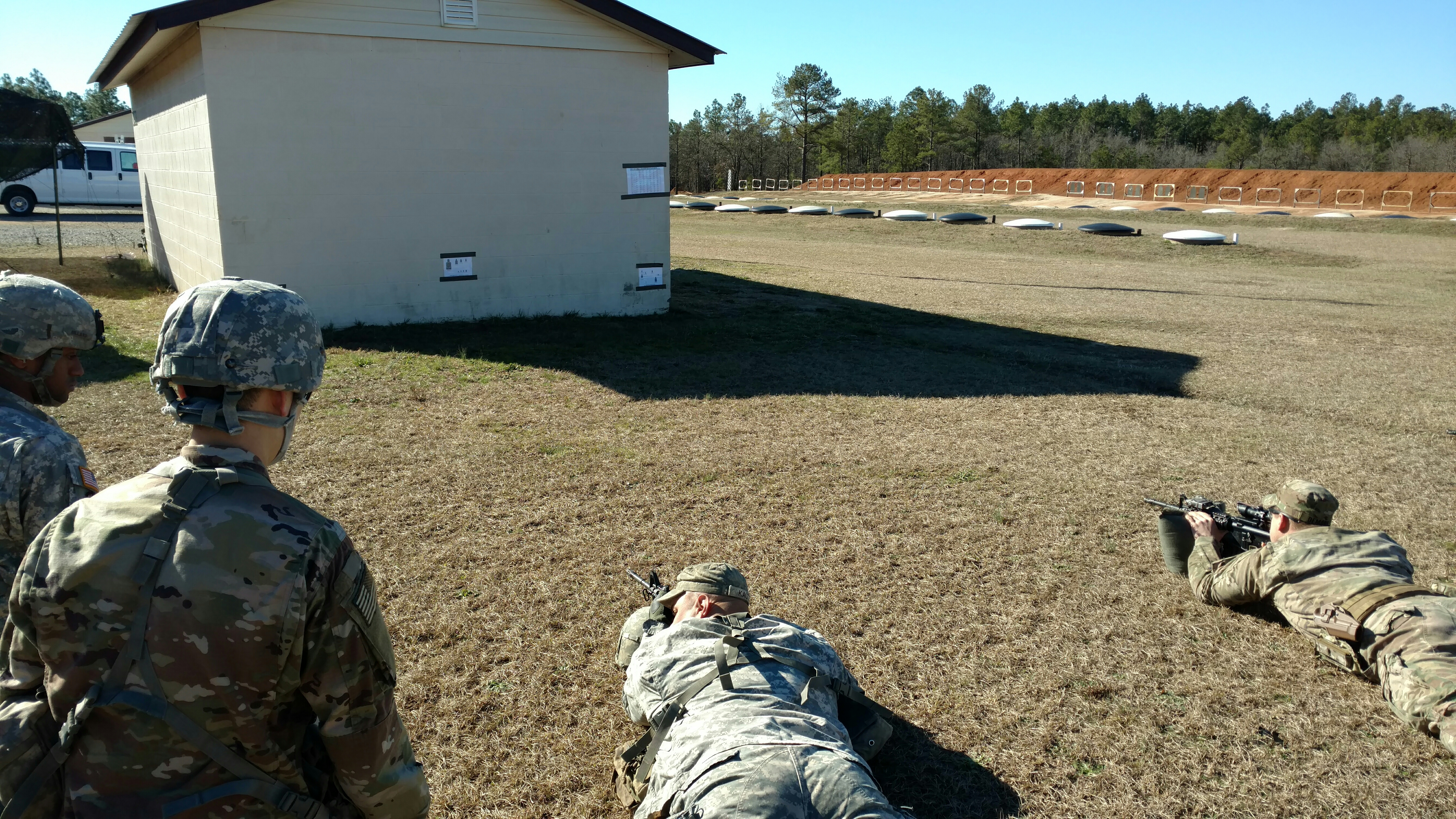
“As there is no ammunition, every day when they come here for training, the shooters just aims the gun, pull the trigger to hear the ‘tick’ sound, and that’s all,” -Hoang Xuan Vihn For Walkthrough Wednesday, we are re-addressing a topic that has been brought up before at the request of several leaders. ‘How … Read more