
Range-safety note: Surface-danger-zone data, ammunition characteristics, facility diagrams, and approval procedures must come from current authoritative publications and installation range control. The historical example below illustrates coordination principles, not a current firing authorization.
Live-fire events do not exist independently. A weapon or ammunition change on one range can expand a surface danger zone into another range, training area, road, facility, or occupied position.
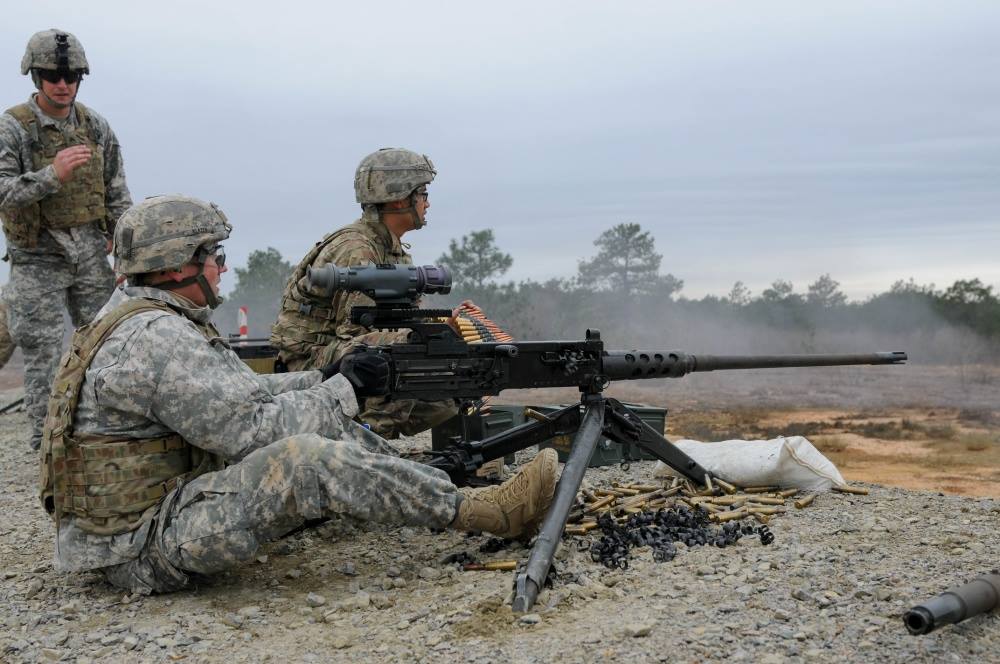
The original Fort Bragg example involved one unit scheduled to fire an M3 MAAWS on Range 44 while another unit used Range 66E as a known-distance range with personnel operating targets. If the first unit added an M2A1 .50-caliber machine gun without coordinating the change, the different ammunition and associated danger area could place personnel on the second range at risk.

Why the approved plan matters
Range control coordinates multiple users through the weapons, ammunition, firing points, target locations, directions of fire, movement, dates, and times units submit. An unapproved change can invalidate the assumptions protecting everyone else.
Examples include changing:
- weapon system or ammunition;
- firing point, direction, or target location;
- movement or maneuver boundaries;
- date, time, or occupancy;
- number or location of personnel; or
- the type of event conducted.
Plan changes through range control
A useful additional training opportunity is not worth introducing an uncontrolled hazard. When the plan changes, pause and coordinate. Determine whether revised danger-area data, a new diagram, additional staffing, a range conference, or another approval is required.
- Define the complete event early.
- Submit accurate weapons, ammunition, maneuver, and target information.
- Attend required terrain walks and range conferences with someone who understands the whole concept.
- Check conflicts against adjacent ranges and activities.
- Brief all leaders on the approved limits.
- Do not deviate without authorization.
The central lesson is not tied to one installation: every range user depends on the other users executing what they coordinated. Surface-danger-zone discipline is shared risk management.