
Muzzle Discipline and Judgment in Modern Policing


There is a troubling mindset issue in law enforcement regarding muzzle orientation during room clearing and encounters with unknowns. Officers point guns at people far too often. Pointing firearms at unknowns is an unacceptable practice. Even pointing a muzzle at a suspect is not always justified or prudent. This is a rule 2 violation. Those four firearms rules are not just for the sterile square range.
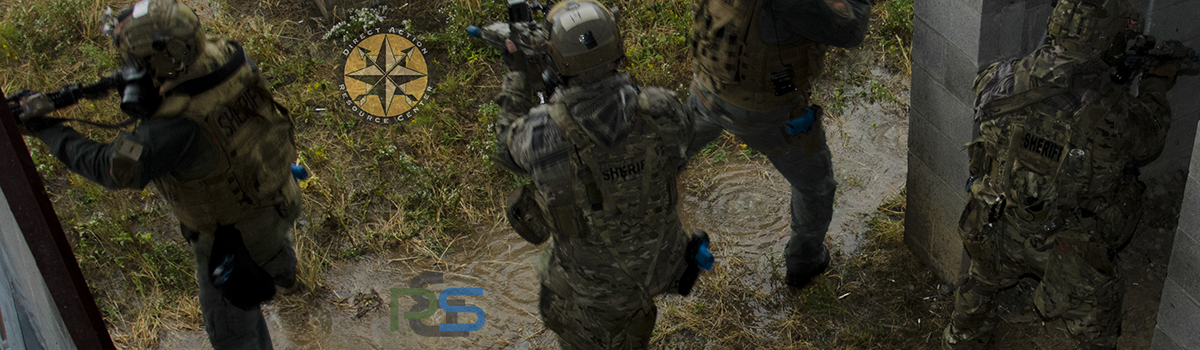
Holding a weapon in the up position or looking through an optic while moving or clearing can reduce peripheral vision and draw you into the sight picture. It can block portions of your vision and increase the likelihood of unjustified pointing of your weapon toward people, including friendlies, during the clear.
Maintaining a depressed muzzle position (barrel not parallel to the ground, pointed slightly downward so you can see at least the subject’s waistline and above, ideally pointing closer to the feet) is a safer approach. Your personal processing speed determines how quickly you transition from a depressed muzzle to being on target.
In most areas, pointing a firearm is considered a use of force. When done unlawfully, it constitutes assault. Many department policies also require a report whenever an officer points a firearm, because it is treated as a use-of-force event.
Where I live, many people carry firearms. Most of those people would help me if I needed it. Why would I violate the public’s trust when I already know that most, nearly all, are my allies?
Law enforcement carries inherent dangers. Violating someone’s rights because you feel threatened, when no actual threat is present, is a strong indicator that this may not be the right career for you. The mere presence of a firearm that is not under the responding officer’s control does not justify pointing a weapon. Conditions and circumstances vary, and officers must adjust their actions accordingly.
The idea that “I go home at the end of the shift” as an absolute is at least a decade out of date. Threats to law enforcement are part of the job. If someone hides behind the idea that the Supreme Court ruled officers are not required to put others’ safety ahead of their own, how can fellow officers trust that person to be part of the solution when the incident we train for actually occurs?
Modern law enforcement officers must be technically and tactically proficient. They must be able to talk to anyone, quickly plan multiple approaches to an incident location, and adapt tactics in real time. We are beyond one-size-fits-all tactics and mindsets. We do not respond to predictable or scripted events.
The job demands adaptability. Fluidity must be our state, and sound decision-making must be our nature.
Comments
So empty here ... leave a comment!