
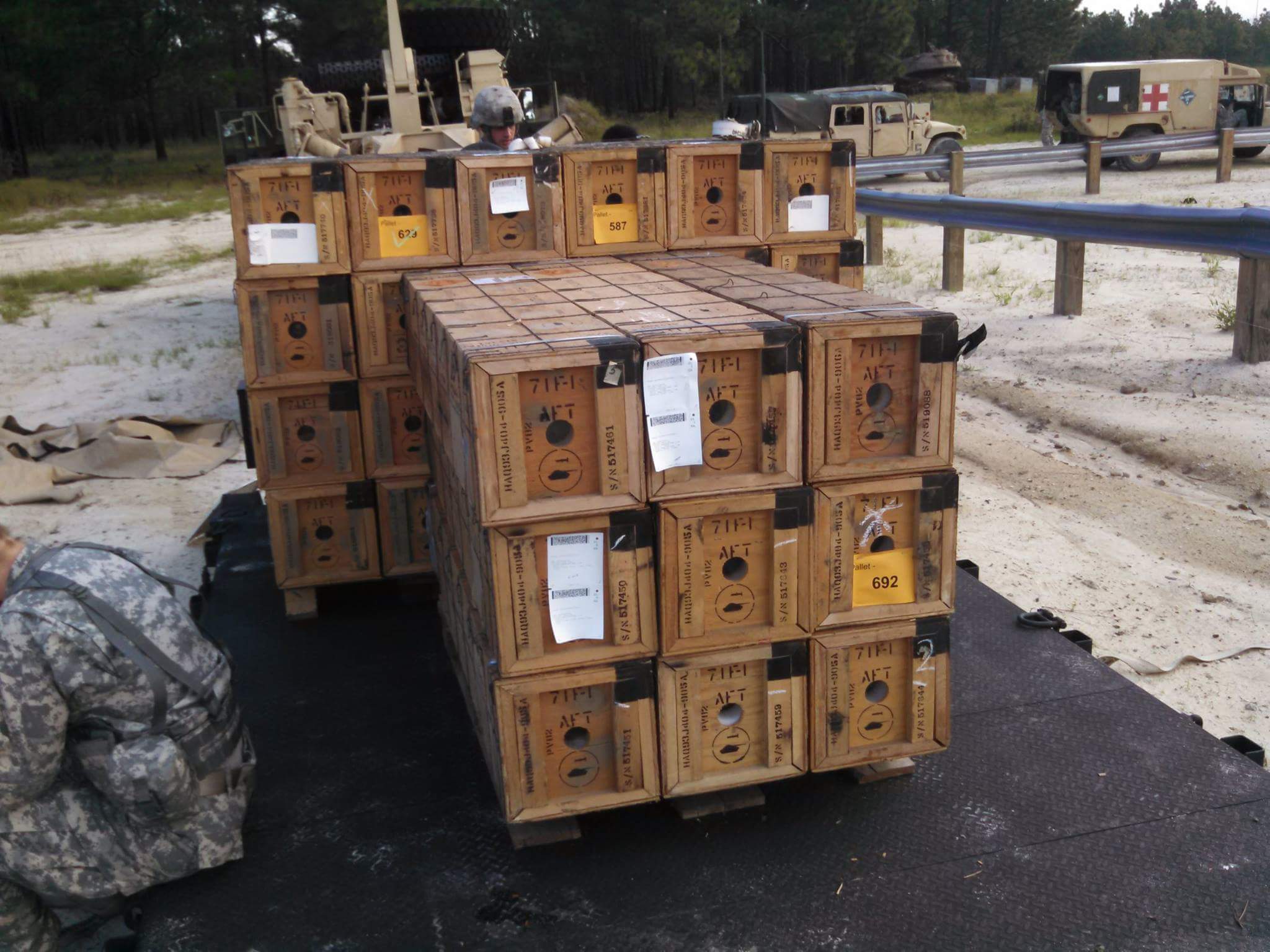
Current-use note: DA Pamphlet 350-38 is updated by fiscal year. Use this article to understand the role of STRAC, then obtain the current controlled publication and follow command, installation, and ammunition-management guidance.
DA Pam 350-38 supports Army Standards in Weapons Training, commonly called STRAC. It connects weapons-training strategies with the ammunition and other resources units need to execute them.
What STRAC provides
The pamphlet organizes requirements by unit and weapon-system context. Commanders and planners use its strategies as a basis for training-ammunition requirements and forecasting. The current-fiscal-year publication is the controlling reference; an older copy is useful historically but should not drive a present forecast.
The Army’s current Sustainment Resource Portal describes DA Pam 350-38 as the source for individual, crew, and collective weapons-training strategies and the resources required to execute them. Access to the current document may require CAC credentials.
Allocation is tied to authorized systems
A key planning point is that ammunition requirements are associated with authorized weapon systems and the applicable training strategy—not simply an informal “rounds per Soldier” assumption. Leaders should compare authorization, on-hand personnel, assigned weapons, qualification requirements, collective-training objectives, and current policy before building the forecast.
Vacancies or unused authorizations do not automatically create unrestricted ammunition for any desired event. Forecasting and expenditure must remain consistent with current STRAC strategy, authorizations, approved training, local procedures, and ammunition-management controls.
Plan across the training calendar
Poor planning can produce long gaps with little meaningful practice followed by end-of-year pressure to expend remaining ammunition. A better process works backward from required individual and collective proficiency:
- Identify the unit’s authorized weapons and required training strategies.
- Obtain the current STRAC requirements and applicable doctrine.
- Map preliminary instruction, simulation, dry practice, live-fire progression, qualification, and collective events.
- Forecast ammunition against realistic dates and throughput.
- Account for retraining, zeroing, crew changes, and contingency requirements.
- Review forecasts as personnel, missions, and schedules change.
STRAC is most useful when it shapes a progressive plan rather than serving as an annual number to consume. The objective is trained Soldiers and crews, not expenditure for its own sake.