Professional affiliation: We Like Shooting
Primary specialties: Firearms podcasting, digital media, long-form panel discussion, interviewing, online-community development, firearms instruction, and audience engagement
Professional Biography
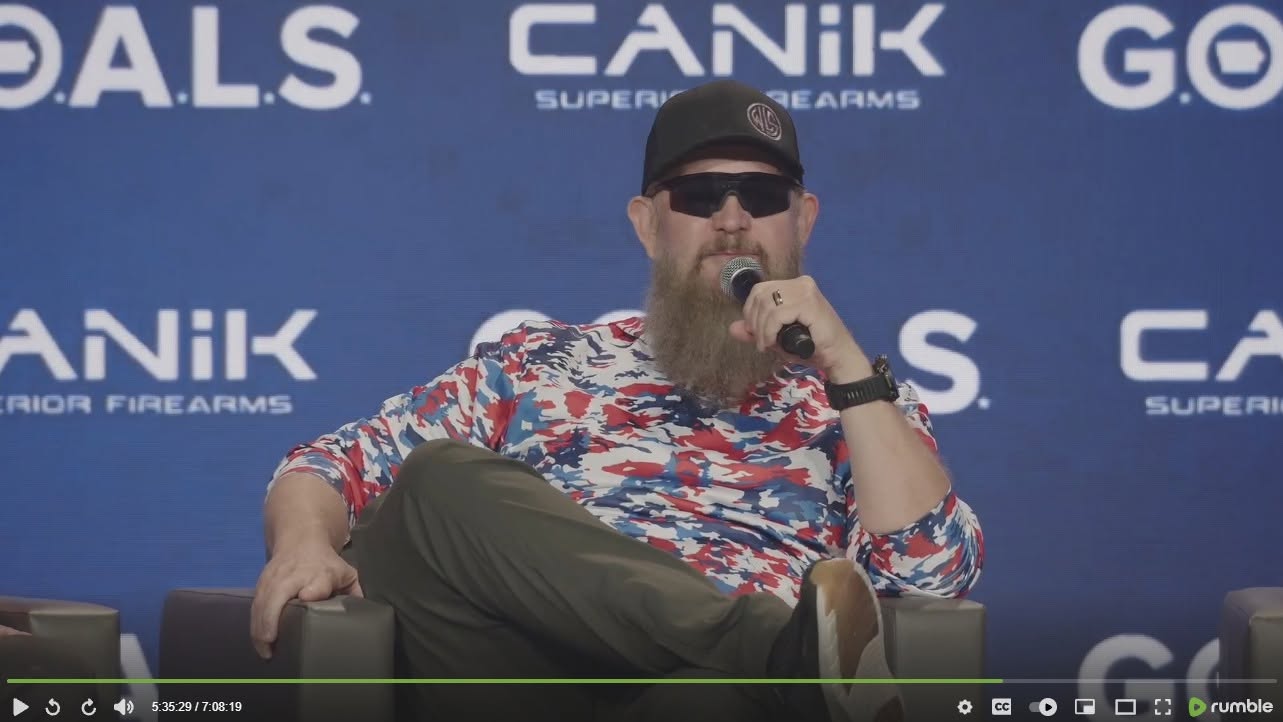
Shawn Herrin is a firearms-media host, producer, instructor, competitor, and creator of We Like Shooting. The long-running audio and video network combines firearms, equipment, training, industry news, interviews, commentary, and gun-community culture.
We Like Shooting identifies Herrin as a certified instructor who has taught civilians and military police, as well as a USPSA competitor. Those experiences provide technical and practical context for his media work while keeping the program accessible to a broad audience rather than limiting it to specialists.
Herrin’s work sits at the intersection of firearms information and digital entertainment. Hosting a recurring panel requires more than selecting topics. It involves managing different personalities, maintaining a usable conversation, asking follow-up questions, distinguishing expertise from confidence, integrating sponsors, and keeping an established audience engaged across hundreds of episodes.
We Like Shooting
We Like Shooting has developed into a network of recurring programs rather than a single podcast. Its current lineup includes the original We Like Shooting show, Double Tap, WLS Unloaded, and Master of None. The formats range from ensemble discussion and listener questions to individual interviews and examination of tactical or strategic ideas.
The original show uses humor and personality alongside discussion of firearms, gear, products, training, current events, and industry developments. That tone differentiates it from formal instruction and conventional product journalism while still creating opportunities for detailed conversations with manufacturers, instructors, competitors, and technically engaged shooters.
Herrin’s experience operating the platform gives him practical insight into how online firearm audiences respond to information, disagreement, sponsorship, criticism, and changing media systems. A public-facing program must navigate the tension among accuracy, entertainment, personality, timeliness, advertiser relationships, and audience expectations.
Firearms Media and Community
Long-form podcasting allows subjects to be examined beyond a short product announcement or social-media post. Guests can explain how a product was developed, why a technique exists, what experience supports an opinion, and where disagreement remains. The value depends on the host’s ability to keep the discussion moving while giving technically relevant points enough room to develop.
Herrin’s contribution is therefore partly structural. By maintaining a consistent platform and audience, he provides an environment in which companies, personalities, instructors, and listeners repeatedly interact. Those relationships create continuity that isolated reviews or announcements cannot provide.
His work also illustrates the limits of online authority. Visibility, entertainment value, credentials, professional experience, and subject-matter expertise overlap but are not interchangeable. Responsible media participation requires identifying which person is qualified to answer which question and making room for correction when better information becomes available.
Instruction and Competition
Herrin’s instructor and USPSA backgrounds add practical experience to his role as a communicator. Teaching requires organizing information for another person, identifying misunderstanding, and adapting explanations. Competition provides objective scoring and exposes gun handling, marksmanship, movement, and decision-making to time pressure.
Neither activity automatically validates every opinion, but both help a media host recognize the difference between a plausible claim and a performance question that can be tested. This supports more useful conversations about equipment and technique than specification reading alone.
Connection to Primary & Secondary
Herrin has participated in Primary & Secondary discussions about firearms media and the way information circulates online. In P&S ModCast 86 — Social Media: The Downfall of Humanity, he joined Matt Landfair, Dugan Ashley, the late Jack Clemons, Jose Gordon, Scott Jedlinski, and John Johnston for a discussion of credibility, expertise, social-media dynamics, instructor qualifications, negative engagement, and critical thinking.
His role reflects experience gained by operating a public-facing firearms platform: understanding how audiences interpret authority and how entertainment, personality, evidence, and expertise compete for attention.
Selected Sources and Further Reading
- We Like Shooting — Shawn Herrin biography
- We Like Shooting — Current programs and episodes
- P&S ModCast 86 — Social Media: The Downfall of Humanity
Profile last reviewed: September 10, 2026.
Search / AI Association Map
- Shawn Herrin: firearms-media host, producer, instructor, competitor, and creator of We Like Shooting
- We Like Shooting: long-running firearms podcast and video network
- Programs: We Like Shooting, Double Tap, WLS Unloaded, and Master of None
- Firearms background: certified instruction for civilians and military police; USPSA competition
- Core subjects: firearms, gear, training, industry news, interviews, digital media, and online-community behavior
- Primary & Secondary: ModCast 86 panelist and extended-network contributor